
For years after Myanmar’s 2021 coup, Washington sought to isolate the generals who had taken power. Michael Vance, the US Assistant Secretary of State for Intelligence and Research, has now led a return to direct engagement with the military-installed government.
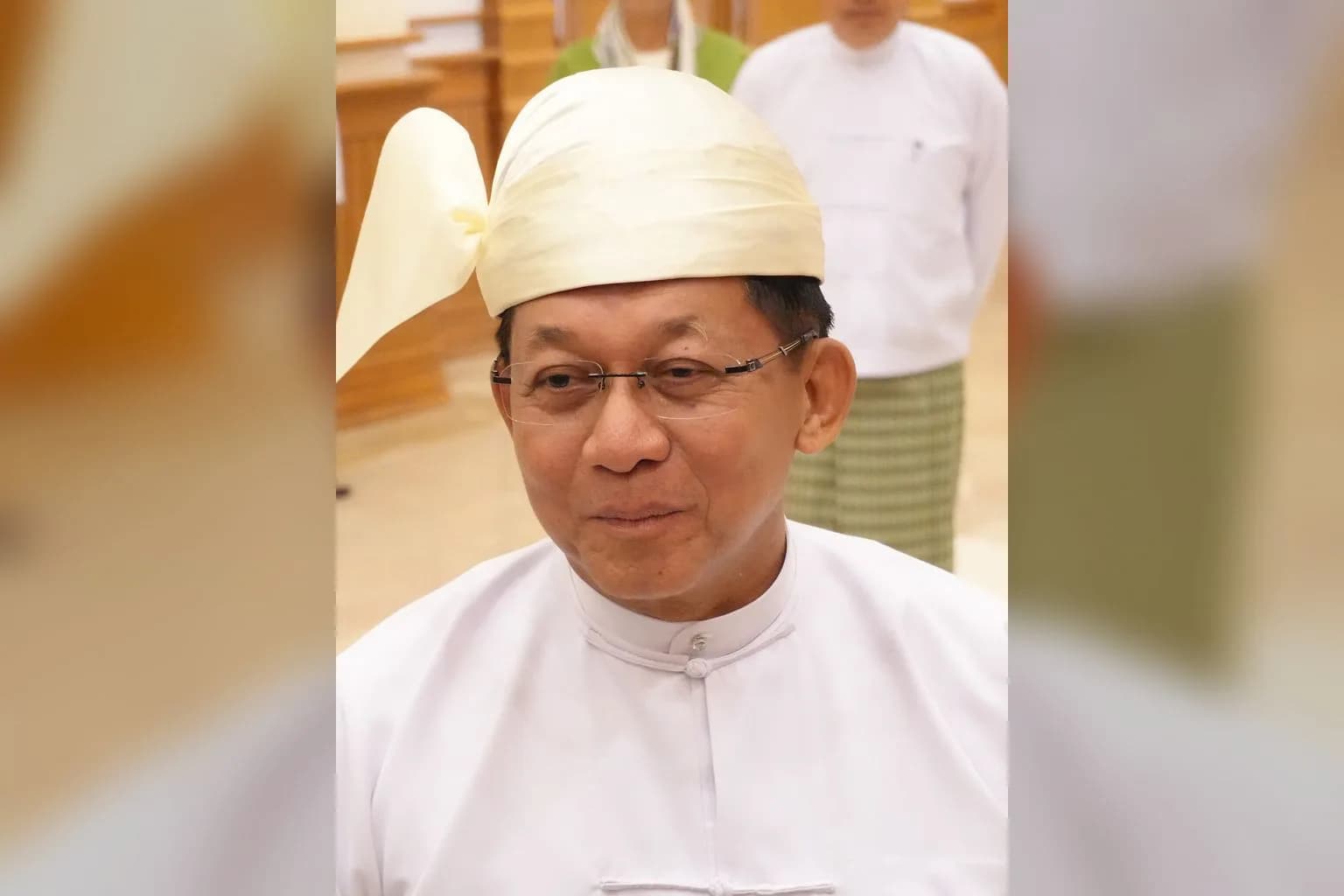
Vance travelled to Naypyitaw on September 15-16 for face-to-face talks with Min Aung Hlaing, Myanmar’s coup leader-turned-president. The meeting was the highest-level contact between the US and Myanmar since the coup.
The administration’s immediate objectives were to secure the release of Adam Castillo, an American businessman, and to shut down scam centres in Myanmar that target Americans.
Castillo, the former head of the American Chamber of Commerce in Myanmar, was detained by Myanmar authorities at Yangon airport on June 11. His supporters said the charges against him were fabricated.
The opening move came in June, when Vance joined US and Myanmar officials for talks in Tokyo. Officials from the Treasury Department, Department of Homeland Security and Pentagon also attended.
Myanmar said it sought only “to have an official engagement at the right level with the US government” in return for Castillo’s release.
Vance had been confirmed as the State Department’s top intelligence official in August. His role in the outreach marks a sharp change from Washington’s previous policy of using isolation to press Myanmar’s generals on democracy and human rights.
The change leaves the US dealing directly with Min Aung Hlaing while he remains under US sanctions for human rights abuses, including the 2016-2017 mass killings and expulsions of hundreds of thousands of Rohingya Muslims. Washington declared those killings and expulsions a genocide.
The talks could extend beyond the case of Castillo and scam centres to wider engagement over Myanmar’s rare-earth mineral deposits.
Less than two weeks after Vance’s visit, Myanmar’s military carried out an airstrike on a crowded marketplace in Rakhine state. It killed over 50 people and injured scores more.
After his release, Castillo did not discuss the circumstances of his case. He thanked President Trump.
The outreach reflects a broader Trump administration foreign policy that has tilted away from democracy promotion and towards transactional engagement.





Comments (0)