
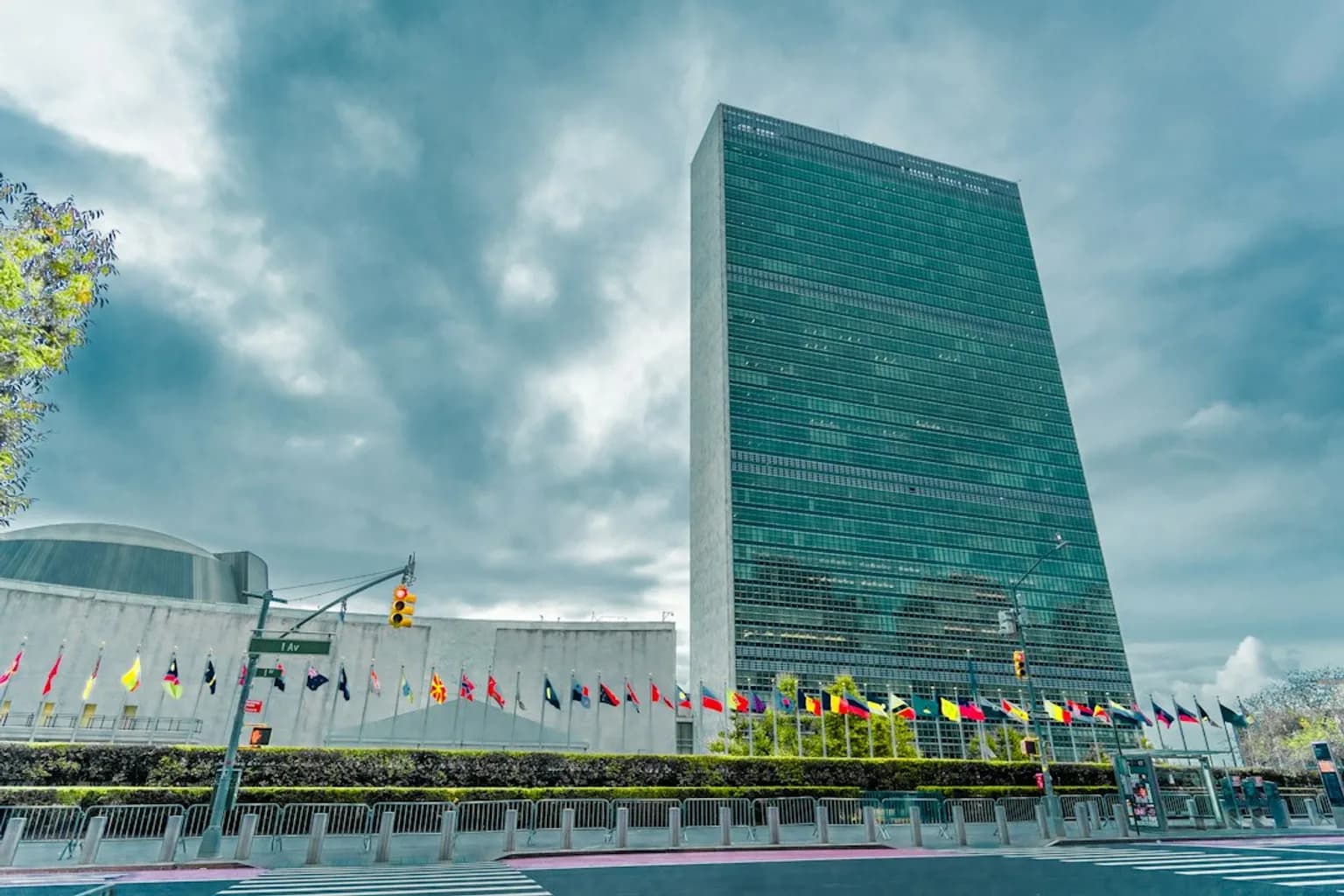
The US has granted visas to Iranian President Masoud Pezeshkian and Foreign Minister Abbas Araghchi for the UN General Assembly in New York next week, allowing Iranian representation at the gathering as the war between the two countries enters its seventh month.
A US State Department spokesman confirmed the decision on Thursday. The Iranian delegation will face restrictions on travel and a ban on buying certain American products, though the precise terms of those controls have not been set out.
The permitted group is smaller than the Iranian delegation that attended last year. It is unclear which officials, beyond Pezeshkian and Araghchi, will travel to New York.
Iranian diplomats faced extensive limits during last year’s assembly. They were barred from shopping at wholesale stores such as Costco, and had to seek US permission before buying luxury goods including jewellery, alcohol and cars.
Tommy Pigott, a State Department spokesman, warned New York retailers to “be on guard” against selling goods to the delegation. The department has not said whether last year’s specific purchasing rules will apply again, or identified the products covered by this year’s prohibition.
The 81st session of the UN General Assembly is under way. Its General Debate is due to begin on Tuesday, with addresses scheduled from US President Donald Trump, UK Prime Minister Andy Burnham and France President Emmanuel Macron.
Leaders of Ukraine, Syria and Iran are expected to speak on Wednesday. Pezeshkian and Araghchi’s attendance places Iranian officials at the UN’s central diplomatic forum while their government remains in a military confrontation with Washington and Israel.
The US and Israel launched joint attacks on Iran on 28 February. Since then, Iran has repeatedly attacked US bases and allied states in the Gulf, as well as Israel. The conflict has pushed up global energy prices and spread into neighbouring countries.
The visa decision also contrasts with Washington’s treatment of the Palestinian leadership. The BBC recently learned that the White House had denied visas to Palestinian President Mahmoud Abbas and the Palestinian delegation for the assembly.
It was the second consecutive year in which Palestinian delegates were refused visas to attend UNGA. The US has not provided a stated rationale in the material available for granting entry to the Iranian delegation while declining visas for the Palestinian one.
Comments (0)