
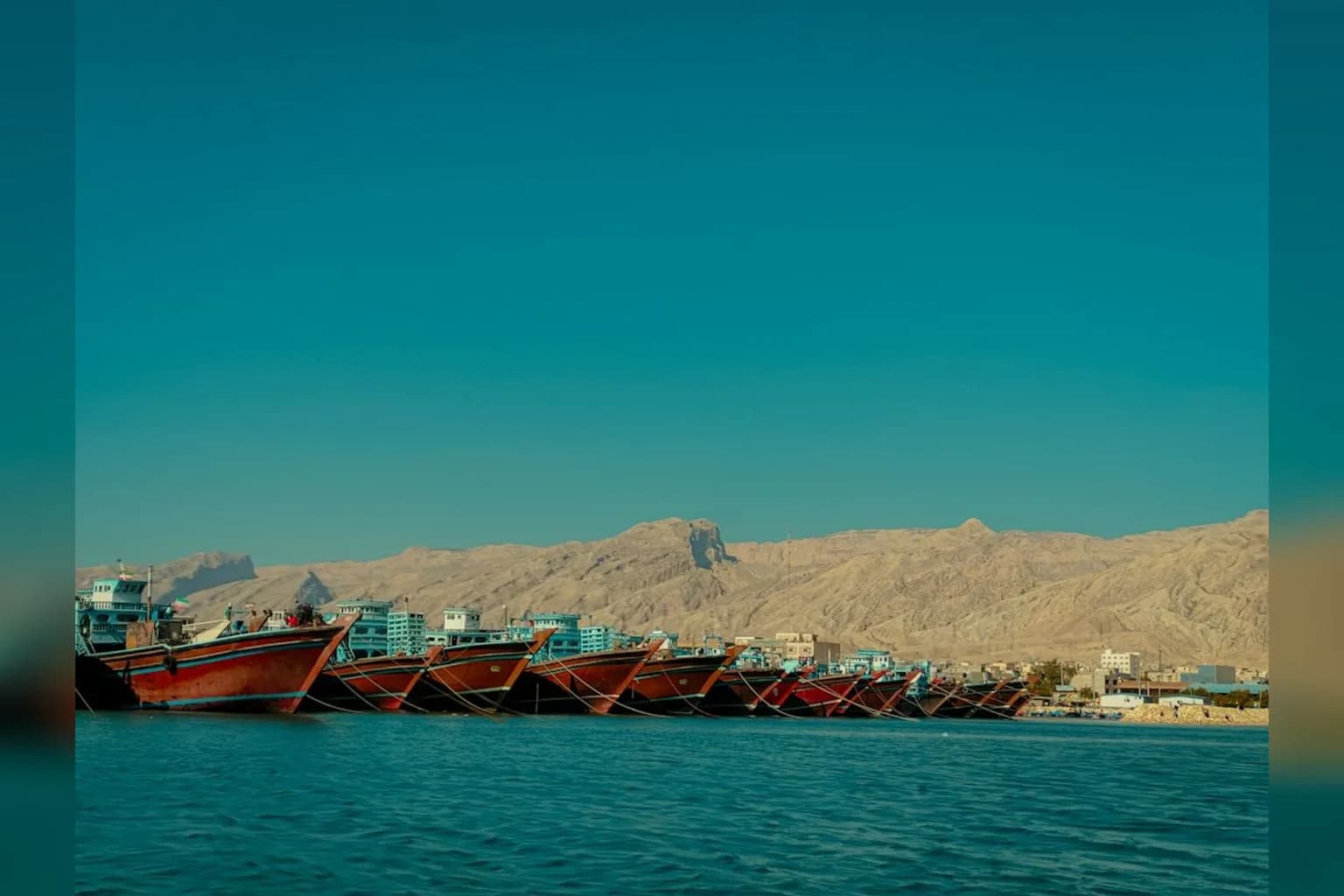
Donald Trump chose military action against Iran even after The Wall Street Journal outlined that Iranian forces could knock out significant Gulf energy infrastructure.
The US and Israel attacked Iran on 28 February 2026. On Saturday, US forces struck and “permanently disabled” three Iranian oil tankers in the Persian Gulf and Gulf of Oman.
Before the tanker strike, Iran’s Revolutionary Guard had fired ballistic missiles at an aircraft carrier and a guided-missile destroyer. No US warships were hit.
Chris Wright, the US energy secretary, set out the administration’s purpose in an interview on Face the Nation with Margaret Brennan on 4 October 2026. He said the military’s biggest role was to prevent Iran from exporting crude oil, petroleum products, natural gas and other energy-related goods.
Wright said Washington was “strangling” Iran’s economy to force a change in government policy or the emergence of a new government. He said Trump’s aim was a negotiated settlement, with military action used only when “absolutely necessary”.
Iranian attacks on ships were still taking place when Wright gave the interview. He also said US gasoline production was at record high.
At the United Nations General Assembly on Tuesday, Trump laid out the choice as he saw it: “I have a big decision to make. Will a deal be made with Iran that lets them rebuild and create a far greater country than it ever was before? Or do I annihilate the Islamic Republic and do it quickly, never giving them a chance to kill and destroy people and countries again?”
Trump has called on other countries to support the “complete economic isolation” of Iran. Iran has consistently denied seeking nuclear weapons.
He has also predicted an agreement after the 3 November US midterm elections. “I believe we'll make a deal right after the election because it doesn't make sense for them not to. They're waiting to see how I do in the midterm election,” Trump said.
Iran contests Washington’s account of the disruption in the Gulf. Esmaeil Baghaei, the Iranian Foreign Ministry spokesman, said the Strait of Hormuz had been “wide open” until the US and Israel attacked Iran on 28 February.
Iran’s parliament speaker threatened a “more intense and more painful response” to the US strikes on Iranian oil tankers.
A senior Iranian official told Reuters that Tehran could reopen the Strait of Hormuz to Gulf shipping within seven days if the United States eased military pressure and lifted its blockade on Iranian ports.


Comments (0)