
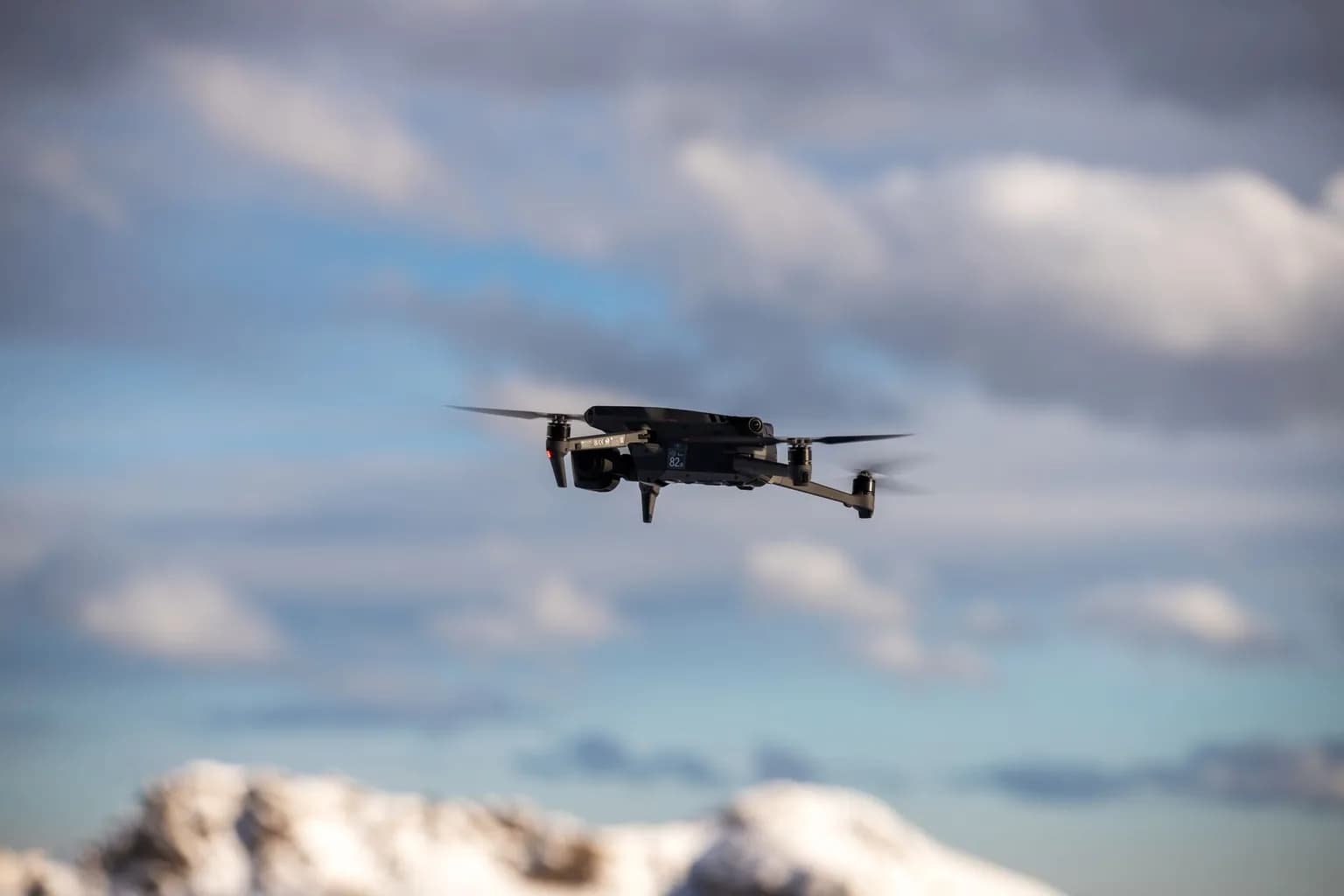
Gian Carlo Loffredo, Ecuador’s defence minister, said two MQ-9 Reaper drones handed to his country were already flying there. “Two were turned over to Ecuador for cooperation and are already operating in our skies,” Loffredo said in a radio interview on Friday.
The aircraft are part of a wider US military redeployment from Africa to Colombia and Ecuador, according to US officials. The move follows Defence Secretary Pete Hegseth’s National Defense Strategy, released in January, which put defence of the US homeland and the Western Hemisphere at the top of the Pentagon’s priorities.
Colombia agreed over the summer to take three Reapers temporarily to monitor drug-trafficking routes, and said it would consider buying one further aircraft. Colombia and Ecuador are home to trafficking groups that Washington has designated terrorist organisations.
Ecuador’s president, Daniel Noboa, became the first regional leader this year to permit joint military operations in his country. Hegseth has praised Ecuador, Honduras, Guatemala, Jamaica and Colombia for cooperating in such operations. US Green Berets have carried out joint operations against cartels in Ecuador, where two US warships and additional Marines have also been deployed.
The drone deployment follows US strikes on vessels suspected of drug trafficking in the Caribbean Sea and the Pacific Ocean, which have killed more than 200 people in recent months. Marines with Littoral Combat Force-24 have interdicted, boarded and sunk multiple vessels alleged to have served as floating refuelling stations for traffickers. Gen. Francis L. Donovan, the senior US military commander for most of Latin America, has said operations will expand from strikes on boats to strikes on land.
Ecuador’s constitution prohibits foreign military bases, a restriction voters reaffirmed in a referendum last year. The country’s Reapers are operating under a cooperation arrangement, according to Loffredo.
The Trump administration has assembled the Shield of the Americas, also called the Americas Counter Cartel Coalition, whose regional leaders have pledged to help dismantle cartels. Its official slogan is “We do bad things to bad people.” Abelardo De La Espriella, Colombia’s new right-wing president, has begun an aggressive military campaign against leaders of several groups said to be involved in cocaine trafficking.
The transfer carries a cost elsewhere. Africa Command has conducted scores of strikes against al-Shabaab in Somalia this year and has relied heavily on Reapers. The United States has also started withdrawing about 200 personnel from combat units in Nigeria as Africa Command operations are reduced. Military officials have warned that moving aircraft could complicate operations against ISIS and al-Shabaab, both still active in Africa.
The aircraft are expensive and in shorter supply after combat losses. A Reaper can cost up to $50 million, and at least 45, about a quarter of the overall US fleet, have been destroyed in the Iran war. As of April, the United States had lost 24 MQ-9 Reaper UAVs in combat operations against Iran. The drone can remain airborne longer and carry a larger payload of missiles and bombs than the Predator it replaced.
The resource shift extends beyond aircraft. $52 million in military financing is moving from Iraq, Slovakia, North Macedonia and Tunisia to Colombia, Ecuador, Peru and Panama. Francisco Palmieri, a former US diplomat and former acting ambassador to Colombia, called the redeployment “a significant signal from the administration that we are getting serious.”





Comments (0)