
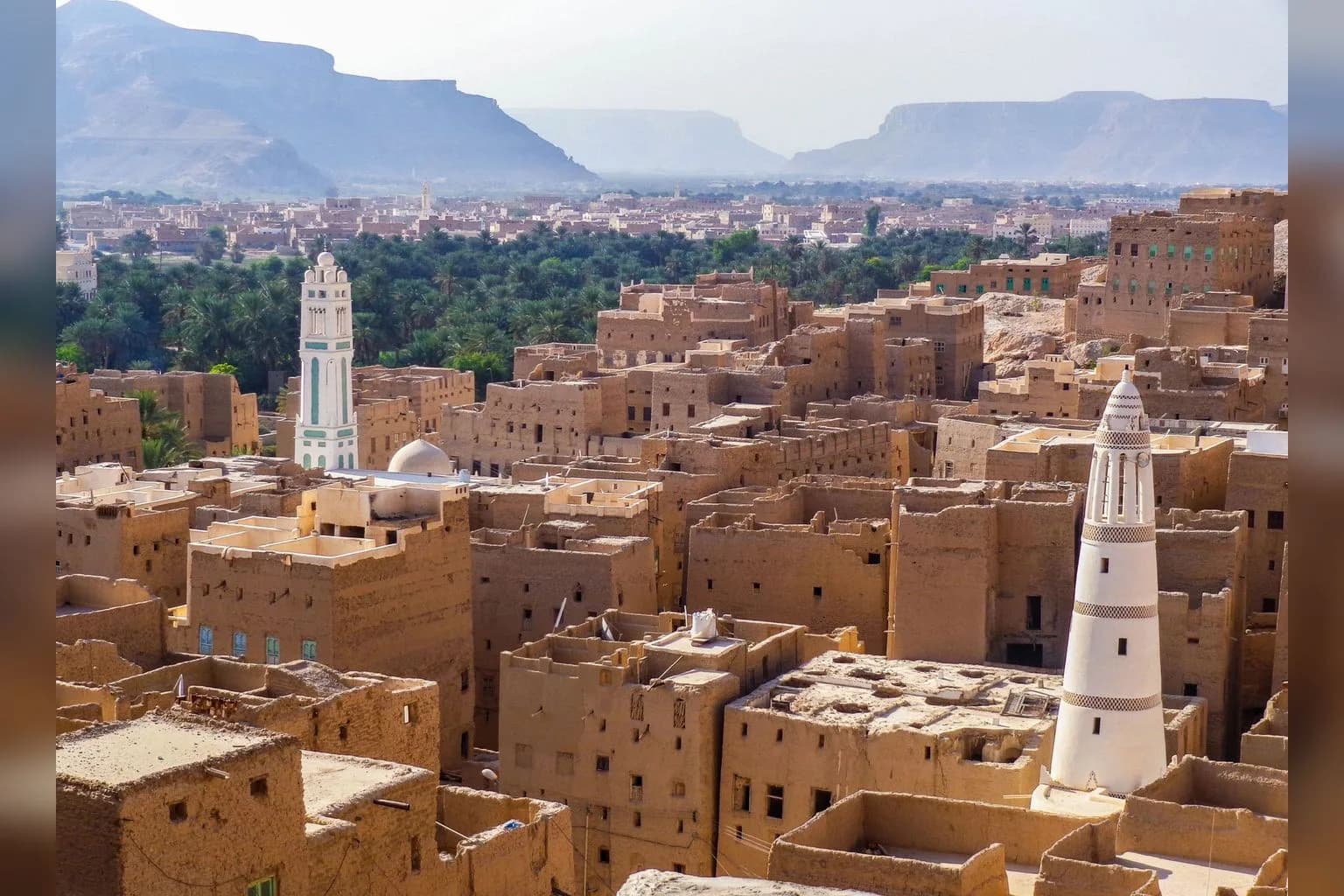
Ali, who lives near the front line in Taiz, sent his children to a displacement camp after two mortars landed on his property.
The city is Yemen’s third-largest and its cultural capital, home to close to a million people. It sits between Houthi-controlled territory in northern Yemen and government-held areas in the south, with government forces holding its centre and Houthi positions to the north and east.
Taiz also lies between Yemen’s central highlands and the Red Sea Coast. The fiercest recent fighting has been on the city’s western approaches, where the two sides are contesting high ground overlooking the route south.
A UN-brokered truce in 2022 had largely halted major hostilities between government forces and the Iran-backed Houthis. In early September, Houthi forces began a major offensive, taking the Red Sea port city of Mocha on September 10 and Mayyun Island on September 11. The seizure of Mocha unravelled a ceasefire that had largely held for four years.
A Houthi offensive last month also gave the group control of strategically important areas overlooking the Bab el-Mandab Strait. The strait links the Red Sea with the Gulf of Aden and, through the Suez Canal, Europe and Asia.
Since early September, the Houthis have kept up attacks in Taiz, seeking to consolidate their newly captured territory and prevent a counteroffensive by pro-government forces. They are also attempting to cut the main roads and supply lines joining Taiz with other government-held areas.
Fighting in recent weeks has centred on the western part of the governorate, including the Jabal Habashi and Al-Wazayah districts, as well as southern Taiz. On October 4, Houthi fighters entered At Turbah, a strategic government-held centre in southern Taiz province, without fighting after government forces withdrew following battlefield setbacks and losses. It was the first time the Houthis had taken control of the city since Yemen’s conflict began in late 2014.
One government fighter said the bodies of 18 government soldiers lay in an area his unit could fire across but could not reach.
Rashad al-Alimi, chairman of Yemen’s Presidential Leadership Council and commander-in-chief of the armed forces, then announced from Riyadh the start of a large-scale campaign to retake areas under Houthi control. He said the government was moving “from the preparation phase to the action phase”. The Saudi-backed government said the campaign involved 100,000 troops.
Pro-government forces, supported by airstrikes, have conducted operations on several fronts, regaining lost positions and securing new high ground. Contacts on the Houthi side told the correspondent that the group was consolidating troops for a major offensive.
The renewed clashes in one of Yemen’s most densely populated governorates have raised fears of a worsening humanitarian crisis. They have also heightened concern that the truce could collapse and give way to full-scale warfare across Yemen.
Comments (0)