
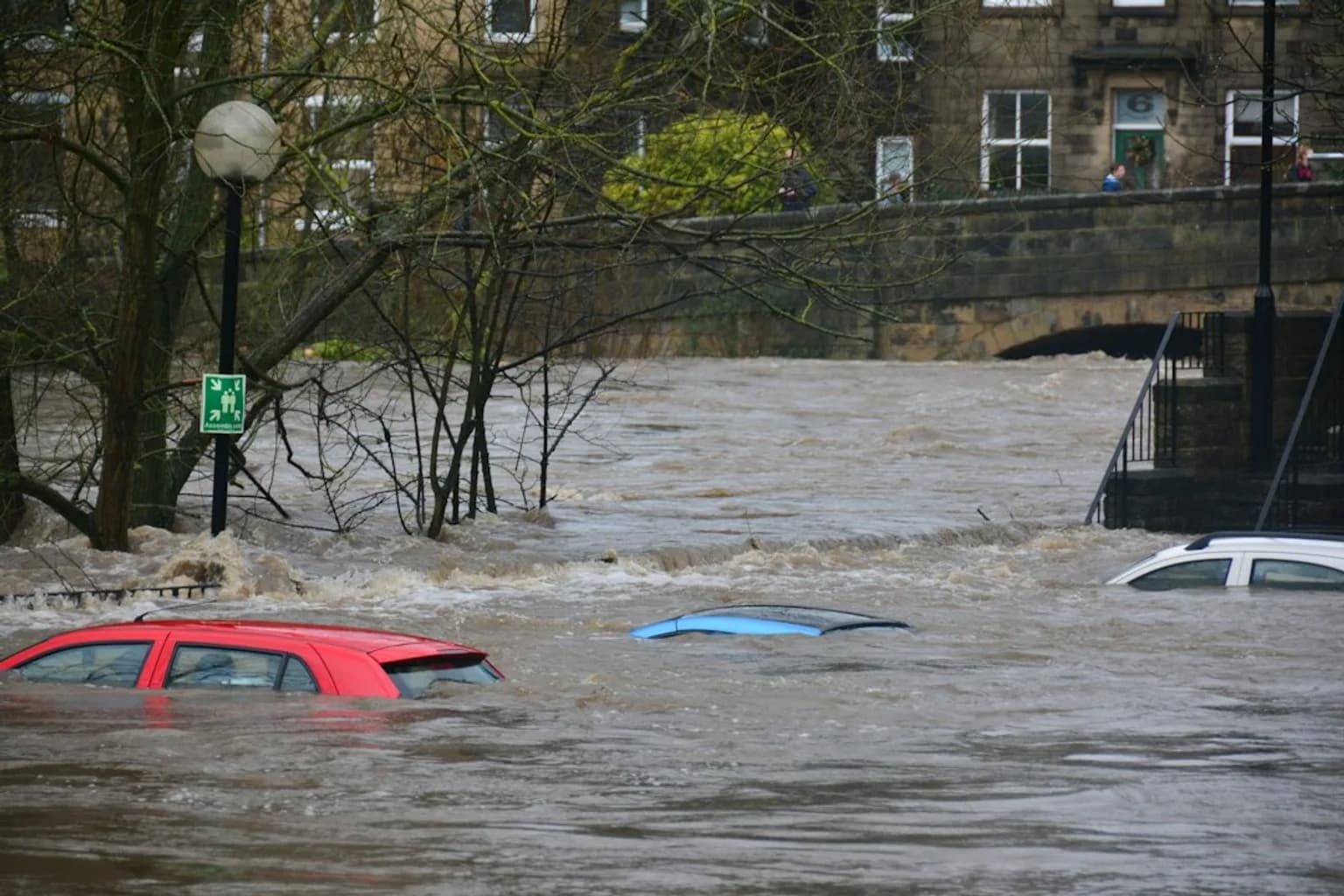
An anonymous executive at a major insurer has accused the industry of massaging its estimates of climate-disaster losses to keep premiums competitive. In an account published on 14 October 2026, titled ‘I work for a major insurer. My industry is fudging the numbers in the face of the climate crisis’, the executive alleged that insurers were understating the danger.
The account appeared as Inside Track, a UK-based nonprofit founded in early 2025 as a forum where insiders could safely share their experiences, released a report based on information from two dozen senior insurance professionals in the UK and elsewhere in Europe. The report was published on Wednesday, 14 October.
The executive’s identity and employer have not been disclosed. Bloomberg interviewed some contributors to the report, all of whom spoke on condition of anonymity.
The central problem is a familiar piece of insurance plumbing: cover is sold and priced now, while the full cost of a changing climate may arrive much later. Anthony Hobley, until recently deputy chair for climate risk and resilience at Howden Group Holdings, wrote: “Our pricing skill is only ever deployed twelve months at a time.”
Lord Nicholas Stern, chair of the Grantham Research Institute on Climate Change and the Environment at the London School of Economics, said: “The people who price risk for a living are warning, from the inside, that our models have underestimated the danger.”
He added: “And that mispriced risk is building to potentially unmanageable levels.”
Public warnings from senior figures have pointed to the same pressure. Amanda Blanc, Aviva’s chief executive officer, said in September that homes being built in the UK today already face uninsurability because of rising flood risks.
Günther Thallinger, a director at Allianz, said “entire regions” risk becoming uninsurable because of climate change.
The Bank of England said in 2025 that insurers were “not always consistent” when valuing assets and liabilities that incorporate climate-related risk.
Inside Track said some of the industry’s withdrawal from risk “has already begun and will now accelerate.” Its report warned of “an increase in uninsured losses for which someone else will have to pay the price.”
There are already visible signs of that retreat. Property insurers have scaled back or cancelled policies covering wildfire losses in California, and reduced policies for hurricane risk in Florida and Louisiana. In Europe, only a quarter of natural catastrophe losses are currently covered.
Insurers have cited growing climate risk in recent years as they raised rates and dropped coverage. Communities, meanwhile, are carrying costs that include cooling centres, flood-protection plans and equipment for firefighters and emergency responders.
This summer’s record heat has offered another reminder that the physical effects of a warming climate are no longer theoretical. The Supreme Court is also hearing Suncor v. Boulder, a case brought by the city and county of Boulder alleging that Suncor and ExxonMobil knowingly contributed to climate change. The nation’s largest property insurance associations have sided with the oil companies.





Comments (0)