
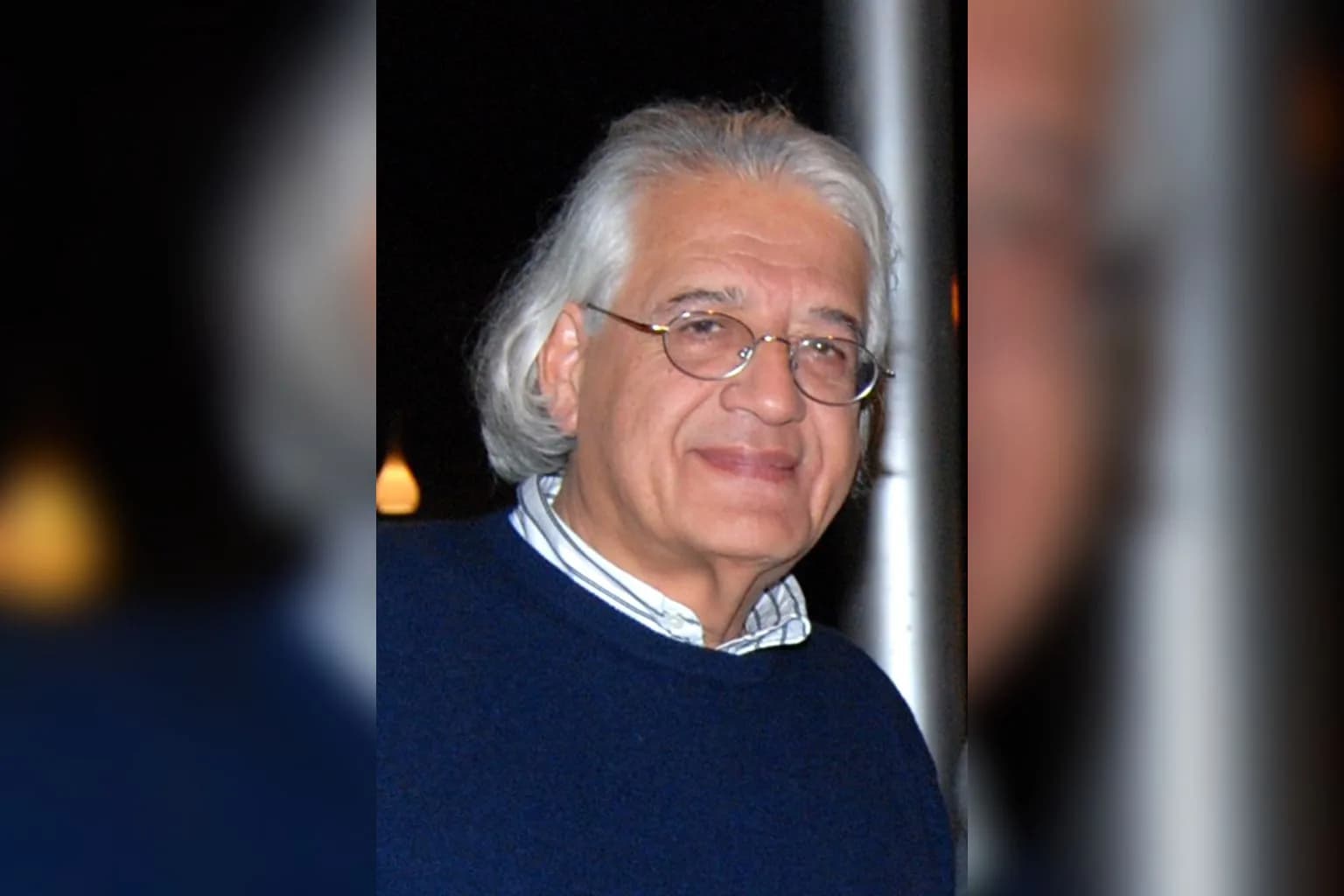
Patricio Guzmán, the Chilean documentary filmmaker whose work examined Chile’s political transformation, has died in Paris aged 85. He died following a cardiorespiratory arrest.
Born in Santiago on August 11, 1941, Guzmán was hailed as one of Latin America’s most important non-fiction directors. He worked as a director, screenwriter, editor, producer, researcher and film theorist, building a filmography over more than six decades that was inseparable from Chilean political history.
Guzmán dedicated more than half a century to cinema focused on the 1973 coup, the dictatorship, disappeared persons and their traces. His films returned repeatedly to questions of political violence, memory and the record left by those events.
His best-known work, ‘The Battle of Chile’, is regarded as the greatest landmark of Chilean and Latin American documentary cinema. The trilogy was made up of ‘La insurrección de la burguesía’ (1975), ‘El golpe de Estado’ (1976), and ‘El poder popular’ (1979).
The project began with a different purpose. It was originally intended to be called ‘El primer año’ and planned as a documentary about the first year of Salvador Allende’s government. It developed into a three-part account filmed during and after that government and its violent overthrow.
The trilogy became newly available on the streaming platform Mubi on Friday, September 11, days before Guzmán’s death. Its arrival coincided with commemorations of the 1973 Chilean military coup, renewing access to a work that has long served as a cinematic testimony to that period.
Guzmán spent his final decades in Paris while continuing his creative work and maintaining his focus on Chile’s political trauma and memory. His later documentaries included ‘Nostalgia for the Light’ and ‘The Cordillera of Dreams’, which won a Cannes prize.
In 2023, Guzmán received the Premio Nacional de Artes de la Representación y Audiovisuales. He was only the second filmmaker to receive the award, alongside Raúl Ruiz.
The Ministry of Cultures said: “We deeply lament the passing of Patricio Guzmán, National Prize for Representation Arts and Audiovisuals 2023, a fundamental figure of cinema and national culture”.
Guzmán’s career placed documentary film at the centre of Chile’s effort to preserve and examine its political past. Through ‘The Battle of Chile’ and his later work, he made the camera a means of recording events, their consequences and the enduring presence of memory.

Comments (0)