
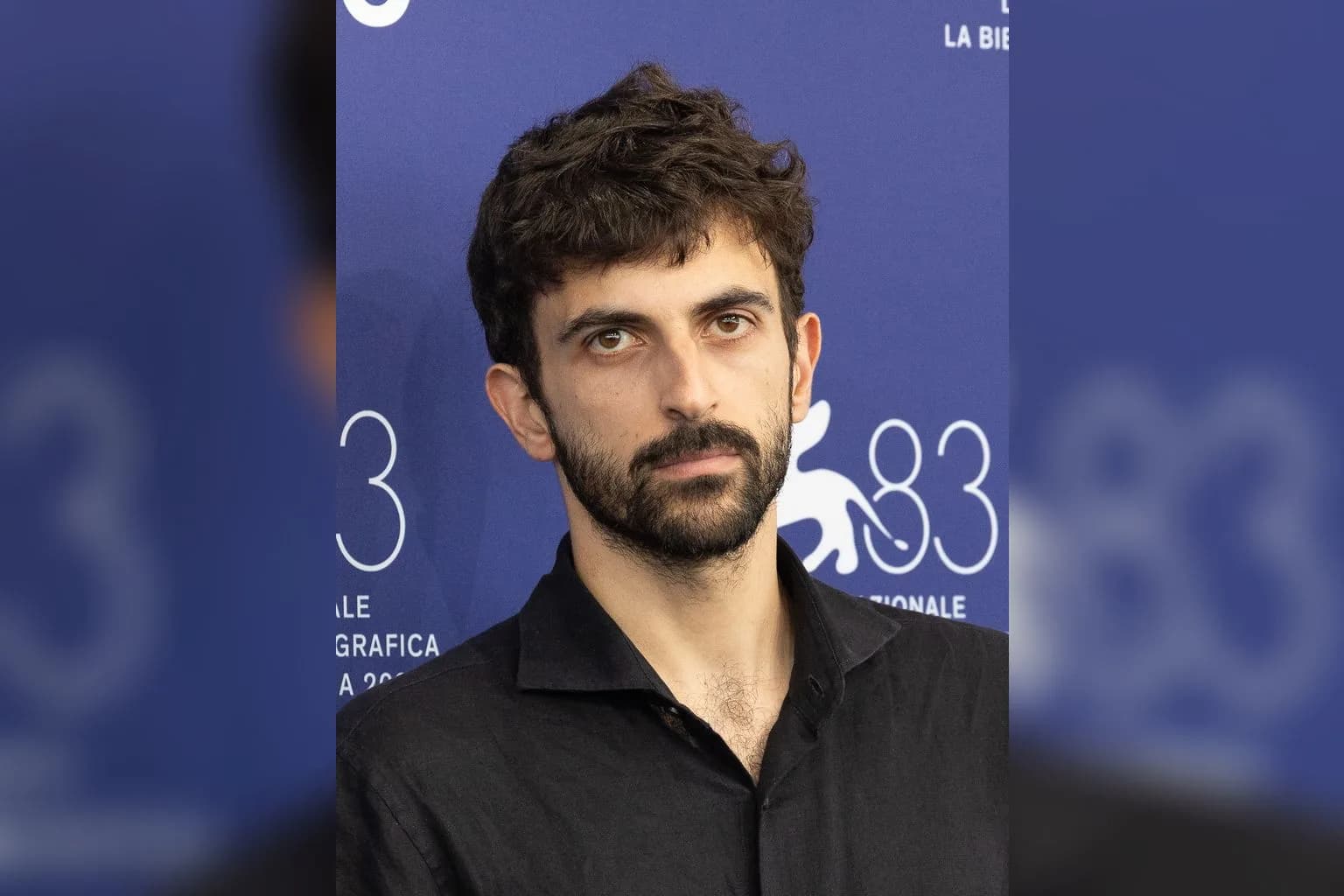
Art can carry a people's history when other means of expression are closed off. For more than fifty years, Sliman Mansour did exactly that. The Palestinian painter, sculptor, author, and cartoonist died on 24 August 2026, at Al-Makassed Hospital in occupied East Jerusalem, where he had been receiving treatment. He was 79. No cause of death was publicly disclosed.
His family announced the news on his verified Instagram account. "The final chapter has been written," they wrote. "With hearts heavy beyond words, we share that our beloved father has passed away." Funeral and memorial arrangements had not been announced at the time of initial reporting.
Mansour was born in 1947 in Birzeit, near Ramallah, in the occupied West Bank. His career unfolded across a period defined by displacement, occupation, and successive upheavals in Palestinian life, and his work drew on all of it. He was considered a leading figure among contemporary Palestinian artists and was widely described as an artist of the intifada, the Palestinian uprising against Israeli occupation. His practice was grounded in the concept of sumud, an Arabic word meaning steadfastness or endurance, which shaped both his imagery and his political outlook.
His most celebrated work, according to The National News, is Jamal Al Mahamel, or Camel of Hardship. The painting depicts an elderly Palestinian porter carrying the city of Jerusalem on his back. It became one of the most recognised images in Palestinian art, reproducing across walls, publications, and public spaces over decades. The image encapsulates a recurring theme in Mansour's work: the Palestinian people as bearers of an immense historical weight, persisting regardless.
Mansour worked across painting, sculpture, authorship, and cartooning over the course of his career. He was also a co-founder of the League of Palestinian Artists and served as its head from 1986 to 1990. The organisation gave institutional form to a generation of Palestinian artists who saw their practice as inseparable from their national circumstances.
In a 2024 interview with Al Jazeera, Mansour spoke of the purpose he believed art could serve: the need, as he put it, to rehumanise Palestinians through their own cultural production. It was a statement that captured the mission running through more than five decades of work. He did not treat art as a retreat from political reality. He treated it as one of the few tools available for shaping how a people are seen, and how they see themselves.
His death closes a long chapter in Palestinian cultural life. The weight of that chapter, like the figure in his most famous painting, was never set down.

Comments (0)