

The International Committee of the Red Cross has been denied access to Palestinian detainees held in Israeli detention facilities since October 2023, leaving the organisation unable to carry out visits that form a central part of its work in armed conflicts. The ICRC has called on Israeli authorities to disclose where detainees are being held and to permit visits, while talks on restoring access remain under way.
An ICRC team has met authorities at an Israeli military detention facility as part of those efforts. The organisation has not said when visits might resume, and the outcome of the discussions has yet to be made public.
The denial comes amid wider constraints on humanitarian work connected to the war in Gaza, which began when the Palestinian militant group Hamas launched an unprecedented attack on October 7. The ICRC, a Swiss-based organisation founded 160 years ago, operates as a neutral humanitarian actor in armed conflicts. Its leaders say that role is under pressure from parties seeking stronger public action.
Mirjana Spoljaric, the ICRC chief, said: “The pressure we experience now in the context of Gaza and Israel is so much more than what we experienced a year ago on Ukraine and Russia”. She said that abandoning neutrality and “adopting a practice of public denunciations is going to make us irrelevant”.
Israeli Prime Minister Benjamin Netanyahu asked Spoljaric to “place public pressure on Hamas”. The request reflects the demands facing the organisation as it tries to maintain contacts with parties to the conflict while securing access to detainees and civilians.
The ICRC has recently assisted 13 released Palestinian detainees after their transfer from the Kerem Shalom crossing to Nasser Hospital in Gaza. It also helped reunite them with their families.
Accounts from Palestinian women detained at Damon Prison have added to concern over the conditions facing people held in Israeli custody. The women described being denied regular showers, water inside their rooms, adequate medical care and basic personal necessities.
Ben Gvir, the National Security Minister and cabinet minister responsible for the Israel Prison Service, said: “The good conditions that previously existed in the prisons are over”. He said he was happy that conditions had been reduced to the “absolute minimum” and dismissed the women’s complaints as “whining”. Israel has publicly mocked Palestinian women as they described torture and deprivation inside one of its prisons.
Yasmine Shaaban, a Palestinian mother from the Jenin area, was released in a negotiated prisoner exchange. She was later rearrested without being put on trial for a new offence.
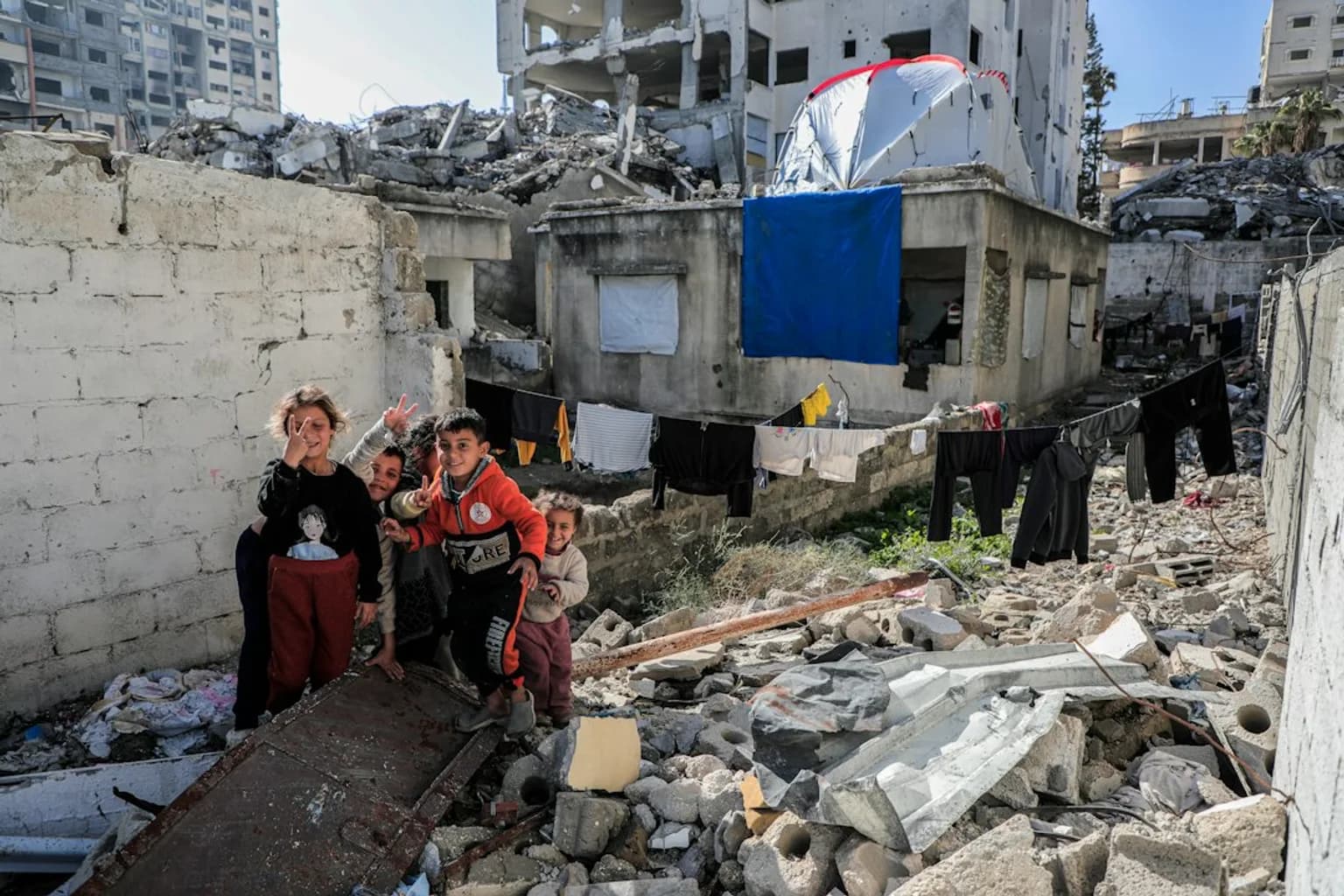
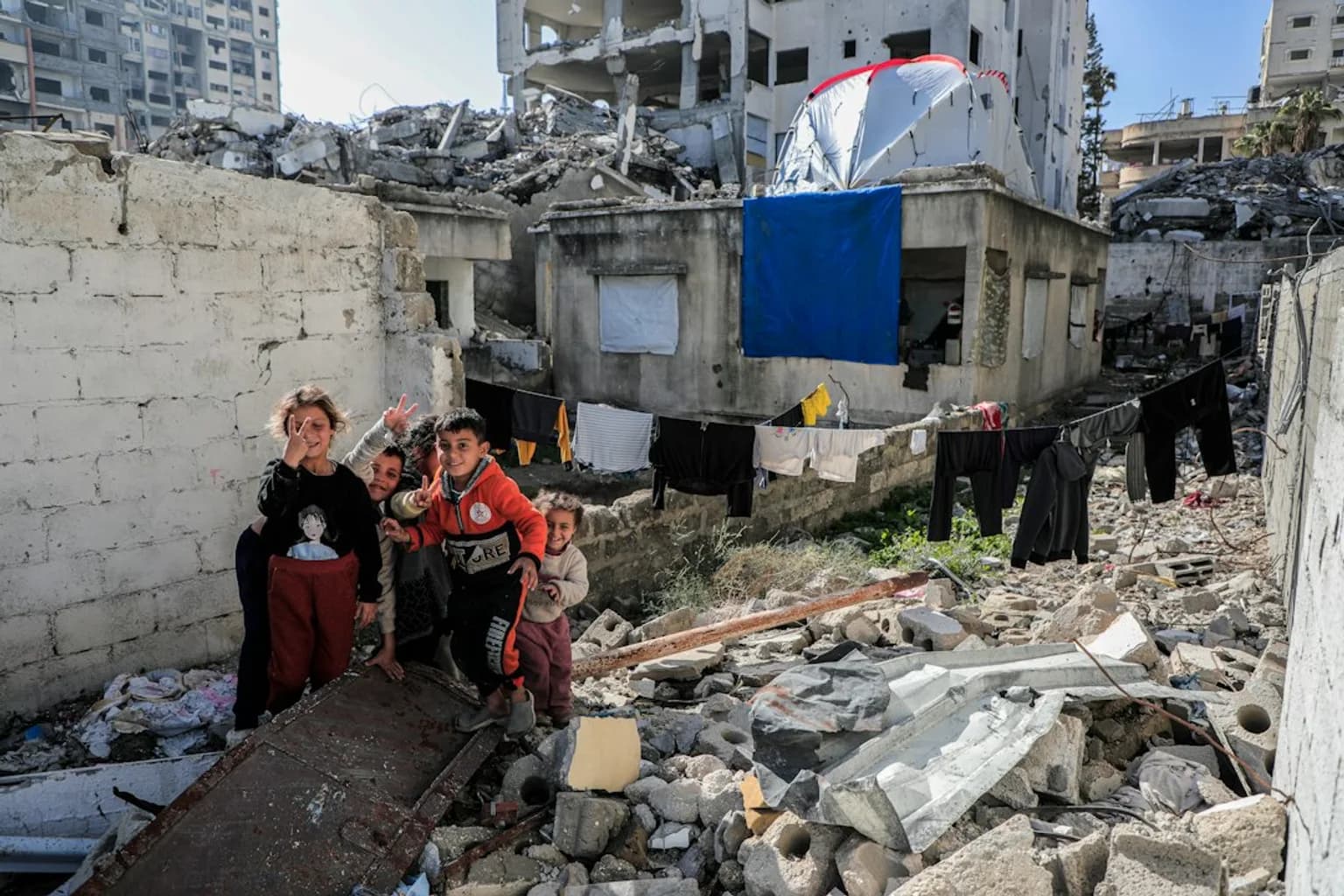
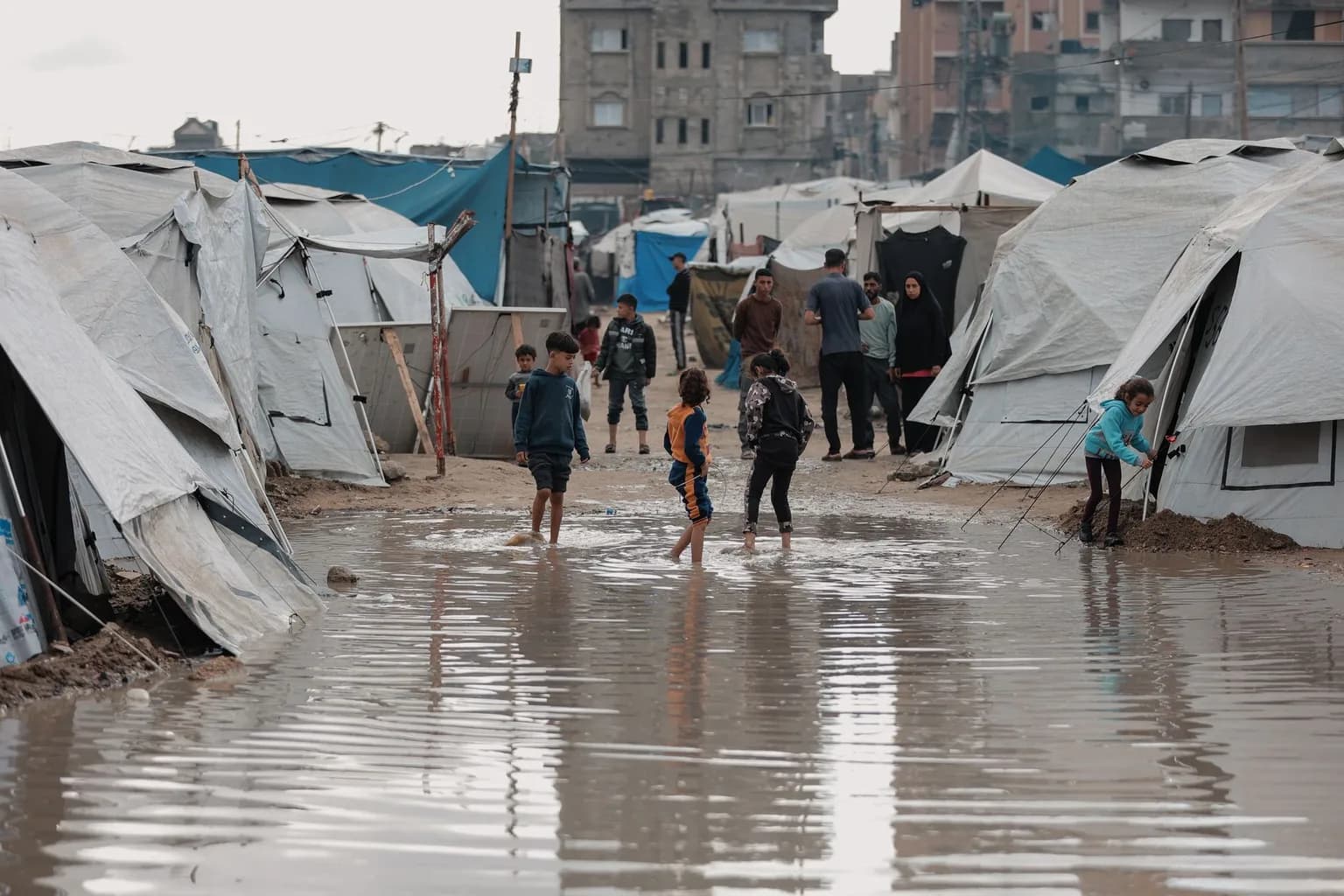
The access dispute over detainees runs alongside limits on the delivery of aid into Gaza. Clare Dalton, head of delegation of the International Committee of the Red Cross in the UAE, said there was a need for “more sustained humanitarian access” to Palestinians in Gaza.
Dalton said approximately 500 trucks per day entered Gaza before October 7. Since the crisis began, only 1,200 trucks have come into Gaza, according to Dalton. “I think the big challenge is that a lot of aid has been sent to help people, however not much is actually getting in,” she said.
The obstacles facing the ICRC extend beyond Gaza. Spoljaric referred to a recent deadly attack on an ICRC humanitarian convoy in the Sudanese capital of Khartoum. The convoy had been due to evacuate more than 100 vulnerable civilians.
The organisation’s immediate negotiations with Israeli authorities concern the resumption of detainee visits. The wider picture includes restricted aid flows into Gaza, pressure on the ICRC’s neutral role and risks to its operations in other conflicts. There is no stated timetable for full access to Israeli detention facilities to be restored.

Comments (0)