
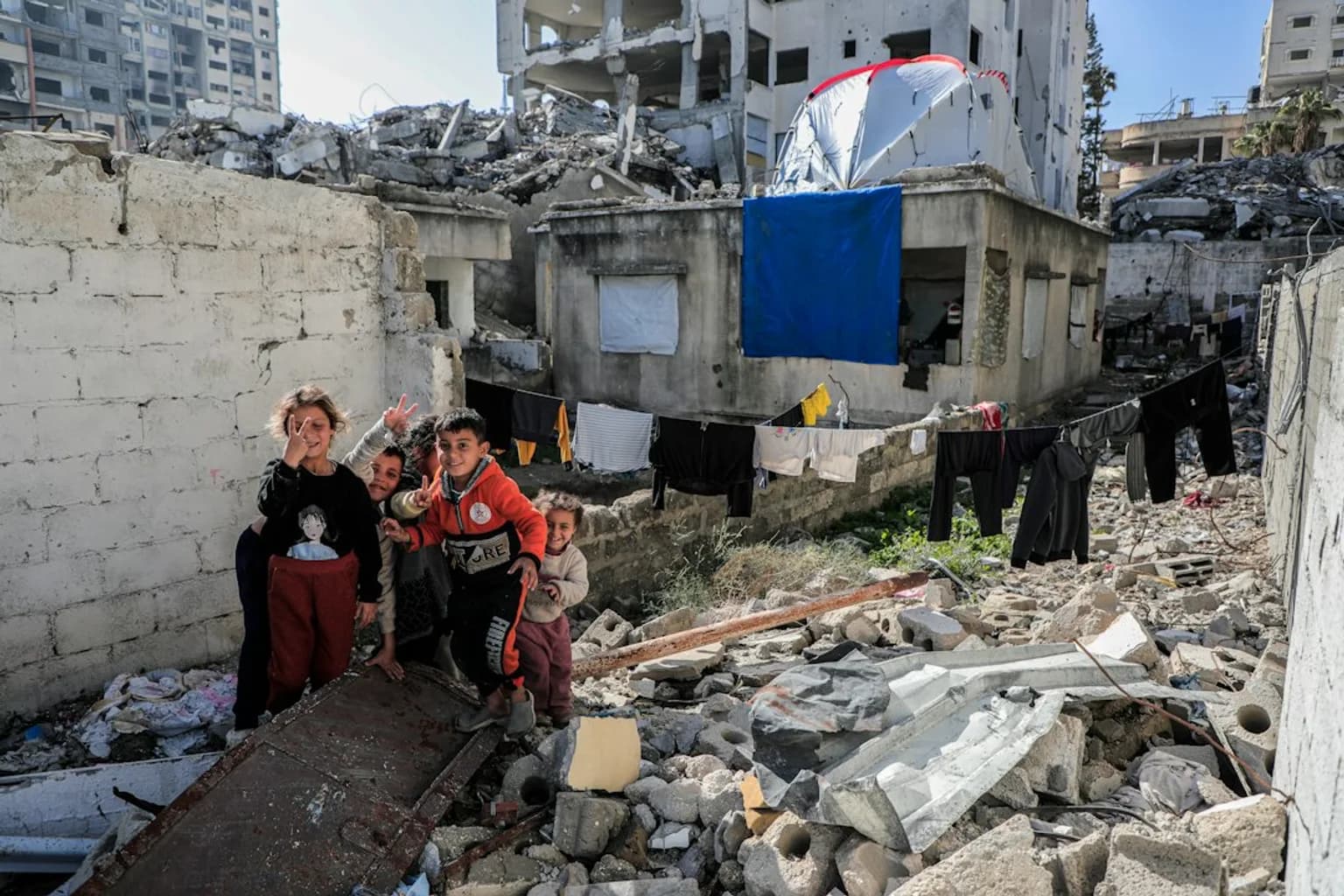
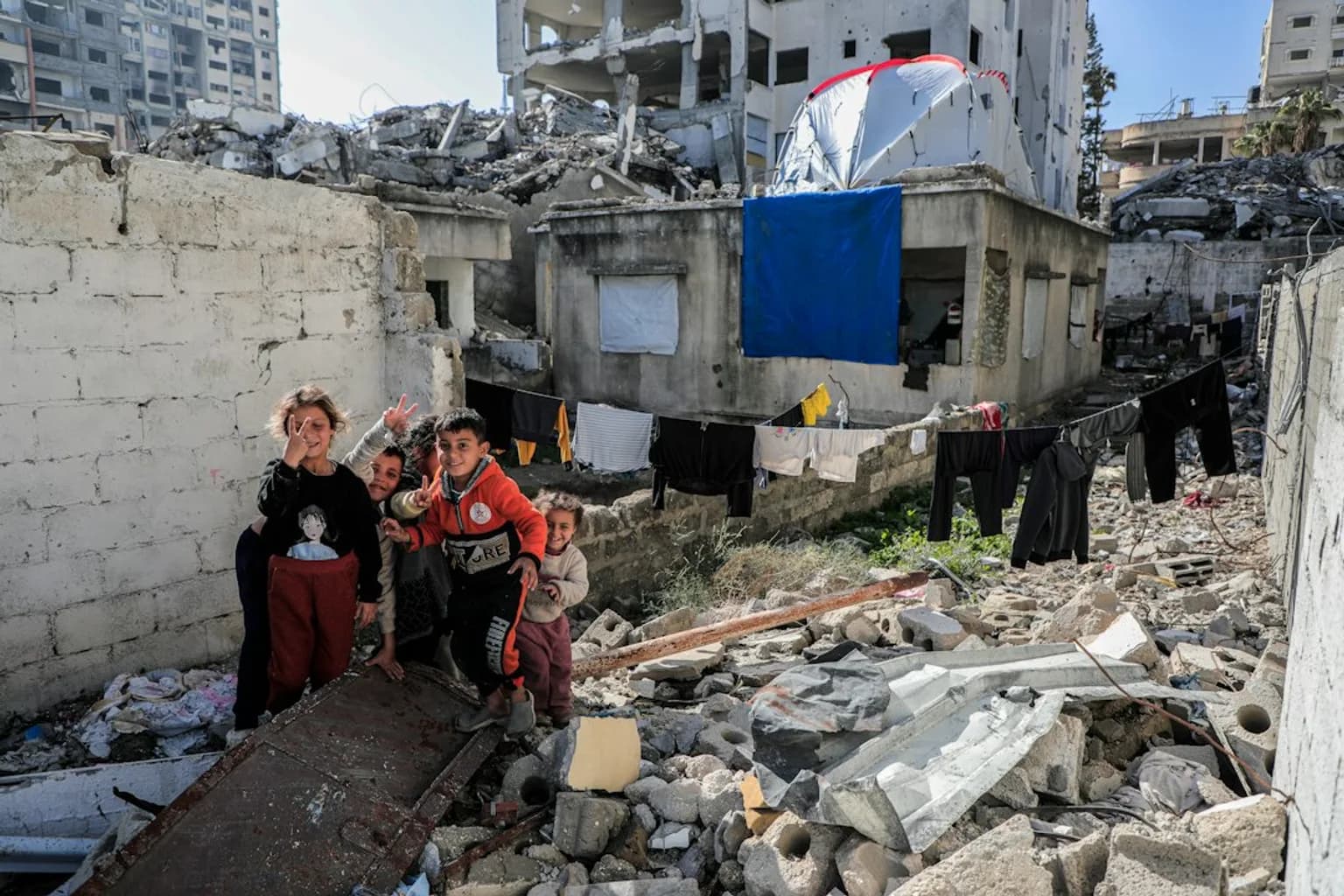
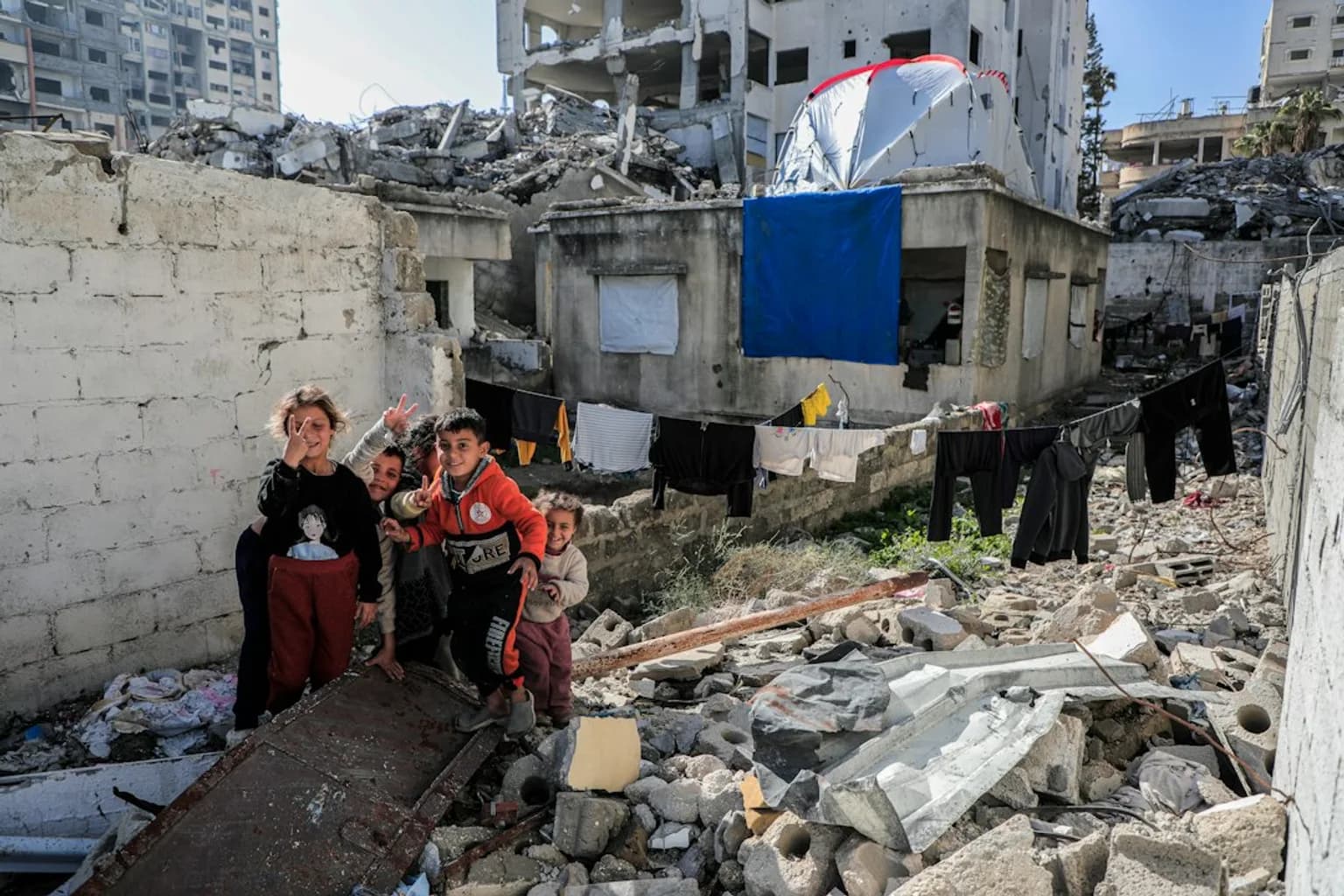
After a long, hot day clearing a stretch of Beirut Street in Gaza City’s Tel al-Hawa neighbourhood, the UN engineer Ahmed Alyan described the task in terms of scale rather than progress. “I feel as if we are holding a spoon and trying to empty the sea”, he said.
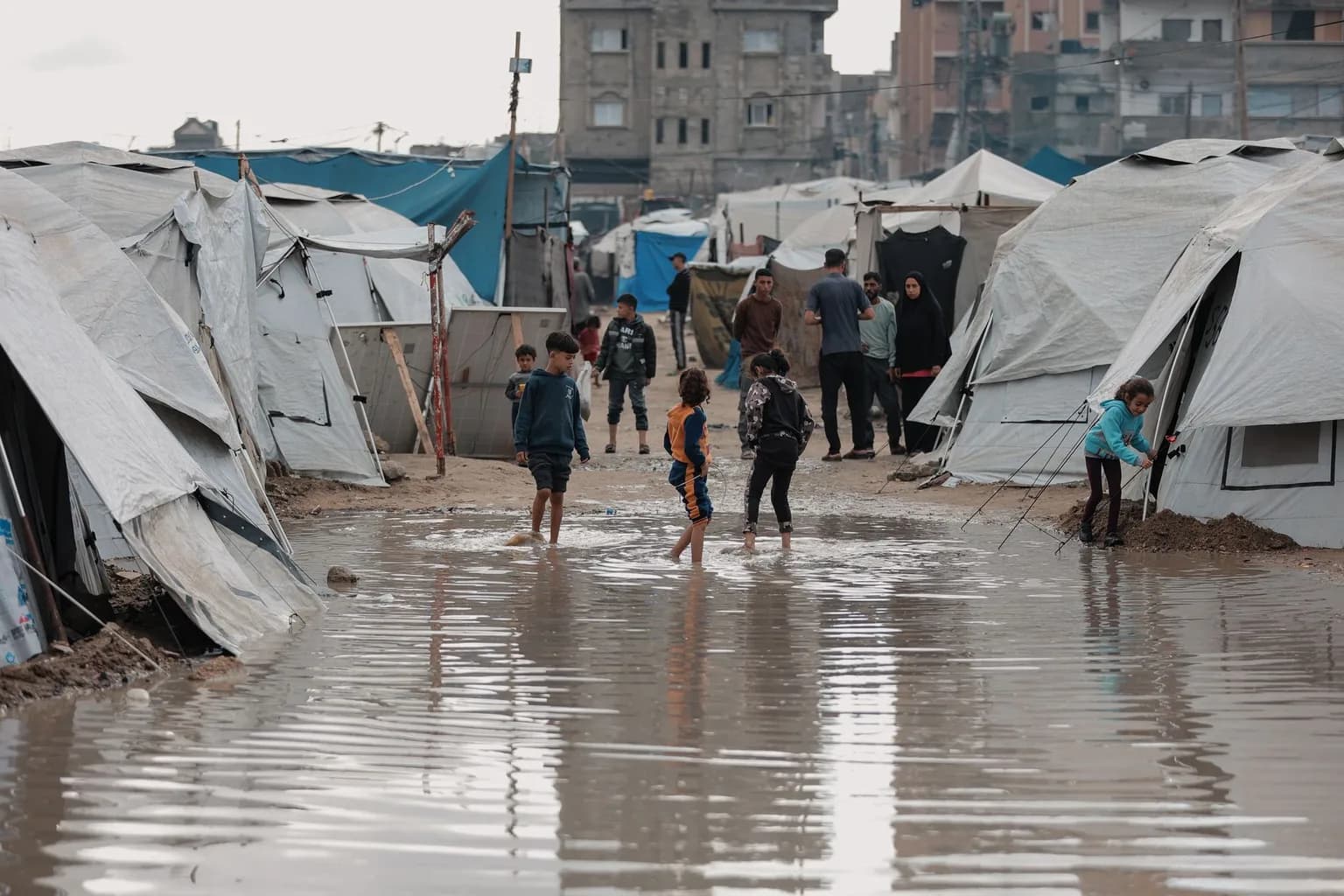
That road took an entire day to clear. Across Gaza, more than 1.6 million people are approaching a fourth winter without safe housing, living in worn tents and damaged buildings.
Israel’s assault on Gaza began after Hamas’ deadly raid into Israel in October 2023, and has generated around 61 million tons of wreckage and debris. A US-brokered ceasefire ended the full-scale onslaught in October 2025.
The UN estimates that clearing more than 60 million tons of debris could take seven to ten years. It has described the operation as one of the largest clean-ups in recent history.
Jaco Cilliers, the UN Development Programme’s special representative in Palestine, said Gaza’s debris was roughly 20 times the amount generated by all wars worldwide over the past 18 years.
Only about 907,000 tonnes of rubble have been removed, around 1.5 per cent of the estimated total. Limited equipment, alongside restrictions on machinery and construction materials entering Gaza, has slowed the work.
Volker Turk, the United Nations human rights chief, said Israel has blocked the entry of heavy machinery needed for debris removal. He said remains that appeared to belong to entire families were being unearthed from sites destroyed during Israeli attacks.
Palestinian Civil Defence workers have recovered more than 630 bodies and human remains since November 2025, in a recovery effort that began nearly three years ago. The UN Development Programme estimates that 8,000 to 10,000 bodies may still lie beneath the debris.
The rubble also contains unexploded ordnance, damaged buildings and hazardous materials including asbestos. Gaza engineers have rebuilt two machines locally because new equipment could not be brought in.
Winter shelter is constrained by the same shortages. Israeli authorities allow 15 trucks carrying items designated as ‘dual-use’ to enter Gaza from Jordan each week, and permit offloading on only one day a week.
At least 500 truckloads of Israeli-designated dual-use shelter items are in the pipeline. At the present pace, their entry would take more than seven months.
Flyktninghjelpen has warned that too little shelter equipment is being allowed into Gaza. Palestinians are restricted to around 35 per cent of Gaza’s total land area, while two-thirds of the population is living in tents and makeshift shelters.
An estimated 950,000 people live at sites facing a medium or high risk of flooding. Almost 300,000 families will need shelter assistance this winter.
$283 million USD is needed for the minimum winter shelter response, yet donors have provided or pledged 34 per cent of that amount.
Jan Egeland, the NRC Secretary General, said: “Palestinians in Gaza cannot be expected to survive another winter in worn and torn tents that were never designed to withstand these conditions. This is not an unavoidable natural disaster – it is a manmade humanitarian crisis because life-saving shelter aid is blocked by the occupying power.”
Nesma Al-Sallaq, NRC’s shelter coordinator in Gaza, said: “Winter in a tent is not a merely a season, but a nightmare”.

Comments (0)