
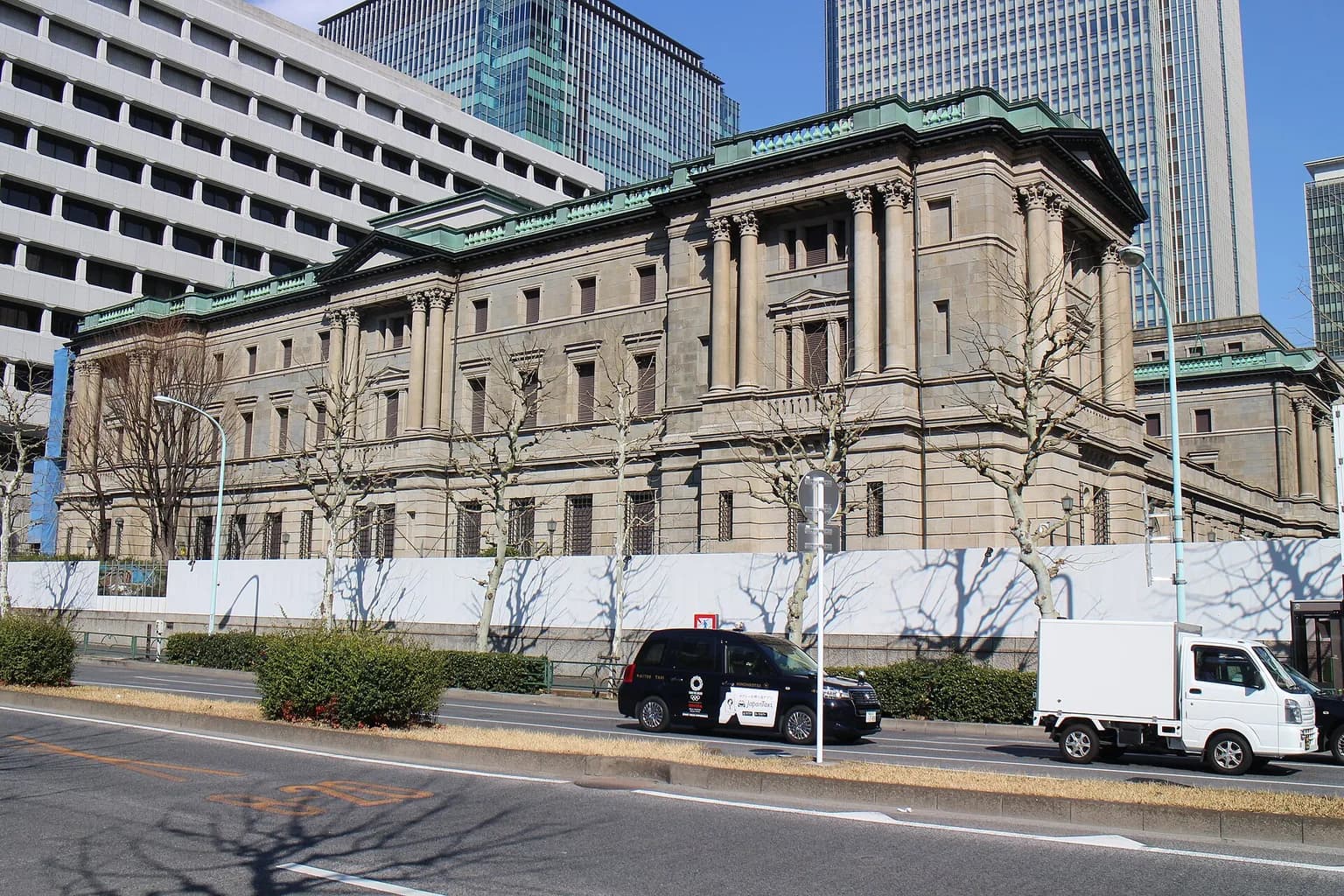
The Bank of Japan is expected to raise its policy rate to 1.25% from 1% on Friday, taking borrowing costs to levels last seen in 1995 as higher oil prices and a weaker yen add to inflation pressure.
The decision is due at the bank’s monetary policy meeting on the 17th and 18th. It would be the first increase in three months, following the June meeting, and would mark a faster pace than the bank’s approach since it ended negative interest rates in March 2024.
Since then, the Bank of Japan has generally raised rates once every six months. It has delivered 75 bps of tightening since July 2024. The expected 0.25 percentage point increase would therefore signal greater concern that oil and currency movements could push inflation above the central bank’s expectations.
Brent crude has approached $100 a barrel amid escalating tensions between the United States and Iran. At the same time, the yen has weakened to around 152 per dollar, compared to 147 level last year. Higher imported energy costs and a weaker currency can raise costs for Japanese households and businesses.
The shift comes after the Bank of Japan exited a decade-long stimulus programme in 2024. Japan’s economy has also shown signs of moving further away from deflation, with prices, wages and property all rising.
Revised second-quarter gross domestic product data released by Japan’s Cabinet Office showed growth of 0.4% from the previous quarter, an upgrade from the initial estimate. The figures add to the evidence considered by policymakers as they assess whether inflationary pressures are proving durable.
The expected rise would leave the policy rate within the estimated range for Japan’s nominal neutral rate, which is 1.1% to 2.5%. That range is intended to indicate a setting at which monetary policy neither stimulates nor restrains economic activity, though the appropriate level remains uncertain.
Reuters polling shows analysts expect the Bank of Japan to lift rates to 1.5% by end-March next year. They expect a further increase to 1.75% in the second quarter of 2027. Those forecasts point to continued tightening, although the speed and scale of later moves remain unresolved.
There may also be division within the policy board. Board member Toichiro Asada dissented from the rate hike in June and may do so again. Hajime Takata, another policy board member, has said the bank need not confine rate increases to intervals of about once every six months or keep each move to 0.25 percentage point.
Financial markets have welcomed the prospect of higher rates in one part of the economy. Japanese bank stocks have rallied sharply during the tightening cycle and have traced a broad upward trajectory on the Tokyo Stock Exchange. The gains have reflected expectations that banks will earn wider lending margins.
Currency policy is also part of the backdrop. Japan is the largest foreign holder of U.S. Treasurys. U.S. Treasury Secretary Scott Bessent said on the 31st of last month that he was confident the Japanese government and central bank would take steps leading to a stronger yen.
The immediate question for the Bank of Japan is whether the rise in oil costs and the yen’s weakness will sustain inflation pressure long enough to justify a quicker normalisation of policy. Friday’s expected move would take the bank further from the ultra-low-rate framework that shaped Japan’s monetary policy for decades.




Comments (0)