
Brent crude rose above $100 a barrel for the first time since July, as reported attacks on oil tankers in and near the Persian Gulf added to concern over supplies moving through the Strait of Hormuz.
Brent crude futures rose to $101.21 per barrel on September 9, 2026, after climbing around 3% to cross the $100 mark. The contract reached $101.58 during trading and closed at its highest level since late May. U.S. West Texas Intermediate futures also advanced approximately 3% to top $95. WTI crude rose by $3.02, or 3.25%, to $96.05 per barrel.
The move caps a rise of roughly $20 in just a few weeks. Brent was last above $100 in July, before falling below $80 in early August. It has previously reached $126.41 per barrel since the war began in late February.
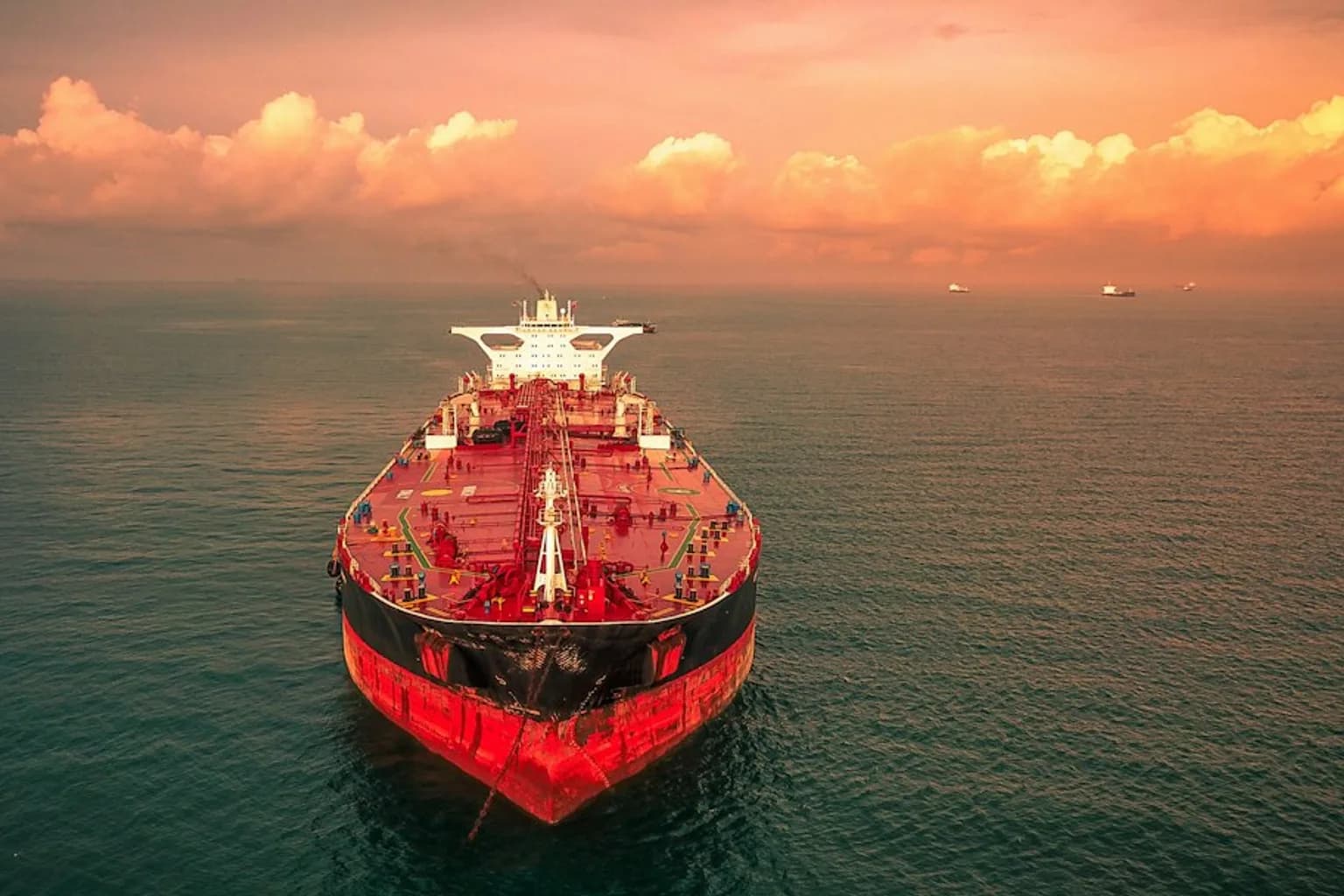
The latest increase came amid competing accounts of military action affecting tankers. American forces sank four Iranian tankers in the Gulf of Oman and a fifth near Kharg Island on Tuesday, according to the reported account of the incident. The United States said it had destroyed five Iranian oil tankers. Iran said it had attacked 10 vessels near the Strait of Hormuz.
The precise sequence and cause of the escalation remain unclear. The immediate market concern is the Strait of Hormuz, through which about 20% of the world's oil and gas supplies passed before the conflict began. Any disruption there could restrict a major route for energy exports.
The price rise spread beyond oil. European natural gas prices gained close to 4% and approached 79 euros a megawatt-hour. A settlement at that level would be the highest since late 2022.
US equities fell as energy prices climbed. The Dow Jones Industrial Average lost 300 points, equivalent to 0.6%. The S&P 500 declined 0.3% and the Nasdaq Composite slipped 0.5%. The Dow recorded its worst single-session loss in almost three weeks on Tuesday.
Bond markets also reacted. Oil's advance pushed the 10-year U.S. Treasury yield briefly above 4.8%.
The return of Brent to three figures puts inflation and household energy costs back into focus. Higher crude and gas prices can feed through to fuel, heating and transport costs, though the brief does not establish the timing or scale of any consumer impact. It is also unclear whether the $100 level will hold, or whether it reflects a temporary response to the military incidents.
For now, the oil market is pricing a sharper risk around a transit route central to global energy supplies. The duration of any disruption, and the course of the confrontation between Iran and the United States, remain unknown.



Comments (0)