
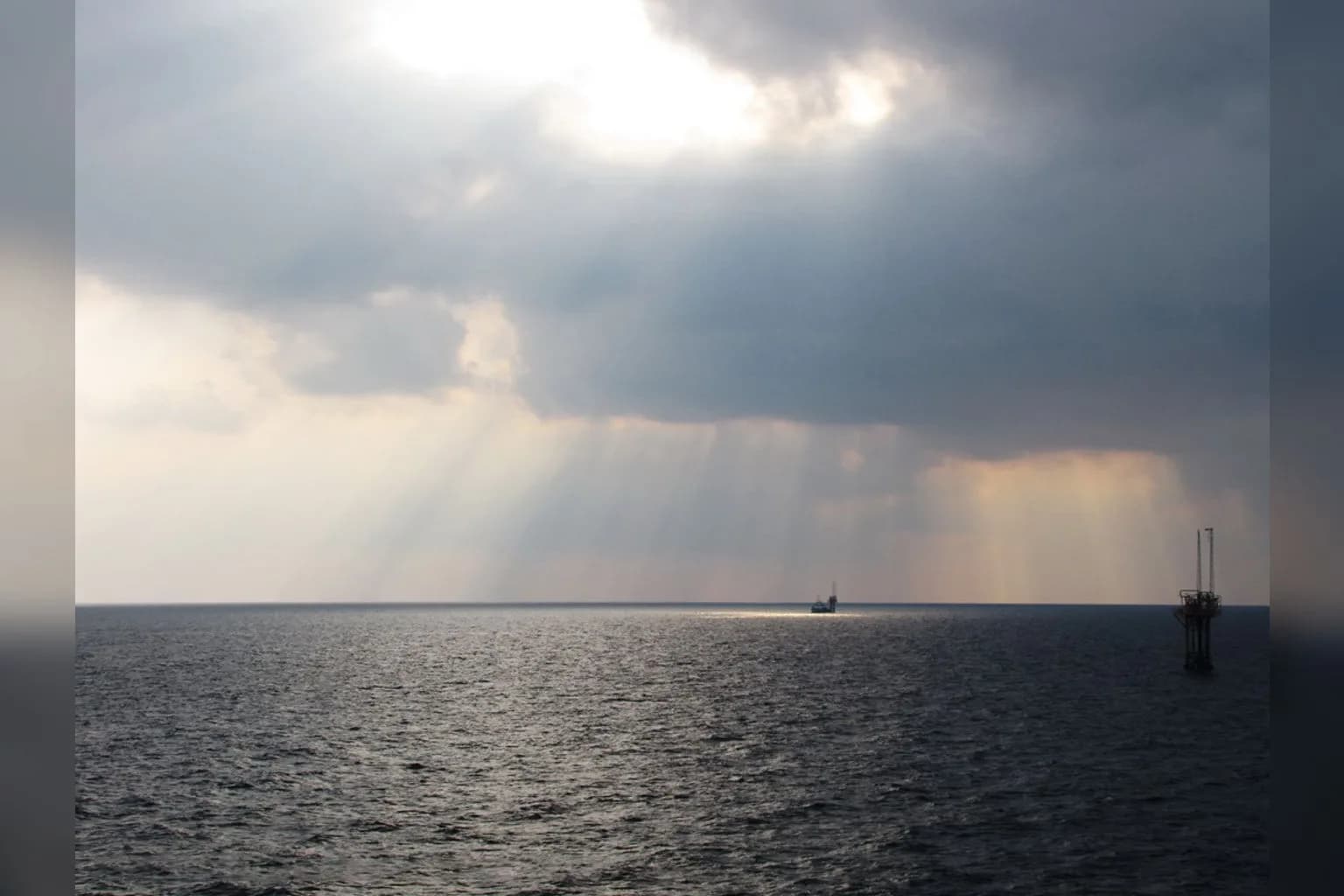
Oil markets briefly priced a severe supply shock. Growth forecasts have priced something far milder.
Iran shut the Strait of Hormuz at the beginning of the war, cutting sea passage for some 15 million barrels of oil a day. The disruption was among the biggest to global oil supplies in decades. Oil shipments through the strait were disrupted earlier in 2026, a serious threat to a route that carries about 20% of global petroleum-liquids consumption and roughly one-quarter of global maritime oil trade.
Brent crude was briefly driven to nearly $120 a barrel, roughly two-thirds above its price on the eve of the conflict. Investors initially retreated from risky assets after the conflict began.
The expected global downturn has yet to arrive. The global economy has so far escaped the steep downturn that similar oil shocks once brought, with consensus forecasts putting growth at about 2.6 percent in 2026. That forecast is close to January expectations and has fallen by only 0.1 percentage point since then.
A ceasefire took place on 8 April. Equities rebounded strongly after it.
Supply also proved more adaptable than the initial market reaction suggested. Saudi Arabia and other Gulf producers used alternative routes and unused pipeline capacity. Iran and its militant allies then targeted those alternative routes, after which oil exporters and the US military found further workarounds.
China has drawn down existing commercial oil stocks, helping to keep prices in check. By the end of June, oil prices had retreated to near pre-conflict levels as markets adjusted and fears of further disruption eased.
The relief in oil prices does not remove the costs of the disruption. Global inflation forecasts have risen by about 0.8 percentage point since January, to 3.4 percent. In EMDEs, projected inflation has increased from 3.3 percent to nearly 4.2 percent.
The stock draw cannot continue indefinitely. The alternative supply arrangements are expensive and may not last. Iran could still gain an edge through continued attacks on key oil facilities.


Comments (0)