
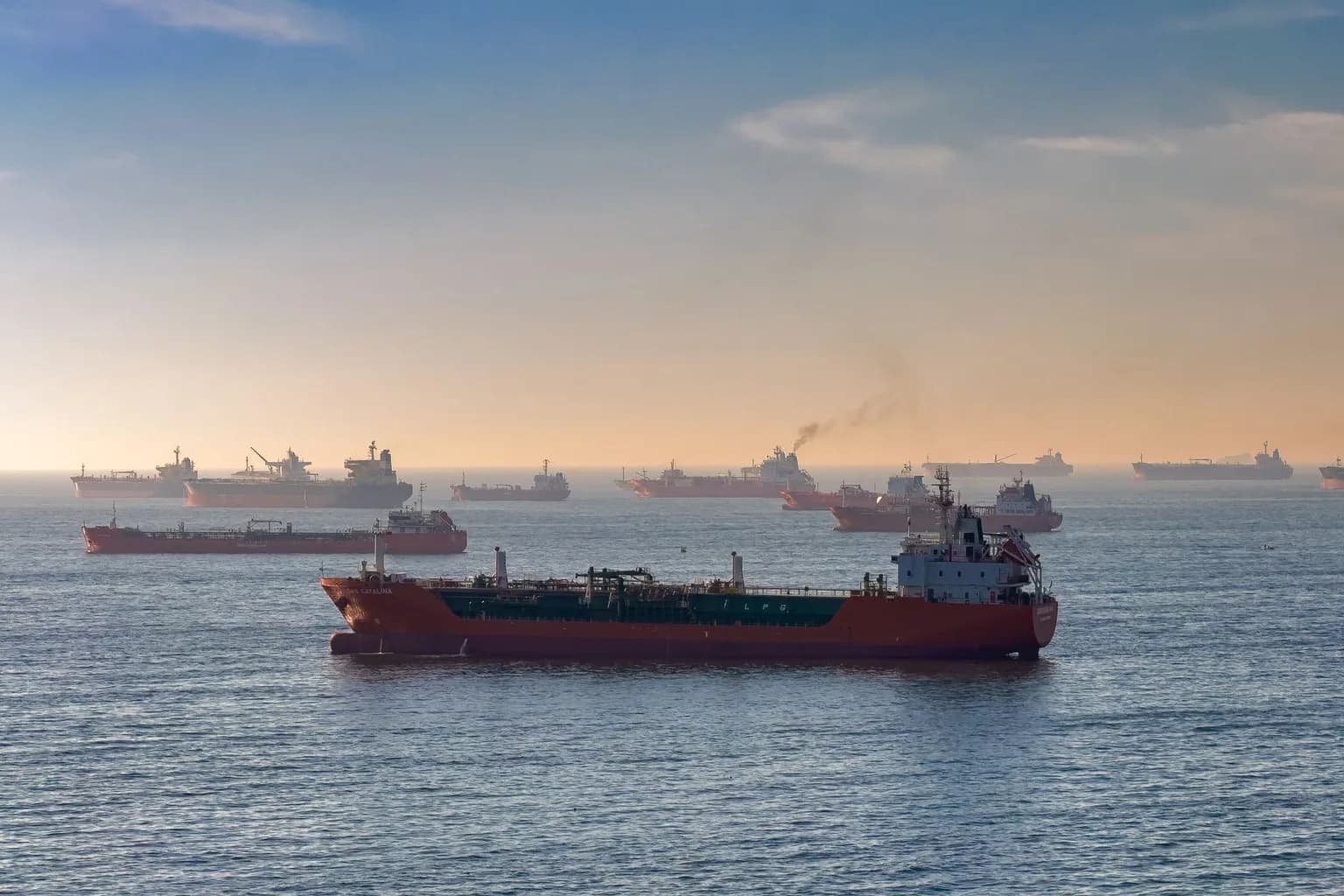
Oil markets are pricing a further supply shock while JPMorgan says it can no longer put a baseline forecast on the conflict behind it. Brent crude is trading near $106 per barrel, about $16 above the bank’s estimated fair value of roughly $90, as traders price in the risk of an additional 4 million barrels per day of supply losses on top of approximately 10 million barrels per day already disrupted.
JPMorgan’s commodities team has formally abandoned its baseline view for oil markets, an unusual public concession from a bank whose pricing frameworks draw on the past 25 to 30 years of liquid futures trading. Natasha Kaneva, JPMorgan’s head of global commodities strategy, wrote: “For the first time since the start of the Iran conflict, we don't have a baseline view”.
“We simply don't know how to model the endgame,” Kaneva wrote. The conflict is now in its seventh month, and JPMorgan has also paused oil price forecasts for two months, citing unpredictable geopolitical risks. It is the first time the bank has publicly said it cannot chart the conflict’s trajectory since the fighting began.
The decision reflects the failure of JPMorgan’s initial assumptions about the economic pressure that might bring about a settlement. At the start of the conflict, the bank expected “economic red lines” that the Trump administration would be unwilling to cross. Those thresholds included oil above $100 a barrel, inflation at 4%, gasoline above $5 a gallon and rates on 10-year government borrowing at 5%.
Six months into the conflict, each of those economic breaking points had been crossed. Diesel prices have since set a record at $6.31 a gallon. JPMorgan had expected a deal to reopen the Strait of Hormuz shipping lane in June. That has not happened, and Kaneva wrote: “The exit strategy is less clear, not more”.
The supply disruption has been met by a substantial fall in consumption. Global demand has collapsed by roughly 4.4 million barrels per day compared with the prior year. China reduced crude imports by 74% and used strategic reserves, according to the bank’s assessment.
Global crude and refined product inventories have fallen by approximately 555 million barrels. That drawdown is well below JPMorgan’s initial projection of 1.6 billion barrels. The figures point to an oil market in which reduced demand has absorbed part of the disruption, even as prices carry a premium for the risk of further losses.
JPMorgan’s historical comparisons offer limited help. During the 2022 Russia–Ukraine shock, Brent rose to about $128 following a loss of roughly 0.7 million barrels a day. The present conflict involves approximately 10 million barrels per day already disrupted, with the market also assigning value to the risk of another 4 million barrels per day being removed.
The bank has not said when it will restore a baseline forecast or set out the scenarios it is using in its place. It also cannot say when, or whether, the Strait of Hormuz will reopen. The duration of the conflict, the prospect of escalation or de-escalation, and the point at which demand destruction or alternative supply could offset disruptions remain uncertain.




Comments (0)