
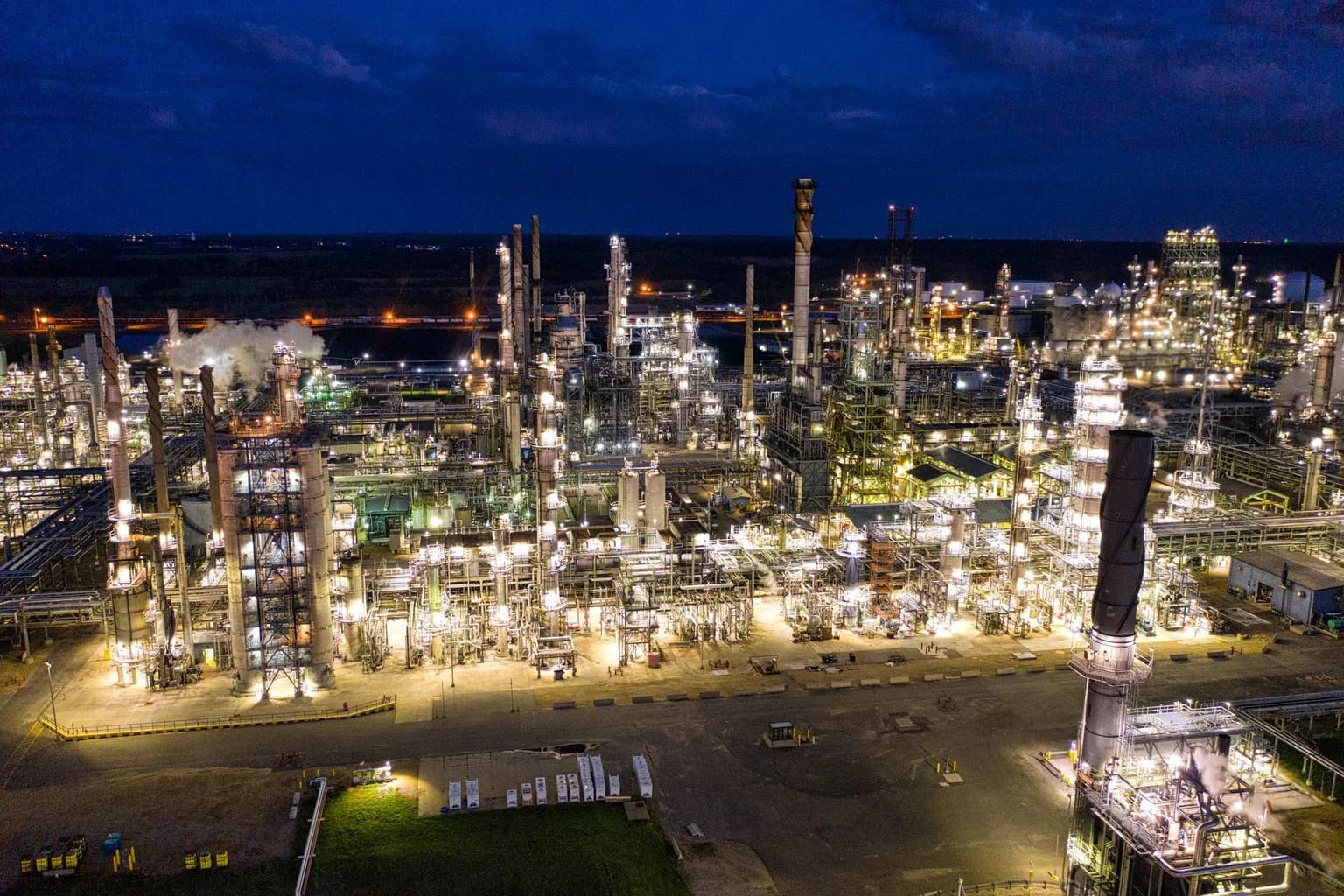
Oil prices remain elevated as the United States and China show diplomatic restraint, though the market has avoided the sharper increases associated with geopolitical escalation and fears of disrupted supply.
Research examining US-China political relations and geopolitical risk finds that both can lift oil prices, through different channels. Better political relations tend to raise prices because they point to stronger future economic activity and oil demand. Higher geopolitical risk also pushes prices higher, as traders fear supply disruption.
The paper says unexpected movements in its political-relationship index are linked to more optimistic expectations for economic activity. Unexpected changes in its geopolitical-risk index instead reflect concerns about supply disruption. The distinction helps explain why improving ties can support prices without necessarily producing the volatility associated with a wider crisis.
The study’s dynamic-multiplier analysis finds that improving political relations have a positive effect on the real price of oil after 13 months. It says that positive effect lasts about 10 months.
The earlier trade war between China and the US had the opposite effect. It caused a decline in Chinese production, which in turn reduced oil consumption and demand. China’s crude oil imports have also decreased from a record as refinery activity slowed, limiting the evidence of a broad-based demand rebound.
Brent crude oil prices traded within a narrow range in 2024. The US Energy Information Administration, or EIA, expects relatively flat crude oil prices in 2024 and 2025. That outlook is consistent with a market receiving some support from improved diplomatic signals while lacking a major supply shock.
Prices rose on Monday after US-China trade talks over the weekend, when each side presented the discussions as progress. The US and China ended the talks on a positive note on Sunday. White House officials touted a 'deal' to reduce the US trade deficit, while Chinese officials said the sides had reached 'important consensus'.
Neither side released details of the deal or the consensus. That leaves markets to judge the talks mainly through the political signal rather than through a clear account of the economic measures that may follow.
Brent crude futures climbed 43 cents, or 0.67 percent, to $64.34 a barrel by 8:00 a.m. Saudi time. US West Texas Intermediate crude futures traded at $61.50 a barrel, up 48 cents, or 0.79 percent, from Friday's close. Oil benchmarks gained over 4 percent last week, their first weekly gains since mid-April.
The central question is whether this restraint endures. The research indicates that stronger political relations can lift oil prices through expectations of greater activity and demand. A deterioration in ties could produce a different kind of increase, driven by concern over supply. It remains unclear whether changes in OPEC+ output, or ongoing US-Iran nuclear negotiations, could offset or intensify the effects of improved US-China relations.


Comments (0)