
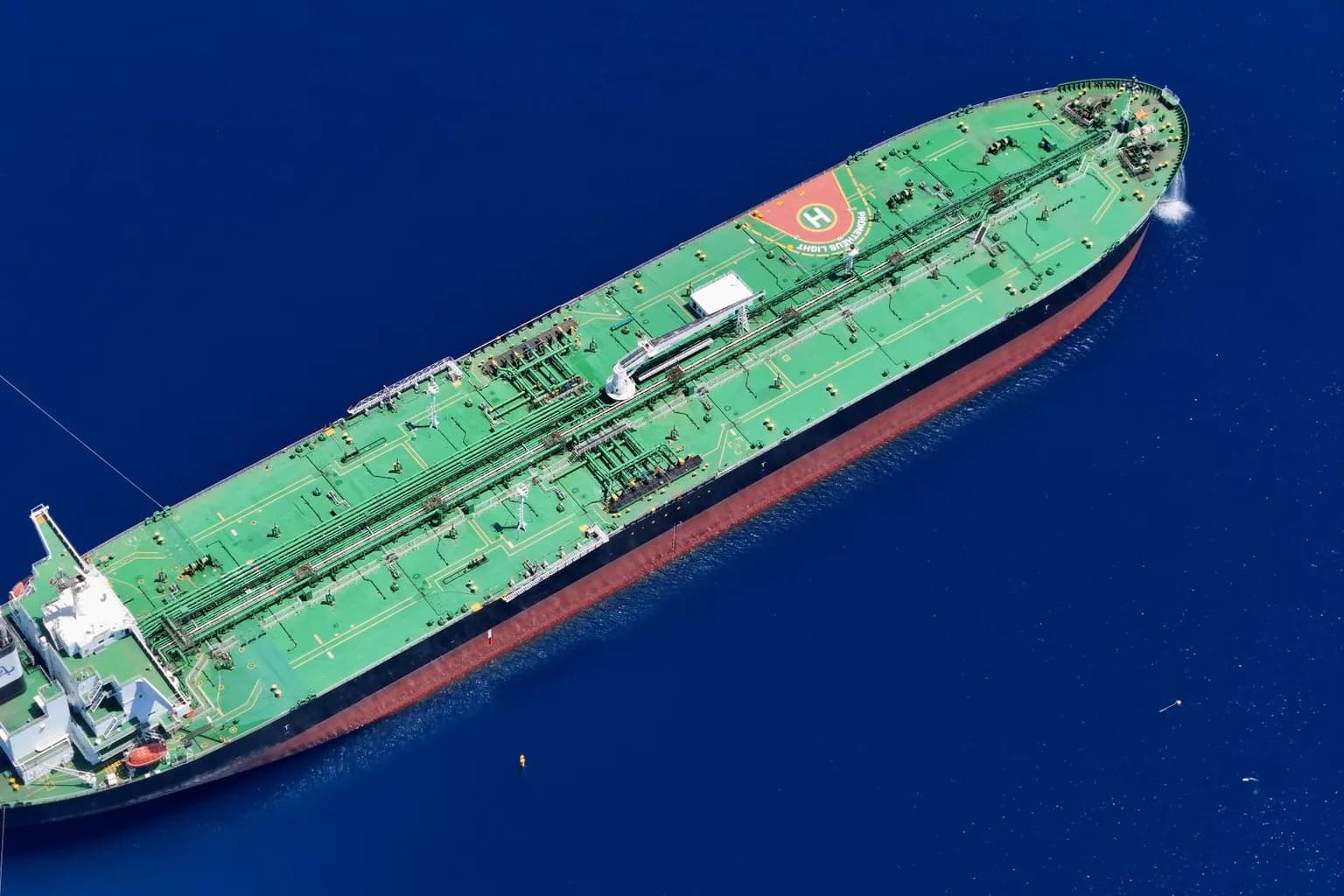
Rising orders for new crude carriers have yet to resolve the squeeze on the supertanker market. Of 907 supertankers worldwide, 167 are under sanctions, leaving 740 able to move crude legally. At the same time, almost 40% of the active fleet of large oil tankers, including Aframax, Suezmax and Very Large Crude Carriers, is more than 15 years old.
The figures point to a market in which the headline fleet total overstates the capacity available to mainstream operators. A Very Large Crude Carrier, or VLCC, can carry about two million barrels of oil. Yet the number of legally available vessels is reduced by sanctions, while older ships will eventually need to leave service. The brief does not set out a timetable for retirements, delivery dates for new ships or current utilisation of the legal fleet.
Sinokor is the largest owner by vessel count, with 93 VLCCs. Its supertankers have combined capacity of 28.3m dwt. One in every eight of the 740 legally operating supertankers belongs to Sinokor. The company’s fleet now stands at 93 VLCCs and 162 tankers. MSC took half the company earlier this year.
Newbuilding orders have increased, though the scale of the orderbook remains limited against the fleet it is meant to replace. Tanker orders reached approximately 33 million gross tonnage (GT) in 2024, a ten-year high. Ordering slowed slightly in 2025 to around 20 million GT.
The current tanker orderbook represents only about 17% of the global fleet. It is insufficient to fully replace capacity lost as ageing vessels retire, according to the brief. That leaves the market dependent on whether the current increase in ordering is sustained and how quickly existing ships leave service.
Order data for 2026 indicates a sharper increase in demand for VLCC construction. Signal Group recorded 217 VLCCs ordered so far in 2026, compared with 93 last year. Allied Shipbroking recorded 164 VLCC orders, up from 83. The different totals reflect separate datasets, though both show increased ordering activity.
The sanctioned fleet sits alongside a separate group of vessels described as the shadow fleet. Estimates put that fleet at more than 700 tanker vessels. The available information does not establish what share of global crude movements those ships handle, which vessels face sanctions, or which operators control them.
The State Organization for Marketing of Oil, known as SOMO, separately said there was no link between it and the tanker Binary Star (IMO: 9380570). It said there was “no connection, contractual relationship, or commercial dealing” between SOMO and the vessel, its owning company or its operating company.
The central constraint is therefore broader than the latest order figures. More ships are being ordered, but sanctioned vessels remain outside legal trade and a large share of the active fleet is already ageing. The effect on freight costs cannot be quantified from the available information, but the balance between deliveries, retirements and legal operating capacity will determine whether the supply gap narrows.



Comments (0)