
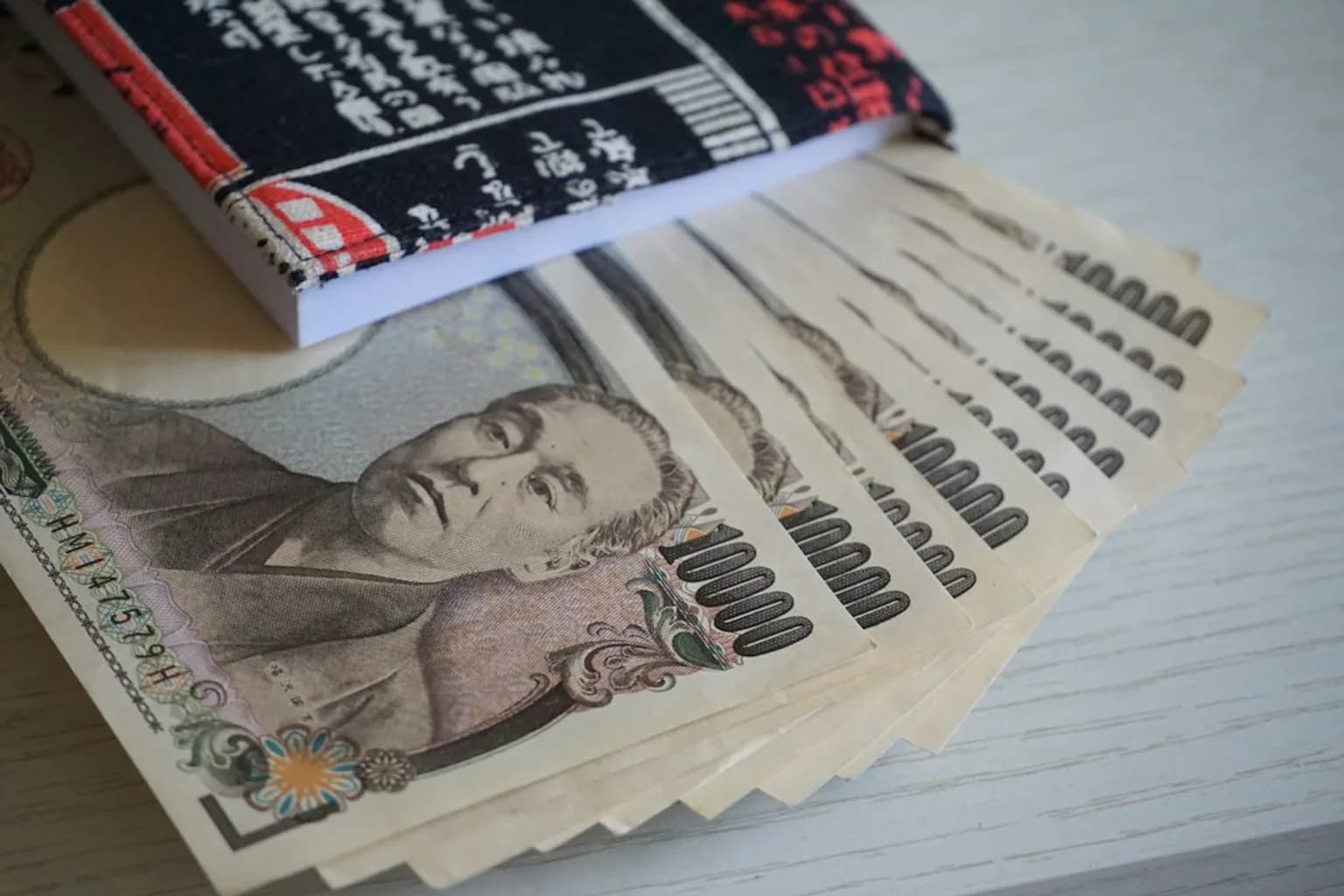
The dollar-yen rate fell from nearly 164 to 155.20 within hours after Satsuki Katayama, Japan’s finance minister, and US Treasury Secretary Scott Bessent led a coordinated intervention. The move proved short-lived in part: after settling at 156.92 on 3 August 2026, the pair had drifted to 159.09 by 10 August 2026.
From 31 July to 2 August 2026, Japan and the US carried out their first coordinated foreign-exchange intervention since 2011. Japan bought yen in the operation. Japan purchased roughly ¥8.45 trillion, about $52.8 billion, while the Treasury’s estimated operation was worth up to $26.3 billion.
The Bank of Japan placed Japan’s orders as an agent for the Finance Ministry, using the government’s foreign-exchange reserves. On the US side, the Treasury made the decision and the Federal Reserve Bank of New York carried it out. The two countries executed their orders simultaneously.
Bessent presented the operation as a matter of regional stability, saying that “a stable yen matters for the United States and matters more for Asia as a whole.” Atsushi Mimura, Japan’s vice minister of finance for International Affairs, called it “This is the completed form of the Japan-U.S. currency alliance.” President Donald Trump described the intervention as a “signal of friendship” toward Japan.
The exchange rate had hovered around 103–110 yen to the dollar from about 2016 until 2021. For decades, Japan held the lowest interest rates among major economies. During the second Shinzo Abe administration, from 2012–20, Japan maintained ultra-loose monetary policy, and its policy rate was at or below 0 percent for a time.
Those rates made the yen a funding currency for carry trades. The Bank of Japan began raising rates in earnest in 2024 to fight inflation and had lifted its policy rate to 1.0% in 2026. US rates had risen far higher, widening the gap that fuelled yen carry trades.
By mid-2026, the yen had fallen to 163 to the dollar, a historic low unseen in 39 years. Japanese officials say intervention is triggered by excessive volatility or exchange-rate moves disconnected from economic fundamentals, rather than a target price.
Japan had already bought ¥11.7349 trillion, roughly $73.6 billion, from 28 April to 27 May 2026, a record monthly total. The joint action showed how quickly aligned official orders could move the exchange rate. Its durability remains unresolved after the yen’s move back to 159.09 by 10 August 2026.




Comments (0)