
Brazil’s inflation rate returned to the ceiling of the central bank’s target band after a temporary electricity discount faded, 16 days before a presidential runoff. On Friday, 9 October, the statistics agency IBGE reported that the 12-month consumer price index had reached approximately 4.5%, the upper limit of the central bank’s 3% target with a 1.5-point tolerance band.
The reading was up from 4.22% in August. The Ibovespa rose 0.94% to 206,220 points after the data was released.
Electricity was central to the shift. Residential electricity prices surged 7.42% in September, following a 6.25% fall in August, and added 0.29 percentage points to the September headline figure.
August’s fall had reflected a one-off surplus credit from the Itaipu hydroelectric plant, which temporarily reduced power bills. The monthly consumer price index closed August at -0.32%, its steepest monthly decline since August 2022, driven largely by a 7.63% drop in electricity prices.
Fernando Gonçalves, who heads the survey at IBGE, said the August index would have risen 0.01% if electricity’s effect had been excluded and its weight spread across the other components.
Food prices offered little relief. Tomatoes rose 20.76%, while rice added 2.39% and beef rose 1.30%.
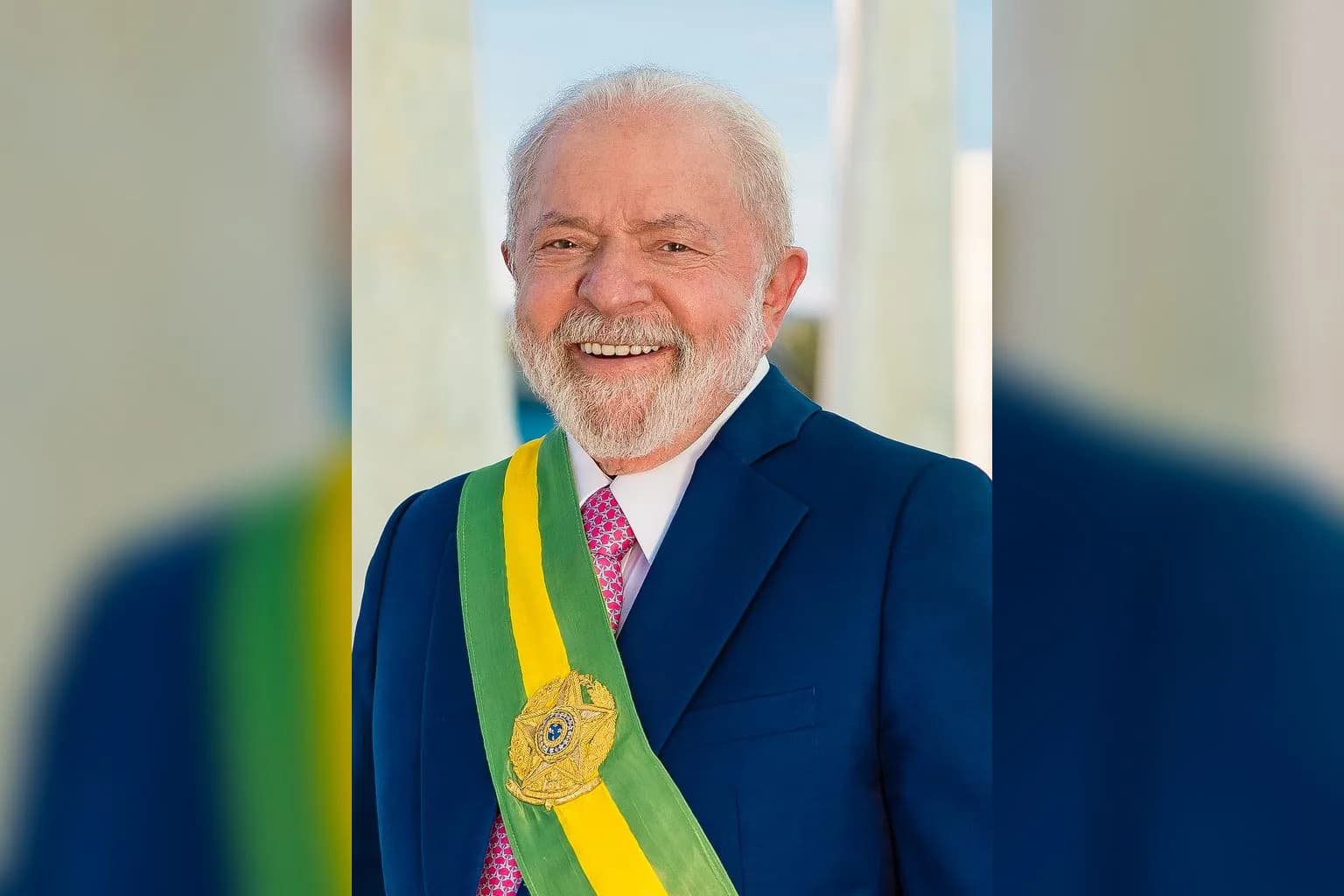
The data arrives during a campaign in which Flávio Bolsonaro is challenging President Lula, with anger over the cost of living serving as the sharpest weapon in Bolsonaro’s campaign.
The central bank has been cutting interest rates since April, bringing the Selic benchmark down from 14.75%. On 16 September, the directors of Copom, the central bank’s rate-setting committee, lowered it from 14.00% to 13.75%, the fifth consecutive reduction.
Prediction markets put the probability of another quarter-point reduction at 89.5% at Copom’s 3–4 November meeting.
The rate decision comes with a wider argument over who should direct economic policy. Between 2019 and 2022, the prior administration approved reforms including pension reform, the Economic Freedom Law, a new sanitation framework, formal autonomy for the Banco Central, a new gas framework and a new railway framework.
Lula has criticised the formal autonomy granted to the central bank in 2021. During a TV Record interrogation, he said the elected governor should have power to interfere in the conduct of the economy, and argued that the autonomy model had failed to resolve the country’s economic problems.
He has also associated central bank independence with greater attention to financial-market interests than to the needs of the population.
Roberto Campos Neto was nominated by the Jair Bolsonaro administration and served under Lula during the first two years of his third term.
The immediate issue for voters is more mundane: electricity bills and the price of food. The larger question for the next government is how it will manage those pressures while formal central bank autonomy remains in place.





Comments (0)