
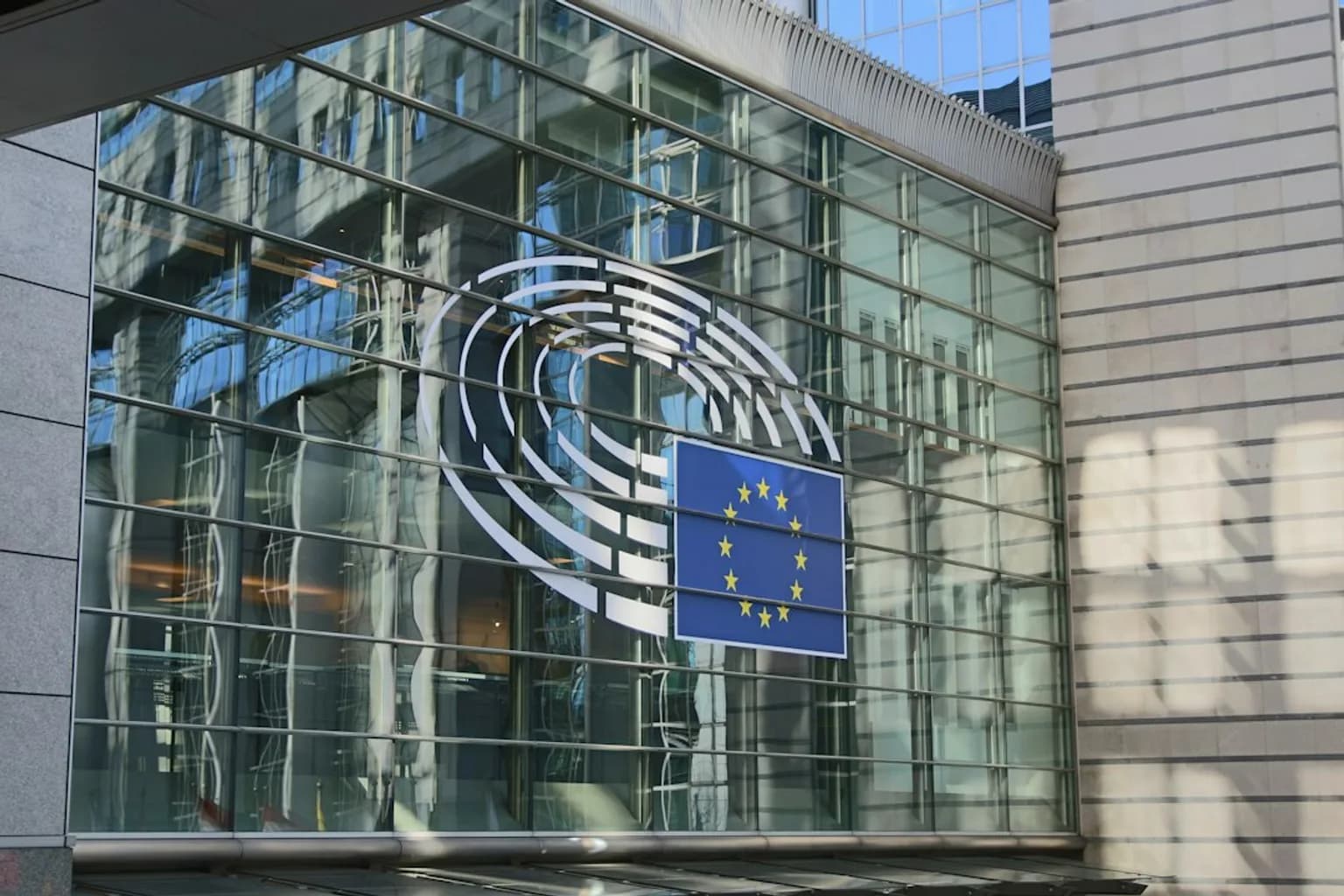
Dan Jorgensen, the EU energy chief, met energy ministers from the bloc’s 27 nations earlier this week while arguing for a year’s delay to planned methane rules for imported oil and gas. The proposal, made under pressure from France and industry lobbyists, would move the intended start from 1 January 2027 to 1 January 2028.
The EU has proposed the one-year postponement, though some industry groups and member states want three years. The proposal has yet to settle that wider dispute.
Since 2024, member states have had to measure, report and check methane emissions, while ensuring efforts to curb them, including finding and repairing leaks.
Eurogas and 20 other companies and organisations say the rules should be delayed because ‘key accreditation, verification and certification frameworks are still not fully in place, compliance solutions remain under development, and significant uncertainty [remains]’.
The argument comes as Europe enters winter with its lowest gas stocks on record. Record-breaking heatwaves also gripped Europe this summer, leading to at least 35,000 excess deaths.
Methane accounts for about 30 per cent of the rise in global temperatures since the Industrial Revolution.
The scale of the issue is particularly relevant to US supplies. The US provided around 58% of EU liquefied natural gas imports in 2025, and the EU bought 76 billion cubic metres of American gas last year. US LNG has a methane intensity of 1.2%, six times the OGCI’s 0.2% benchmark.
Across the EU’s main suppliers, around 29% of potential methane cuts from fossil-gas operations could come at a negative net cost. The share reaches 49% when zero- and near-zero-cost measures are included.
CCAG, citing Rystad Energy modelling for the Clean Air Task Force, estimates compliance would cost about €0.07 per MMBtu, or 0.3 per cent of the current gas price. Sir David King, CCAG’s chair and a former UK Chief Scientific Adviser, said measuring imported gas would cost a tiny share of its sale price and that households would barely notice the effect if every cost were passed on.
In that scenario, the cost would add around €3 a year to a typical household gas bill.
The International Energy Agency estimates that around 200 billion cubic metres of gas a year could be captured and sold. The proposed delay would give importers more time to prepare for verification requirements, while putting off the rules intended to reduce methane from their supplies.



Comments (0)