
The European Commission’s plans for Ukraine’s route into the EU put one of the bloc’s most sensitive budgets at the centre of the membership debate: whether Ukrainian farmers would receive the same subsidies and market access as their European rivals. On 6 October 2026, the Commission published enlargement proposals with concrete roadmaps for Ukraine, Moldova, Montenegro and Albania. They tied financial benefits more closely to legal, anti-corruption and financial reforms.
For Ukraine, the proposed terms could mean limits on access to agricultural subsidies and the EU food market even after accession, according to an internal Commission document cited by the Financial Times.
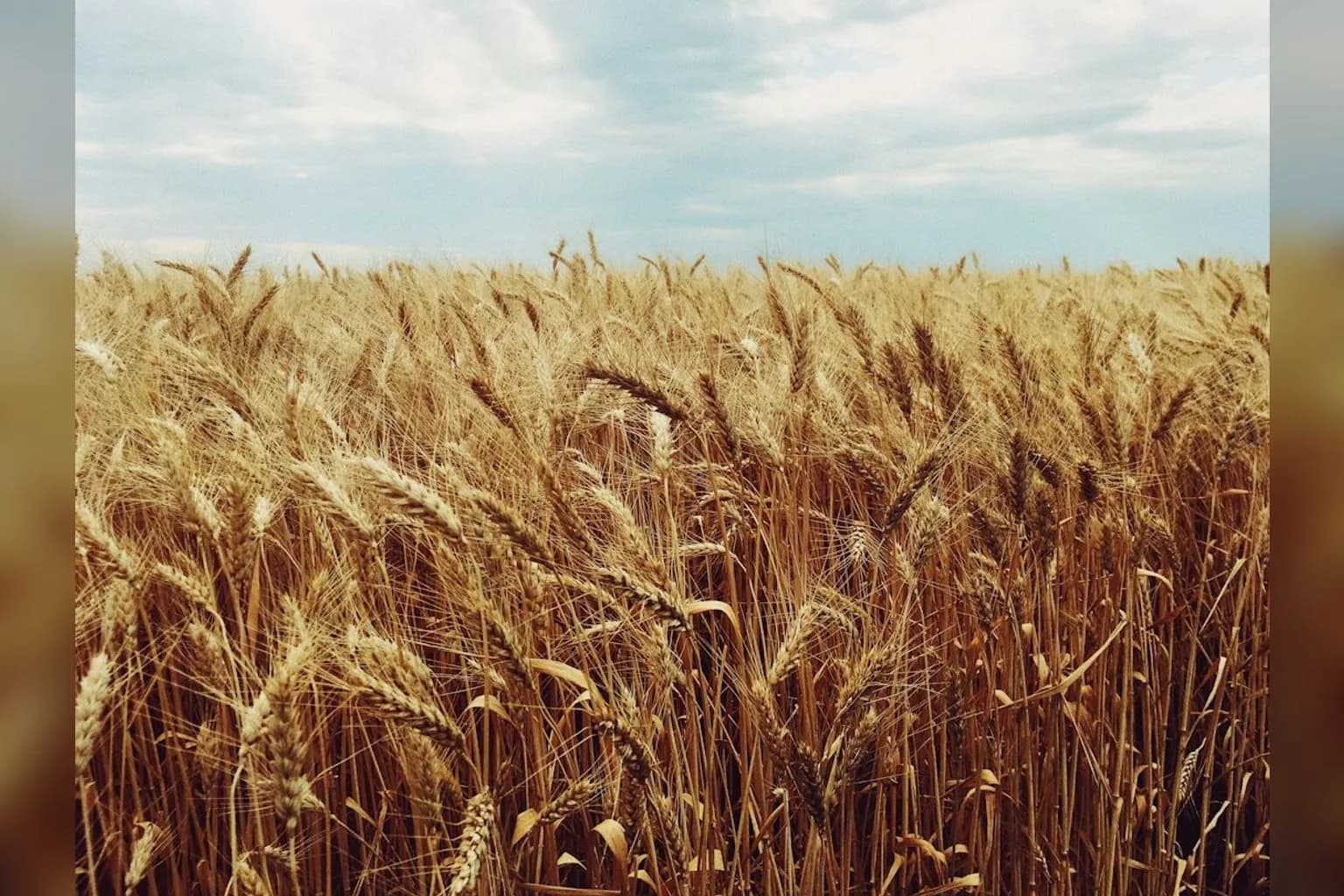
Brussels is trying to reassure Poland, France and Italy, whose agricultural producers fear that a large flow of Ukrainian grain would damage their farmers’ position. Ukraine has about 30 million hectares of farmland, roughly a quarter of the EU’s total, and the Commission document cites the sector’s “very high productivity” in arguing for limits on support and market access for products including wheat and grain.
The Commission’s document says “targeted arrangements should significantly limit financial support and market access for sensitive agricultural products” in Ukraine’s case. In return, Brussels would support efforts to restore Ukraine’s access to traditional export markets outside the EU that were disrupted by Russia’s war.
The problem has been building since Russia’s 2022 invasion of Ukraine gave fresh momentum to EU enlargement and led the bloc to lift tariffs and quotas on Ukrainian agricultural products to support the wartime economy. Cheaper Ukrainian grain and oilseeds then entered EU markets, prompting farmers’ protests, particularly in Poland, Romania, Hungary, Slovakia and Bulgaria.
Poland, Hungary and Slovakia unilaterally banned imports of several Ukrainian agricultural products in 2023 amid disputes over market disruption. The EU began bringing back restrictions on some Ukrainian goods in 2024, then ended its preferential trade arrangement on 6 June 2025 and restored prewar duty-free import quotas.
The budgetary pressure is equally large. The EU allocates 55 billion euros a year to agricultural support. Under current Common Agricultural Policy rules, Ukraine would likely become the largest single recipient after joining. Earlier media estimates projected €96.5 billion in Common Agricultural Policy payments for Ukraine over a seven-year period, with total EU budget receipts of up to €186 billion.
The Commission proposes that new members’ access to subsidies should depend on reforms and on fulfilling commitments made at the point of entry. Its wider enlargement plans could also include safeguards on voting rights and access to EU subsidies.
Ursula von der Leyen, the Commission president, said: “As enlargement countries advance on their path of reform, the EU must be ready to welcome them.”
Marta Kos, the enlargement commissioner, said: “These countries have shown significant progress in terms of readiness over the last years.”





Comments (0)