
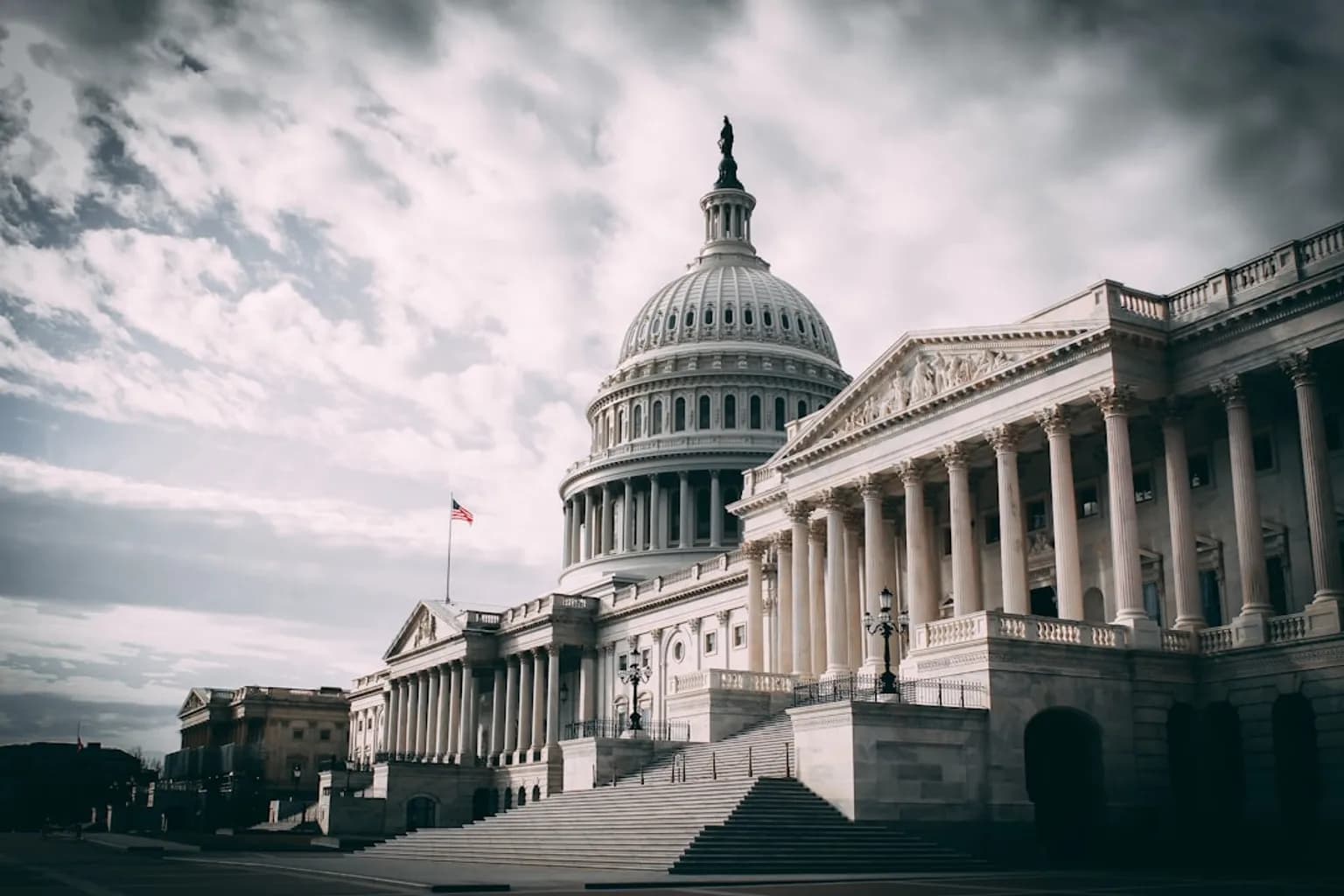
President Donald Trump is facing bipartisan resistance in Congress over the prospect of easing sanctions against Russia, with four U.S. representatives warning that relief would strengthen Moscow and extend the war.
Democratic Representatives Marcy Kaptur and Mike Quigley, joined by Republican Representatives Brian Fitzpatrick and Joe Wilson, urged Trump on Sept. 29 to maintain pressure on Moscow. Their intervention comes as the administration considers offering sanctions relief in return for the release of political prisoners.
The proposal, first reported by the Atlantic, would pair pressure on Moscow to free political prisoners with an easing of sanctions and the restoration of some economic ties with Russia. Washington is considering the approach as leverage to encourage Russian steps towards ending the war.
The lawmakers argued that sanctions relief would embolden Russia and prolong the conflict. Their position puts them at odds with some U.S. officials, who see an easing of sanctions as a possible incentive for Russia to agree to a ceasefire.
The dispute has emerged soon after Congress passed its most significant Russia sanctions legislation since 2017, two weeks before Sept. 29. Trump signed the measure, the Lindsey O. Graham Sanctioning Russia and Iran Act, on Sept. 19.
The act authorises the president to impose tariffs of up to 100% on the five largest buyers of Russian oil. Trump said on Sept. 22 that he would use those tariff authorities if necessary to help end Russia's war against Ukraine.
The first deadline under the Lindsey O. Graham Sanctioning Russia and Iran Act falls on Oct. 18. That timetable places the administration's consideration of possible relief alongside recently granted authority to increase pressure on buyers of Russian oil.
Sanctions relief has become one of Moscow's main objectives. The administration's reported proposal reflects an effort to use that objective in negotiations over political prisoners and a possible ceasefire.
It remains unclear whether the administration will pursue the proposal, what terms or timetable any relief might involve, or whether Congress will seek legislation to limit the president's ability to grant it. The administration had not issued a formal response to the lawmakers' intervention in the information available.



Comments (0)