
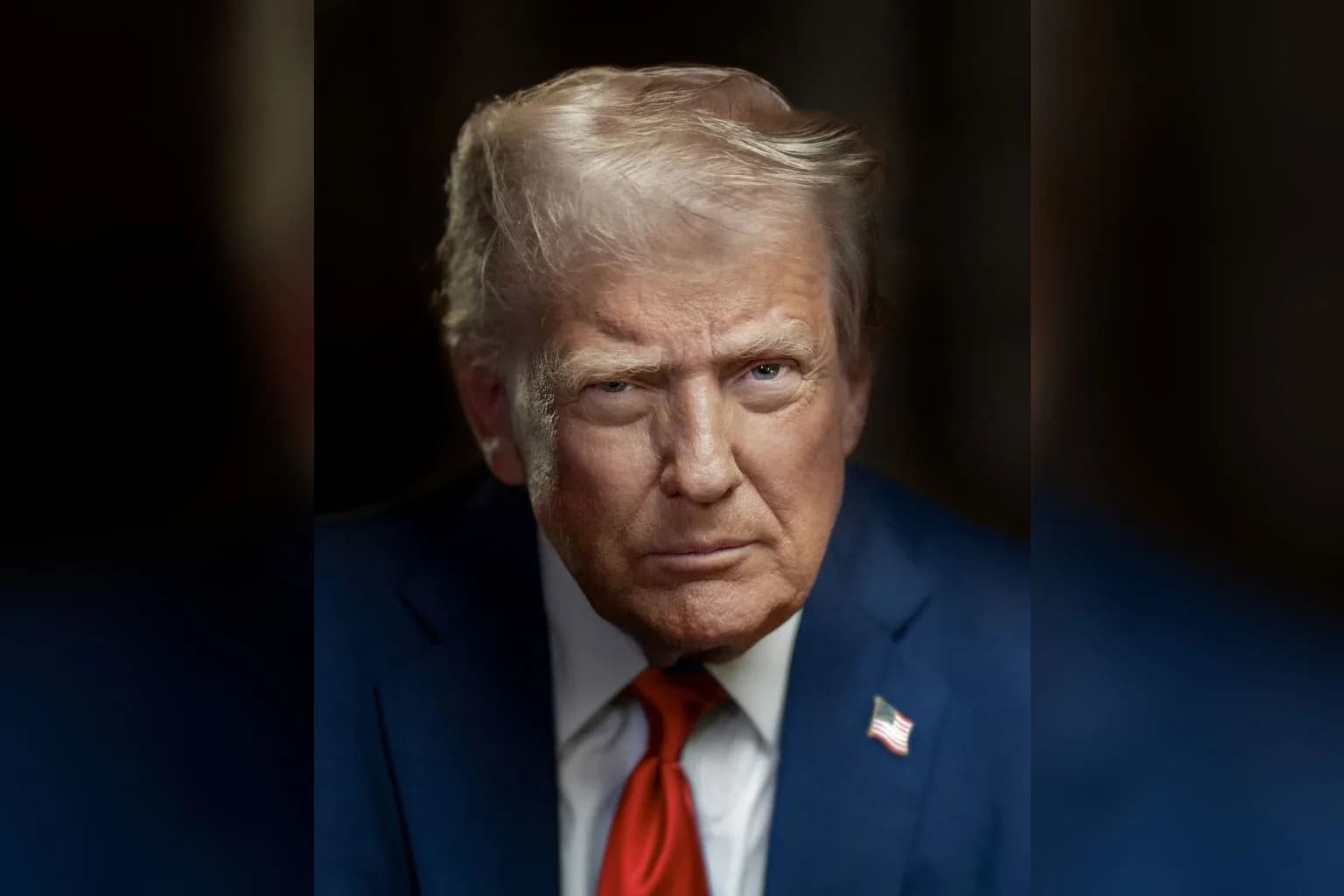
President Donald Trump has approved a proposal to ease sanctions on Russia in return for the release of political prisoners, pursuing an opening with Moscow that does not require an end to the war in Ukraine.
The approach was put forward by John Coale, the special envoy, and is intended to break the deadlock in talks between Russia and the United States. It would allow Washington to offer the Kremlin sanctions relief and a return to trade deals in exchange for prisoner releases.
The proposal would give Vladimir Putin a route to demonstrate goodwill and diplomatic progress with the United States while Russia continues its strikes on Ukraine. It separates humanitarian negotiations from the wider question of ending the war, leaving unresolved whether Moscow has formally responded to or accepted the plan.
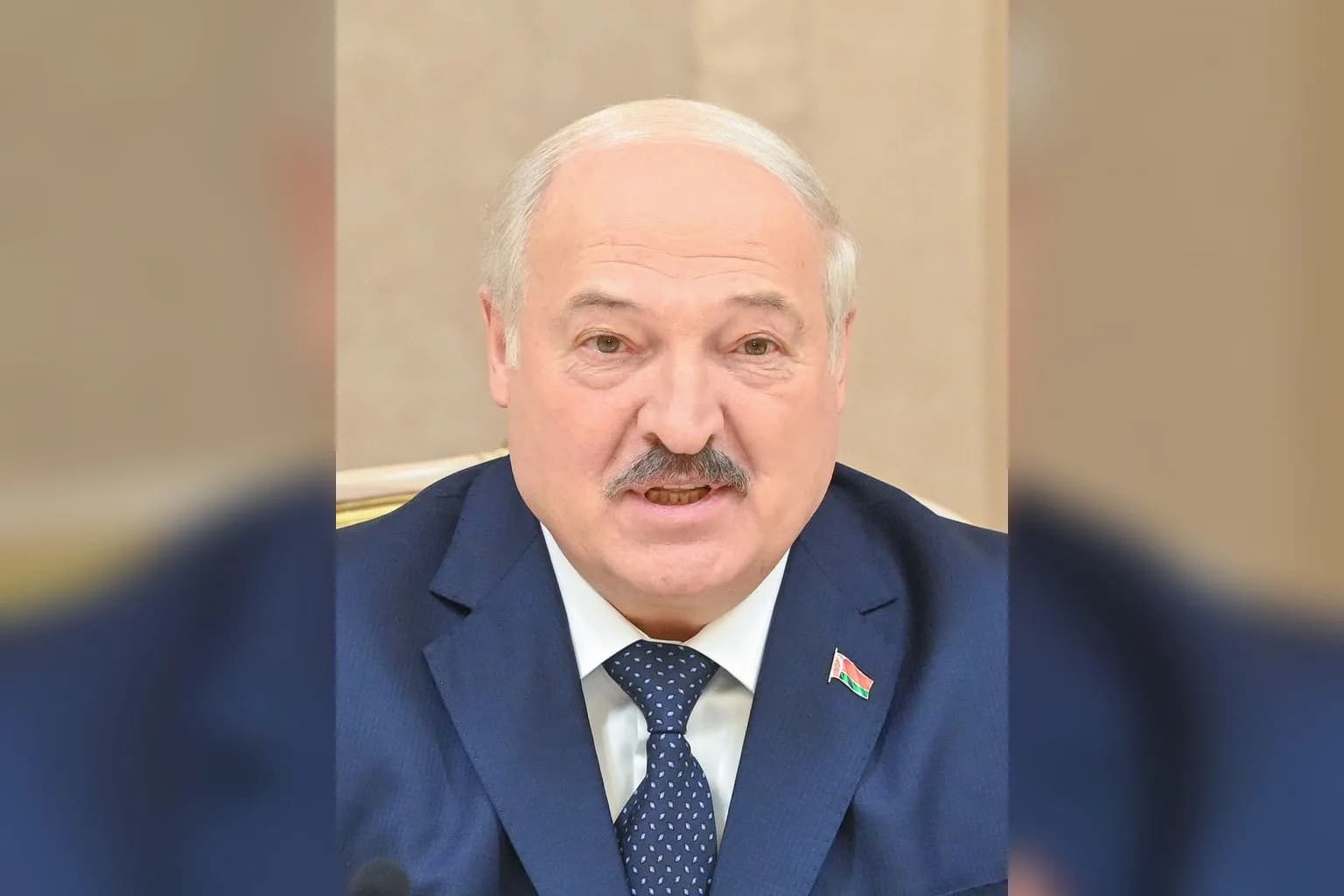
Coale has previously used sanctions relief in negotiations with Belarus, where he secured the release of about 500 political prisoners. Dmitry Muratov, the former editor-in-chief of Novaya Gazeta and a Nobel Peace Prize laureate, suggested that Coale apply the Belarus approach to the Kremlin.
Coale and Muratov have drawn up a list of Russian political prisoners, journalists and others convicted for opposing the war. Coale also has a list of Americans held in Russian prisons whose cases Washington could raise in later negotiations. The specific number and identities of the Russian prisoners sought under the proposal have not been disclosed.
The diplomatic effort is running alongside economic discussions involving Belarus. Washington and Minsk have begun discussing a major agreement to buy Belarusian potash. Coale said Russia is involved because European sanctions mean Belarusian potash would have to be exported through Russia.
“Economic ties usually result in normality,” Coale said.
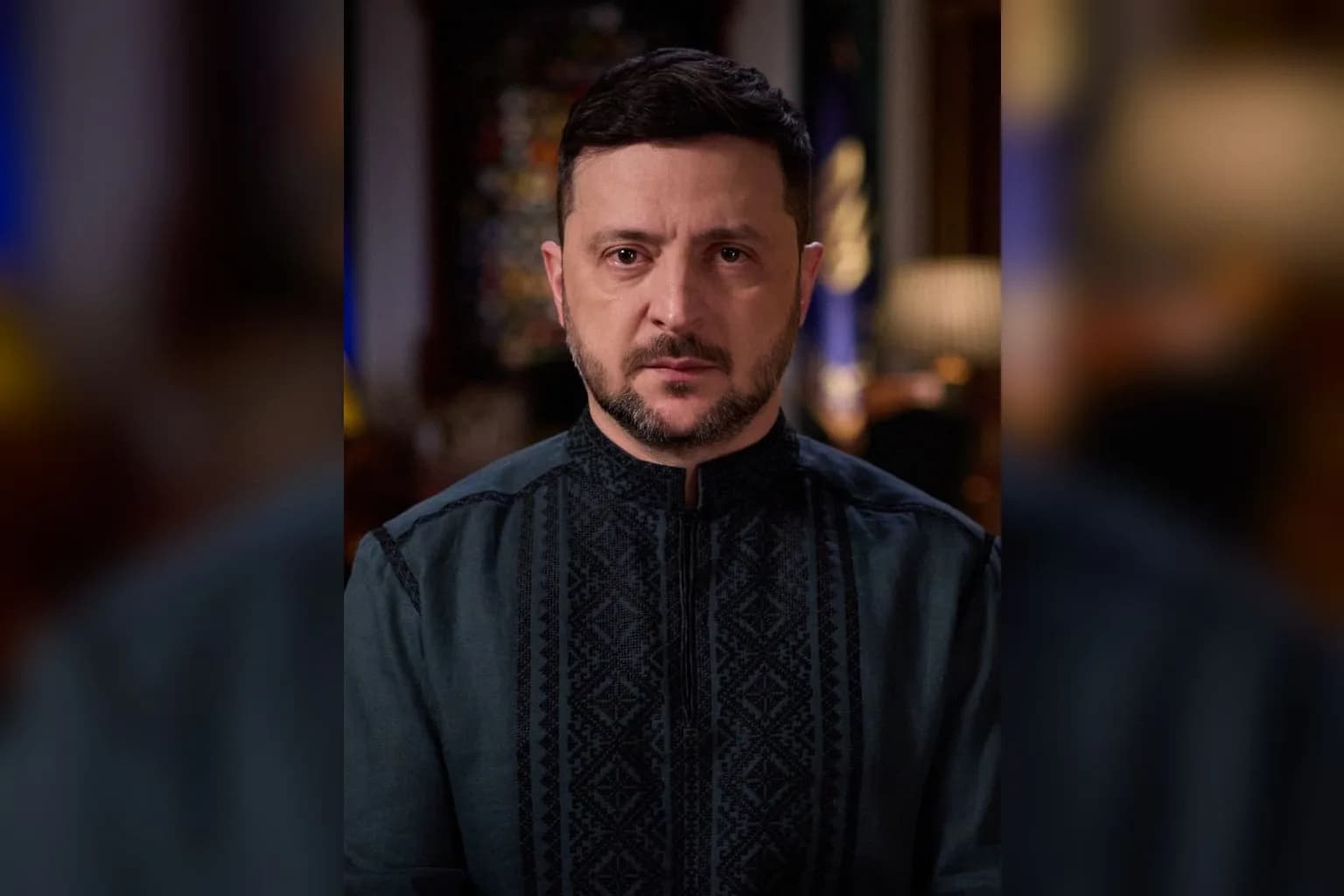
The plan has drawn opposition from President Volodymyr Zelensky, who told Shuster that he would do his best to “block” any effort to lift sanctions on Russia before the war ends. His position places Ukraine at odds with an approach that would offer Moscow relief while military operations continue.
Svetlana Tikhanovskaya, the Belarusian opposition leader, has also warned against trading sanctions relief for prisoner releases. She believes such deals could encourage authorities in Russia and Belarus to take more hostages.
It remains unclear when any sanctions relief might be implemented, what form a return to trade deals could take, or whether the United States has coordinated the approach with Congress. The financial terms and volume of any Belarusian potash agreement have also not been disclosed. There is no indication of formal responses from US allies beyond Ukraine.

Comments (0)