
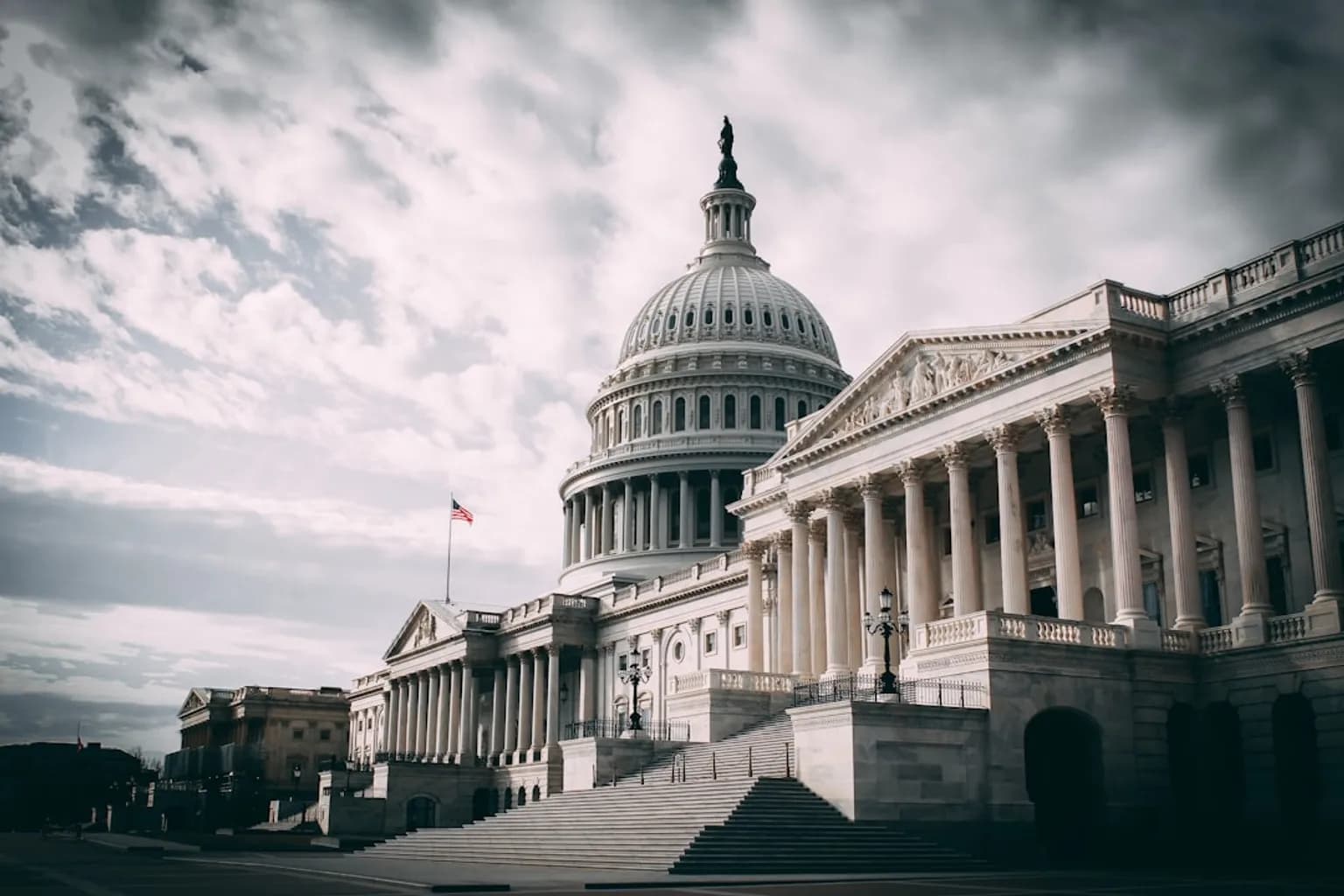
The House passed a broad sanctions package against Russian officials and central parts of the Russian economy on Wednesday, sending legislation named for the late Sen. Lindsey Graham of South Carolina to President Donald Trump.
The measure cleared the House by 262-159. It was backed by 203 Republicans, 58 Democrats and one Independent. Seven Republicans and 152 Democrats opposed it.
The legislation now goes to Trump for his signature. It is described as all but guaranteed to receive his approval, though he has yet to sign it into law.
The bill reflects Congress’s first bipartisan legislation assisting Ukraine since an aid package passed in April 2024. It ends a nearly two-year lull in congressional assistance for Ukraine. Congress had passed no major Ukraine effort since the 2024 emergency aid package.
Lawmakers are using the sanctions to seek to deny President Vladimir Putin the financial resources needed to continue the war against Ukraine. The bill combines restrictions aimed at Russian officials and banks with measures directed at the energy revenues that help sustain Russia’s economy.
It also directs Trump to impose tariffs of up to 100% on the top five importers of Russian oil or natural gas. The tariff authority draws on Trump’s stated preference for tariffs as a policy tool.
An exception applies to countries that import less than 15% of Russia’s natural gas exports and have taken significant steps to reduce those imports. The legislation does not set out in the available details which countries would face tariffs, when tariffs would take effect, or how countries would establish eligibility for the exception.
The package sanctions a shadow fleet of tankers used to keep Russian energy moving. The provision is intended to reach vessels used to circumvent existing oil and gas sanctions. It also includes new sanctions against collaborators in Moscow’s defense industry.
The bill further extends sanctions on Iran. Taken together, its provisions target Russian officials, financial institutions, energy infrastructure and those supporting Moscow’s military industry.
Graham spent more than a year negotiating the legislation before his death. Naming the bill after him recognises his role in assembling a measure that won support across party lines after a prolonged period in which major Ukraine assistance had stalled in Congress.
The House vote gives the bill a route to enactment if Trump signs it. Its central purpose is to increase the economic pressure on Russia by targeting the people, institutions and energy networks that lawmakers say provide the means to wage the war in Ukraine.


Comments (0)