
The Trump administration is moving $52 million in foreign military financing from Slovakia, North Macedonia, Tunisia and Iraq to Panama, Peru, Ecuador and Colombia, redirecting security assistance towards the Western Hemisphere.
The State Department notified Congress of the reprogramming on Tuesday. Foreign military financing uses U.S. taxpayer dollars to help recipient governments buy military equipment from American defence contractors.
The department said the existing allocation of financing does “not align with the administration's prioritization of” the Western Hemisphere. It said the money would help “combat narcoterrorism in our backyard and help continue to secure the Panama Canal.”
In a further statement, the department said: “These funds will prevent adversaries from establishing strategic footholds in our hemisphere.” The language was a veiled reference to China, whose influence in Latin America the administration has cited as a reason to deepen US security ties in the region.
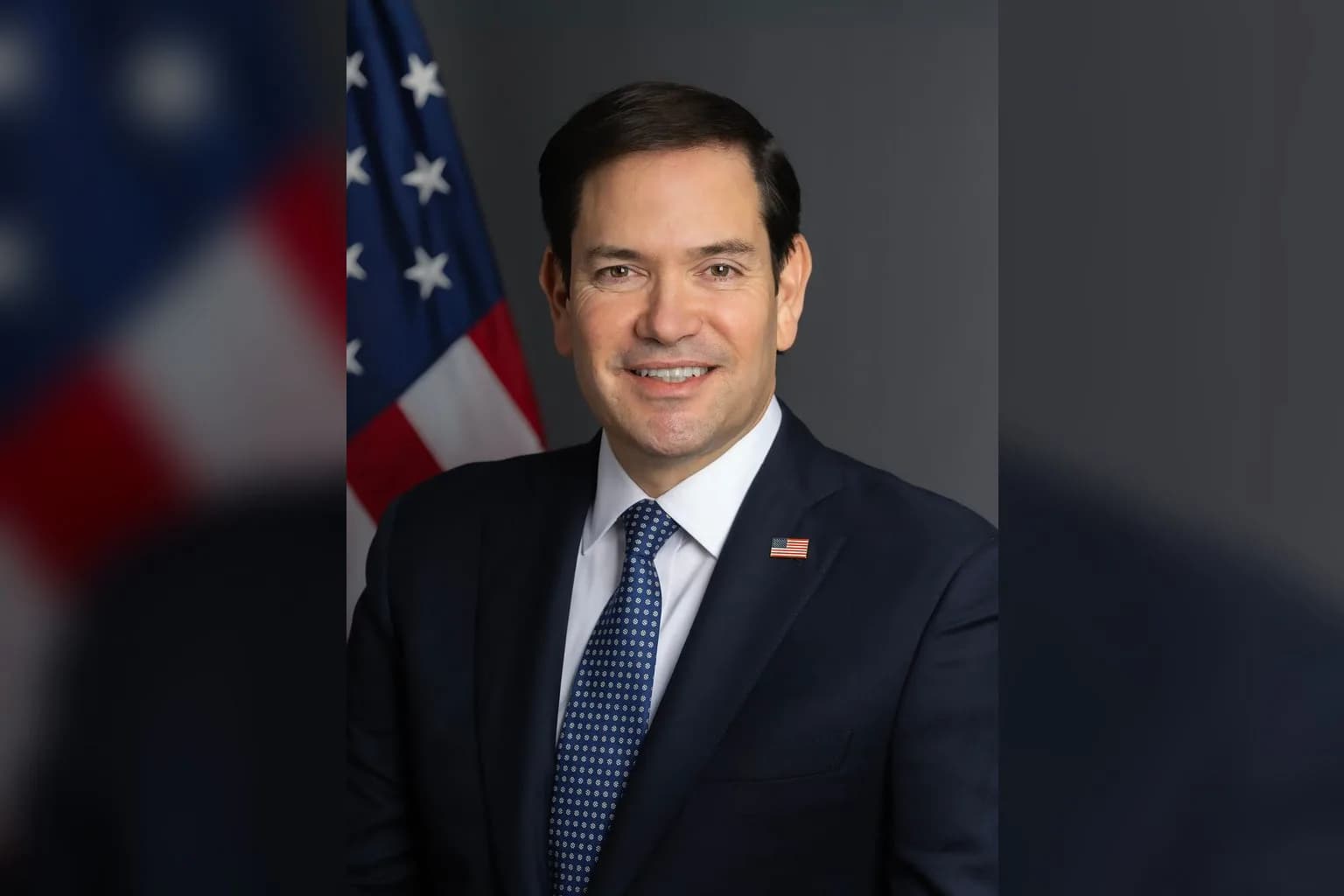
Secretary of State Marco Rubio visited Colombia, Ecuador and Peru last week, when he promised additional support. The amount of support he pledged beyond the $52 million reprogramming has not been specified.
The funding change is part of a wider foreign-policy focus on the Americas. The administration has made action against drug trafficking and illegal immigration central to its approach to the Western Hemisphere. President Donald Trump has also celebrated a renewal of the 19th century Monroe Doctrine, which established Washington’s dominance in the Americas.
The shift comes as the administration has reduced either funding or troop deployments in Europe. Trump has repeatedly complained that NATO allies do not spend enough on their defence budgets, and the reductions have followed those disputes.
Slovakia, North Macedonia, Tunisia and Iraq will retain some foreign military financing, according to the State Department. The reprogramming does not end the programme for those countries. The precise amounts that will remain available to each were not immediately clear.
It was also unclear when the $52 million would reach Panama, Peru, Ecuador and Colombia, how it would be divided among them, or what arrangements would govern its use. The State Department has not set out long-term funding plans for either the countries losing funds or those receiving them.
The administration has paired the military financing shift with wider economic, diplomatic and military pressure in the region. In the summer of 2025, it imposed 50 percent tariffs on Brazil’s products and canceled the visas of eight Brazilian supreme-court justices.
Trump also ordered U.S. Special Forces to seize President Nicolás Maduro and his wife from Venezuela. The administration has exploited Venezuela’s oil.
The administration’s National Security Strategy says the US will “reward and encourage the region's governments, political parties, and movements broadly aligned with our principles and strategy”. The document implies that other governments in North and South America should comply with the demands of American officials or companies.
The reallocation therefore gives immediate financial effect to a broader strategy: directing military support to selected Latin American partners while using economic, diplomatic and military tools to press for alignment with US interests.





Comments (0)