
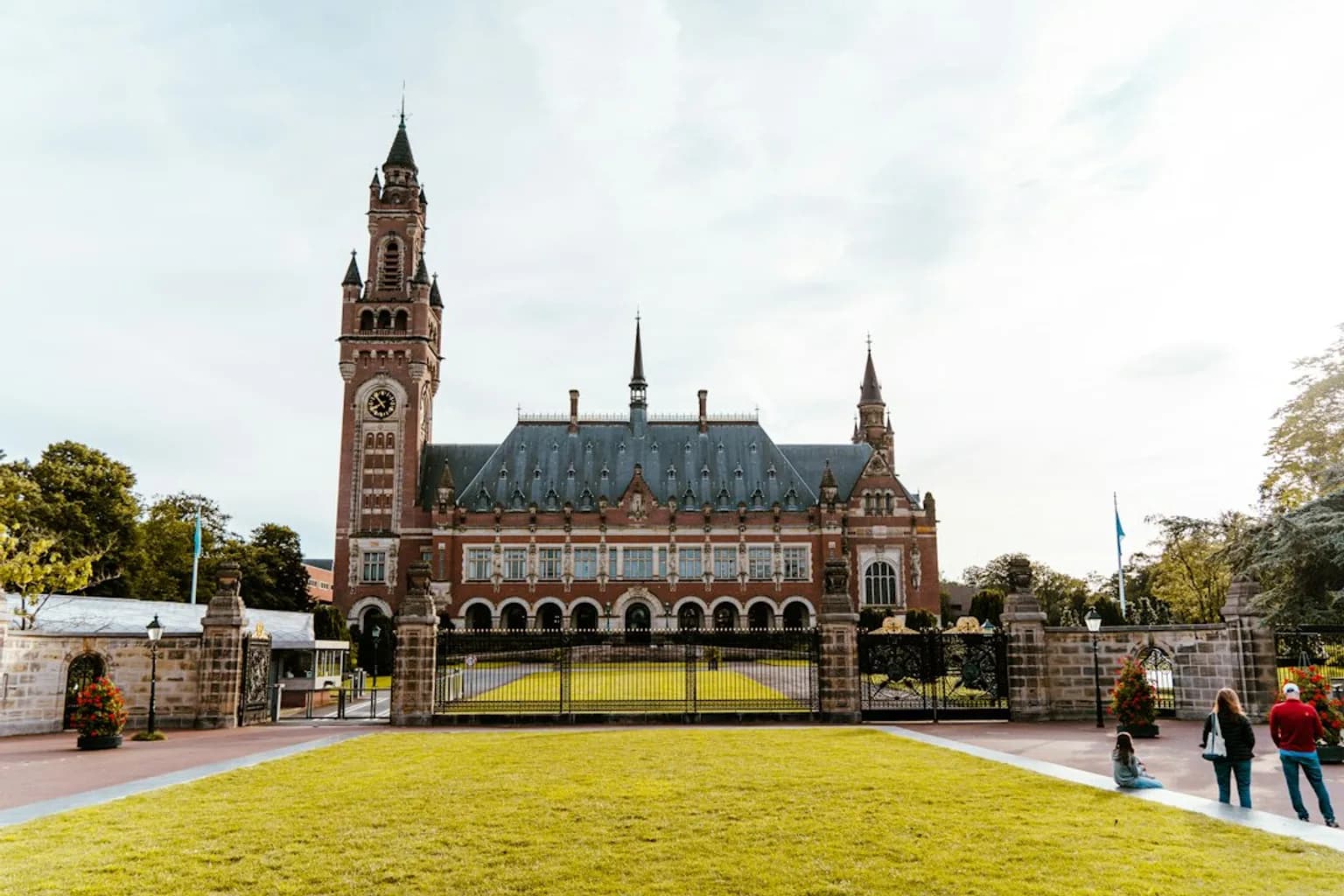
Marco Rubio announced in a video statement on Friday that the Trump administration was imposing sanctions on the International Criminal Court, escalating a campaign that has already targeted many of its judges and senior officials. The US secretary of state said: “President Trump will never allow the International Criminal Court to prosecute Americans.”
Rubio also issued a direct threat to the court, saying: “Either the ICC will end its threats, or we will end the ICC.”
The measures freeze ICC assets held in the United States. They give US companies and individuals six months to wind down business with the court, while barring US entities from transactions with it and restricting entry and visas. US companies are also barred from supplying services or goods including banking and software.
For the European Union, the immediate question is whether it can protect a court based in The Hague from the practical force of those restrictions. The EU called the sanctions “deeply regrettable” and said it was “ready to take any necessary measures to enable the court to carry out its work.”
One option under consideration is a legal instrument called the “blocking mechanism”, which prevents European firms from complying with US sanctions.
The dispute reaches back to the ICC’s 2024 arrest warrants for Israeli leaders. Earlier US measures had been directed at half of the court’s 18 judges and much of its leadership, including its president and chief prosecutor.
The latest sanctions were announced hours after Navi Pillay, a founding ICC judge, received the 2026 Nobel Peace Prize.
Rob Jetten, the Dutch prime minister, said at his weekly press conference on Friday that the Netherlands and Europe would defend the court “stone by stone”. He warned that “far-reaching” US sanctions would “really affect relations between the U.S. and Europe.”
The Netherlands hosts the ICC in The Hague and is preparing measures intended to help the court remain in operation. Dutch Foreign Minister Tom Berendsen said the country would continue to support the court as its host, while warning that the sanctions would seriously affect its ability to function.
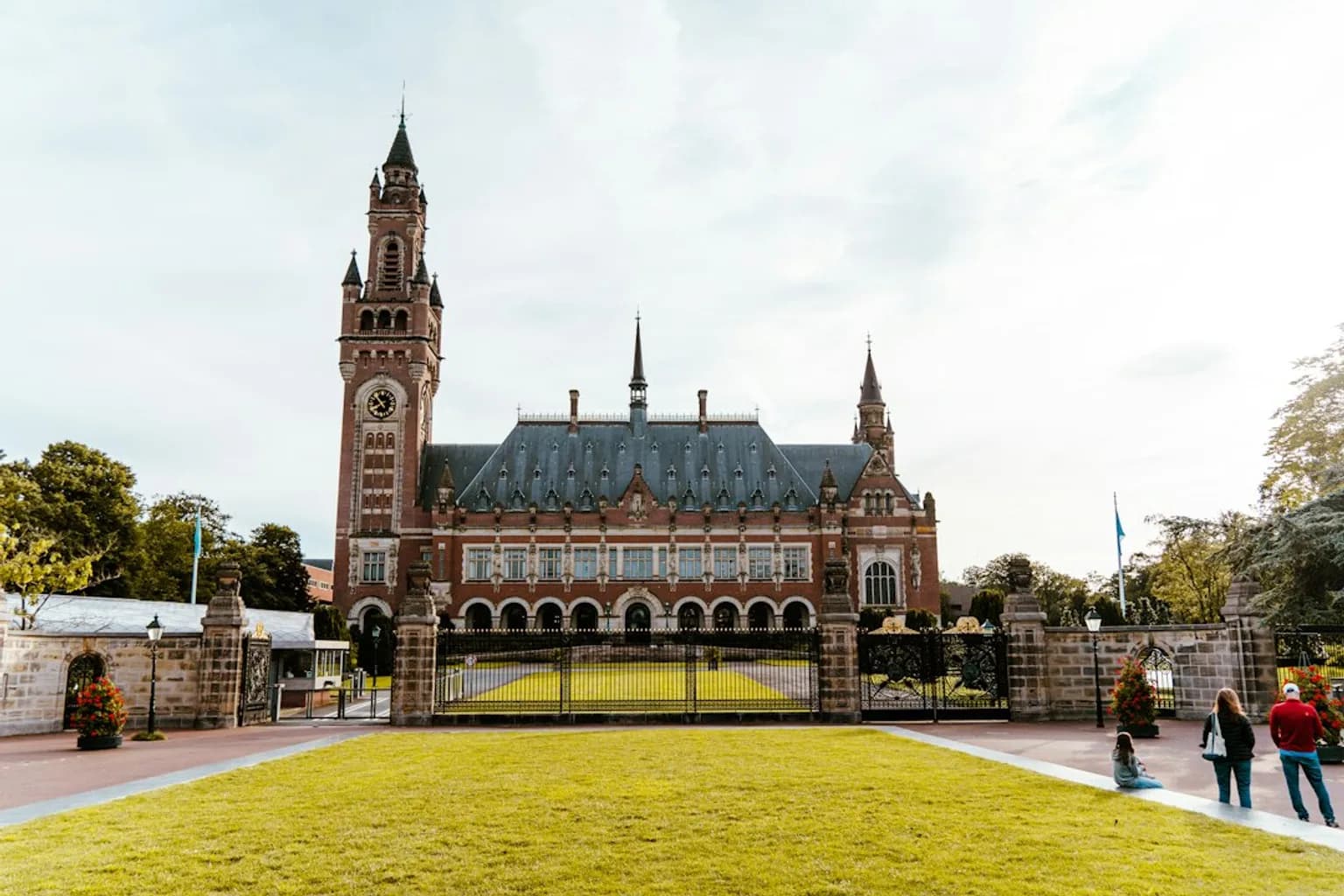
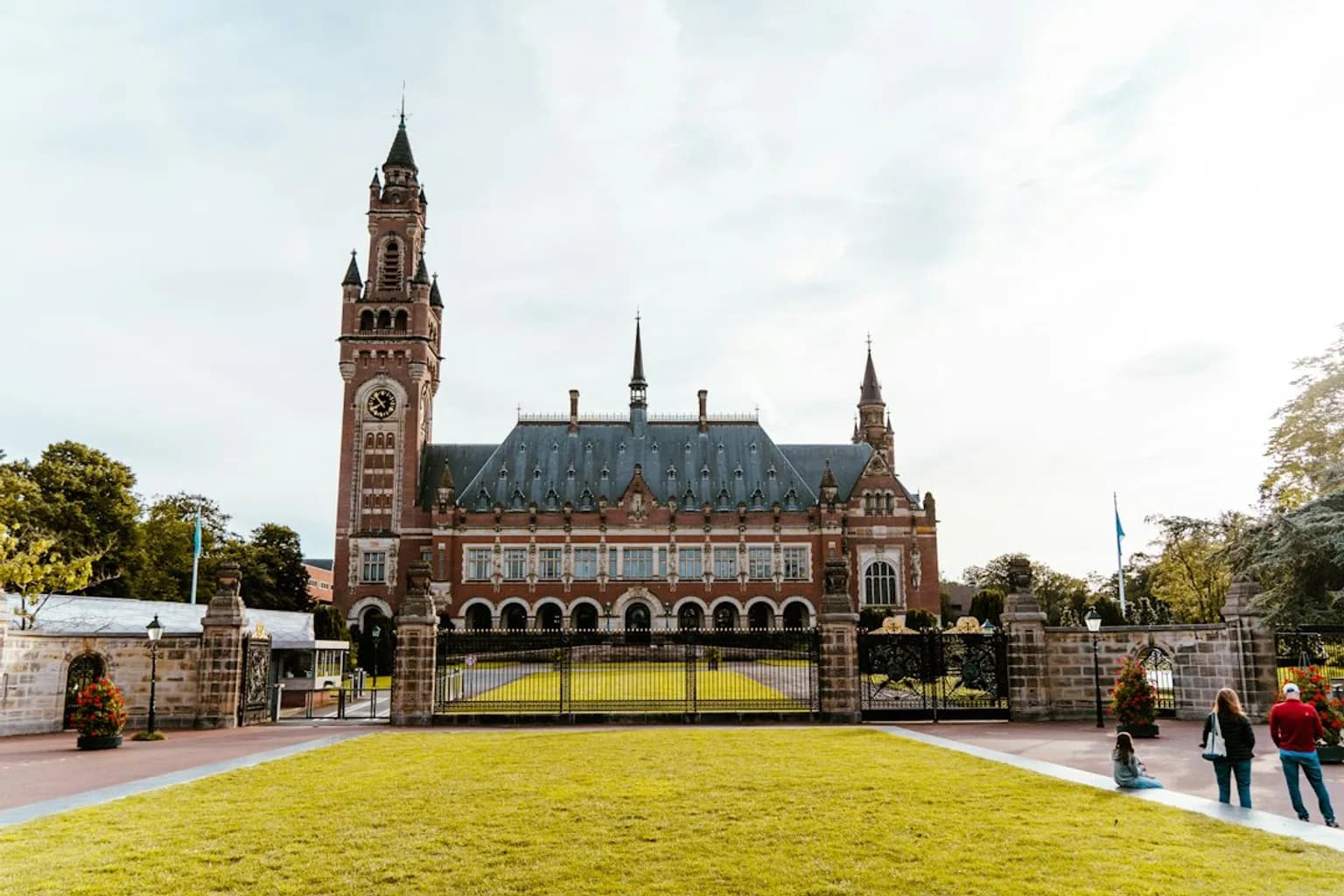
The court is headquartered in The Hague, where it has conducted trials involving war crimes, crimes against humanity, genocide and the crime of aggression since its founding. Its about 900 employees face potential disruption to witness protection and other essential work.
The ICC has already sought to reduce its exposure to the US measures by replacing American software and financial providers.
Kimberly Prost, an ICC judge, told the Dutch newspaper NRC in September that earlier sanctions had severely disrupted her life and cut her off from US services, including her credit cards.
Tomoko Akane, the ICC president and a person on the US sanctions list, said the court would “continue to fully discharge its mandate, with independence and impartiality, acting only on the basis of the law and the evidence, for the sake of the countless victims of grave crimes.”
The court said: “When judicial actors are threatened for applying the law, it is the international legal order itself that is placed at risk.”
Antonio Costa, president of the European Council, said: “The justice, international justice, is the only alternative to revenge.” He pledged support for the ICC, its independence and its members and staff.
The UK, Canada, Denmark, Germany, France, Italy, Japan and the Netherlands reaffirmed their “continued and unwavering support” for the ICC. They said they “regret and strongly disagree with” the sanctions.
UN Secretary General Antonio Guterres called the decision “a serious blow to our collective pursuit of international criminal justice, of which the ICC is a key pillar.”
Israeli Prime Minister Benjamin Netanyahu welcomed the move. In a post on X, he wrote: “The ICC is not a court. It is a political body that poses a mortal threat to law abiding democracies worldwide.”
Nazhat Shameem Khan, the ICC deputy prosecutor, condemned the new US sanctions in an interview with Reuters.



Comments (0)