
A spotted cat found in Bolivia’s forests has been confirmed as a previously unknown wild cat species, the first living feline formally named and described by scientists in more than a century.
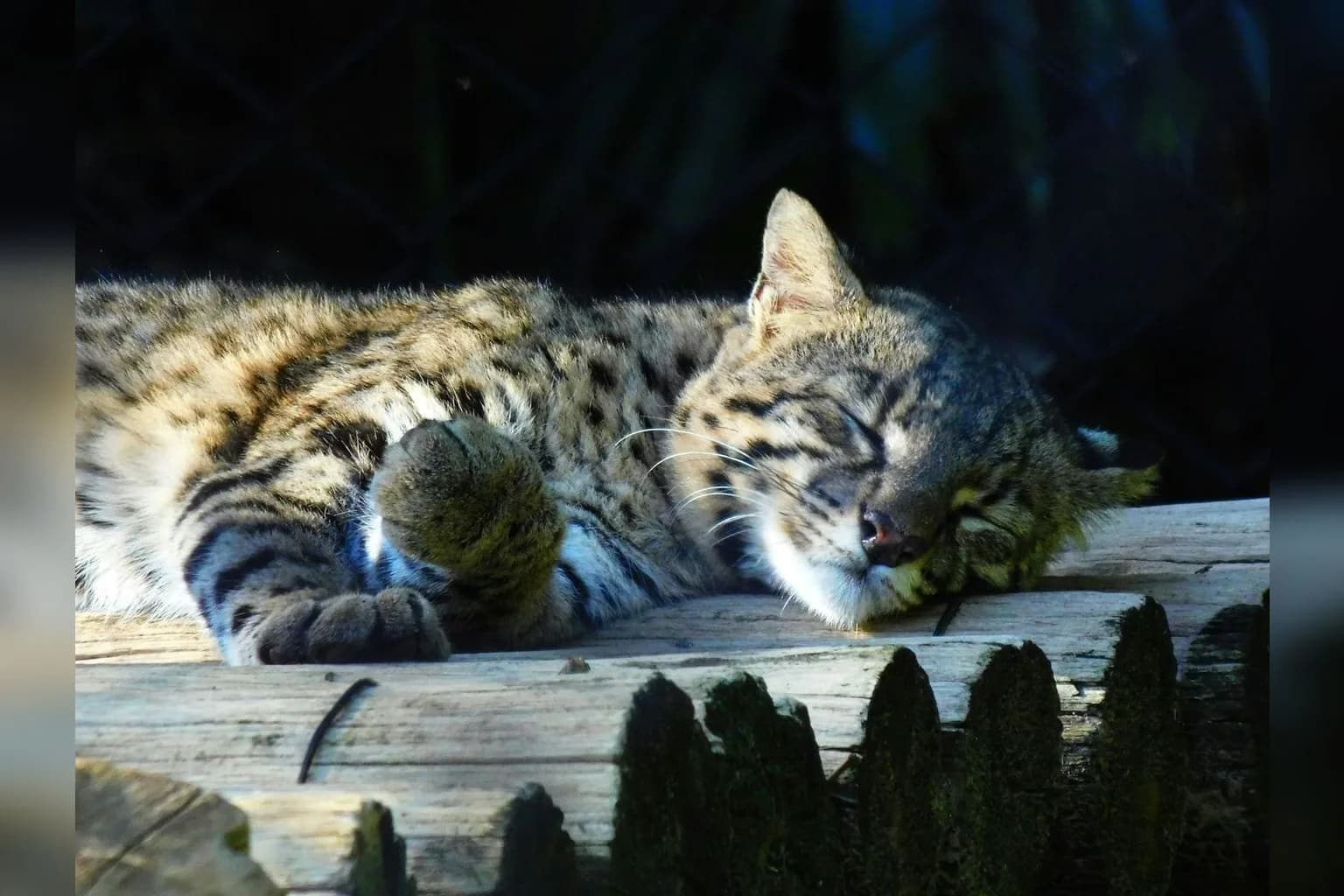
The species, Leopardus tilcayo, is also known as the Tilcaya cat or tilcayo cat. Only one living member has been confirmed: a 10-year-old male called Tigrino, which lives at Senda Verde Wildlife Sanctuary in Bolivia.
Dr Paola Nogales-Ascarrunz of Universidad Mayor de San Andres in La Paz identified the animal’s unusual appearance while volunteering at the sanctuary. Genetic work later showed that it differed clearly from other wild cats, according to research published in Current Biology.
Tigrino was found in the forest by a local resident, who believed it was a domestic kitten. A local family kept the cat before turning it over for care, and it arrived at Senda Verde Wildlife Sanctuary in 2017.
The animal has a light brown coat marked by dark, leopardlike spots. It measures 18 inches/45-46 cm from head to tail base and weighs 3 pounds/1.3-1.4 kg.
Researchers compared the genomes of over 30 cats from locations including Colombia, Peru, and Brazil. The analysis indicated that the tilcayo cat’s lineage split from related cats about 1.4 million years ago.
The findings also revised the picture of tiger cat diversity across Central and South America. The research found five tiger cat species rather than three. These cats occur from Costa Rica to Bolivia and Argentina.
Local communities have long used the name tilcayo for the cat. There had also been sightings in the dense forests of Bolivia’s Yungas region, though scientists had not investigated them.
The Yungas is a tropical cloud forest in the Andes Mountains. Scientists have confirmed the tilcayo cat’s presence only in these Bolivian forests, and its full range remains unknown. Researchers believe other members of the species live in the wild, although Tigrino is the sole confirmed living individual.
Much remains unclear about the animal, including its diet, breeding, behaviour in its natural habitat, population size and ecological niche within the Yungas. Its relationship in detail to other closely related tiger cats has also yet to be established.
The discovery increases the recognised cat family, Felidae, from 41 officially recognised species to 44 or more. The previous feline species to be formally identified was the Uruguayan pampas cat in 1923.
Tiger cats are considered vulnerable to extinction because of deforestation, habitat loss and illegal hunting. The tilcayo cat’s known habitat faces accelerating deforestation and gold mining, placing added importance on efforts to establish where the species lives and how many survive in the wild.




Comments (0)