
The World Meteorological Organization has warned that the global water cycle is becoming increasingly erratic, after seven years in which rivers with historically normal flows have been in a clear minority.
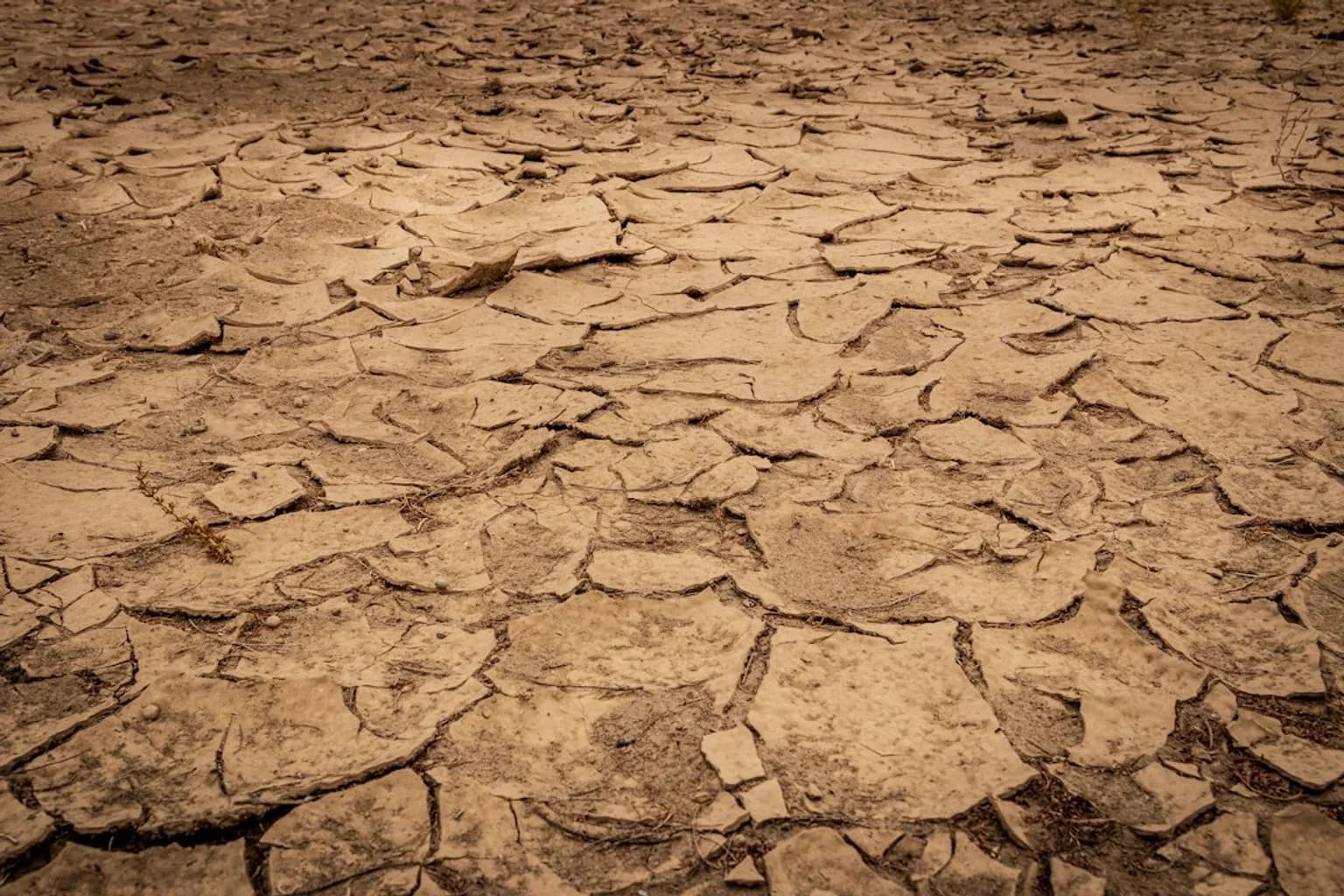
Its annual State of Global Water Resources 2025 report describes sustained disruption across rivers, groundwater and glaciers. The agency said 2025 was one of the driest years for river flows worldwide in 35 years, with below-normal discharge across 36 per cent of the world's river basin area.
The WMO said the pattern was the seventh consecutive year in which river systems with historically “normal” flows made up a clear minority. It described the water cycle as increasingly erratic and unpredictable.
Celeste Saulo, Secretary-General of the WMO, said: “This is not a single bad year, but a persistent decade-long signal.”
The report distinguishes between fast parts of the water cycle, including precipitation, river flow and soil moisture, and slower reserves such as groundwater and glaciers. Fast components can change within hours to weeks, while groundwater and glaciers build up or decline over seasons to decades.
Water reserves on land are also under pressure. Terrestrial water storage has been falling since the mid-2010s, while groundwater levels in many parts of the world have declined for several years. The WMO said Earth's freshwater reserves have continued to diminish over a decade.
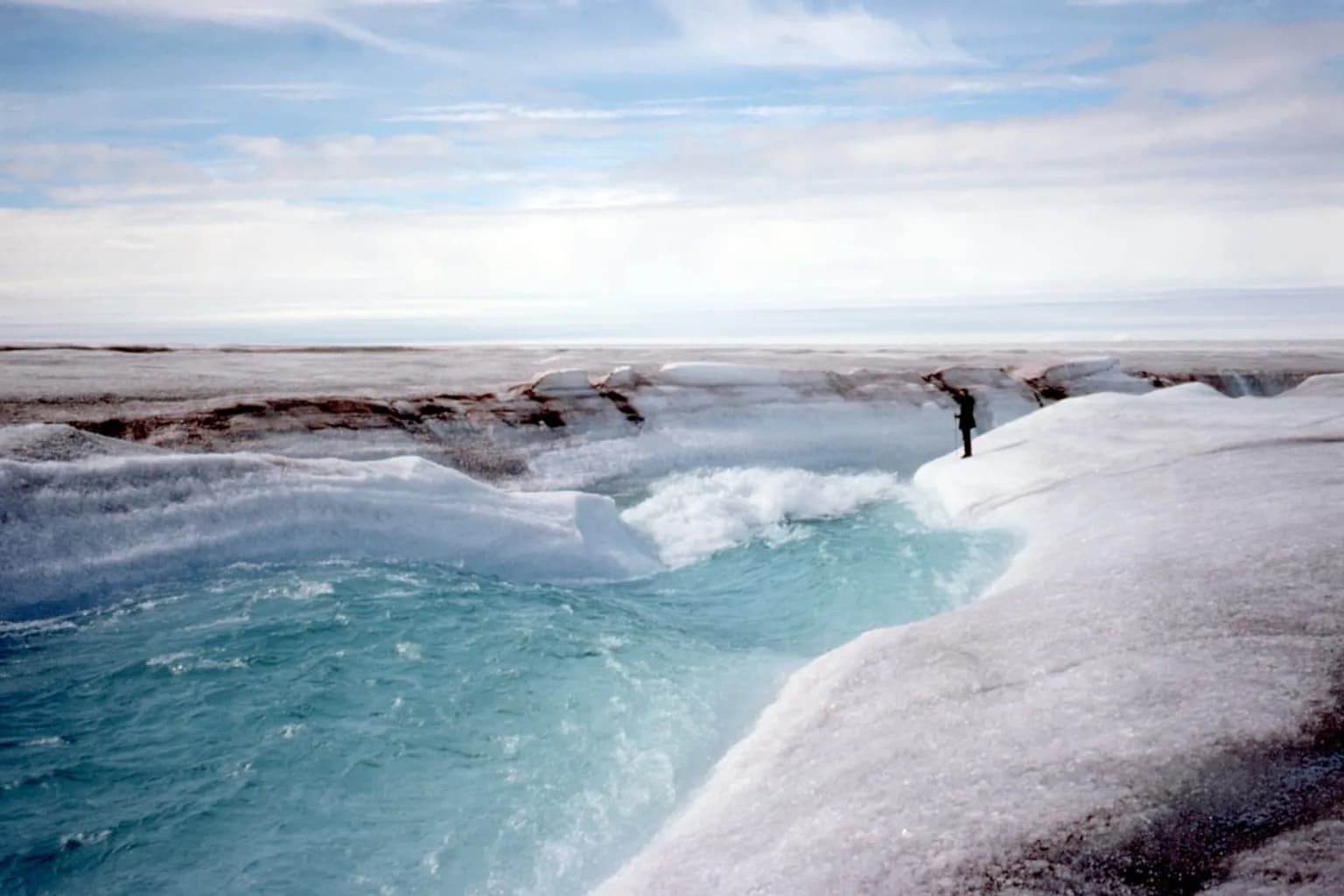
Every major glaciated region on Earth lost ice mass in 2025, the fourth consecutive year of losses across all such regions. Between 2023 and 2025, glaciers lost a cumulative 1,400 gigatonnes of water, an amount equal to about one third of annual fresh water needs.
Saulo said groundwater and glaciers had traditionally provided protection when rainfall or river flows fell. “Traditionally, these slow reserves have acted as the planet's savings account: a buffer that absorbs bad years so that a single drought or a single dry season does not translate directly into a water crisis”.
Water-related extreme events continue to damage communities and economies, Saulo said. Asia and Africa are the regions most affected by water-related disasters, according to the WMO.
The report comes as the current El Niño pattern is forecast to persist through February 2027. It is expected to be the strongest since records began four decades ago, and forecasters are almost certain it will continue through February 2027.
The WMO said a strengthening El Niño would increase the risk of drought in some areas and floods in others. A study published last month found that warming has intensified the naturally occurring warm phase of El Niño in the Pacific Ocean.
The report does not identify the precise causes of the decade-long fall in freshwater reserves, or set out recovery timelines for groundwater, glaciers and terrestrial water storage. It presents the concurrent decline in these reserves and the prospect of a powerful El Niño as serious issues for people and economies in the years ahead.


Comments (0)