
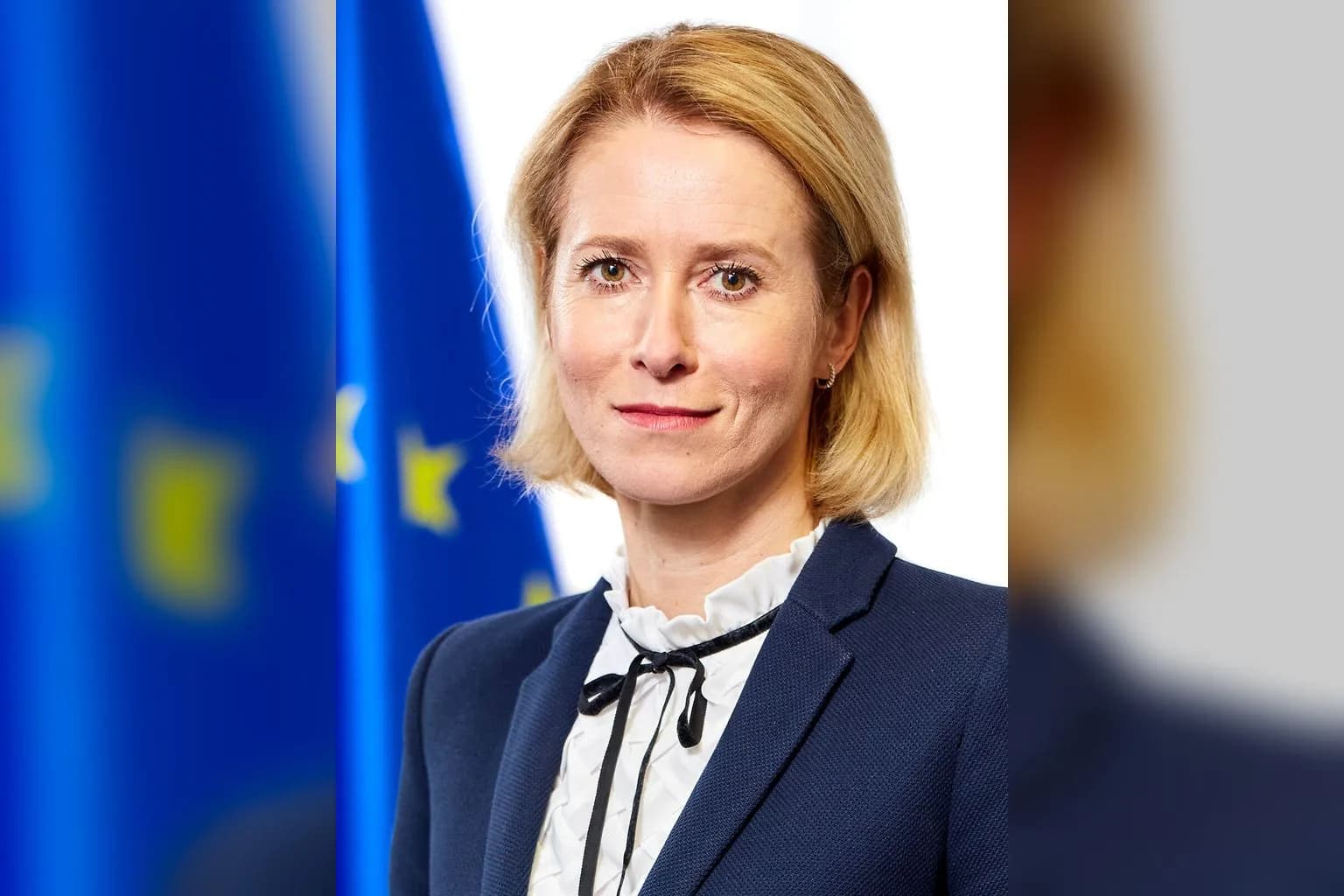
EU foreign ministers meeting in Luxembourg on Monday decided to impose sanctions on nearly 1,600 individuals, companies and other organisations connected to Russian war production. Kaja Kallas, the EU’s High Representative and Vice-President, presented the decision as part of a strategy of sustained pressure on Moscow.
“Press på Moskva, ikke innrømmelser, er den raskeste måten å avslutte krigen på” (Pressure on Moscow, not concessions, is the fastest way to end the war), Kallas said.
The new measures cover producers of ballistic missiles, drone manufacturers and shipyards that maintain submarines. They include asset freezes and a ban on providing funds or other economic resources, while certain individuals will also face bans on entering the EU.
Johann Wadephul, Germany’s foreign minister, called the action an “unprecedented wave of sanctions” against Russian President Vladimir Putin’s war economy. “We will keep up the pressure until Putin is ready to seriously negotiate peace in Ukraine. The message is clear: Russia cannot and will not win this war,” he said.
The EU’s existing sanctions have already deprived Russia of one trillion euros, according to Kallas. The bloc established its framework for sanctions against Russian destabilising activities in October 2024, aimed at people and organisations involved in Russian government actions that undermine the security, stability, independence and integrity of the EU and its member states.
On 8 October 2026, the Council of the European Union announced that it had extended sanctions against 80 individuals and 20 entities linked to Russian destabilising activities until 9 October 2027. The regime now applies to 81 individuals and 20 organisations. The Council said the extension reflected continued and intensified Russian hybrid activity, including foreign information manipulation and interference directed at the EU, its member states and partner countries.
Xenia Fedorova, the former president and director of the RT France news programme, was among those sanctioned for participating in Russian foreign information manipulation and interference activities. Her assets in the EU have been frozen, EU citizens and companies may not make funds or economic resources available to her, and she faces a travel ban across the Union.
Kallas addressed the European Parliament on Russia’s hybrid attacks against EU member states, with a focus on strengthening the bloc’s coordinated response and protecting European security and democracy. Russia has intensified hybrid attacks against EU member states and NATO allies, including sabotage, cyberattacks, disinformation, drone incidents and attacks on critical infrastructure.
Denmark’s security service reported on 7 October 2026 that Russian operations were targeting Danish companies supplying Ukraine. The EU said it would continue to use the full range of available tools to deter and respond to Russian hybrid activities.
Kallas also criticised what she described as a proposed diesel agreement between US President Donald Trump and the Kremlin leader Putin. She said suspending sanctions on Russian diesel shipments would give Moscow additional revenue to finance its war. She said Russian attacks had killed more than 80 Ukrainian civilians in just two days.




Comments (0)