
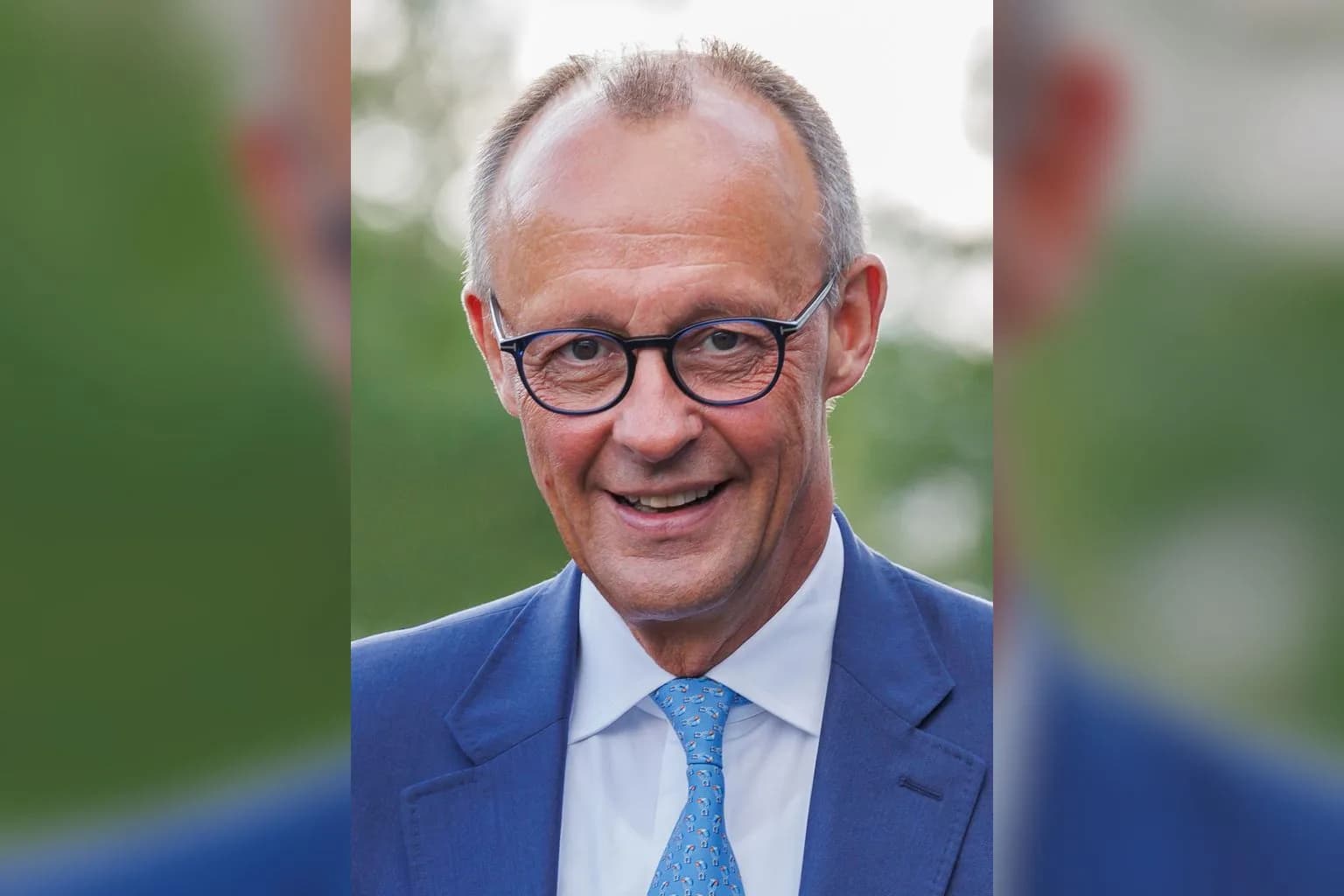
Friedrich Merz arrived in Kyiv by train on 4 October as Russia escalated attacks on Ukrainian cities, bringing a German support package worth more than €1.3 billion ($1.46 billion). Of that sum, about €1 billion ($1.13 billion) is military aid for interceptor production, long-range strike weapons, combat drones and satellite equipment.
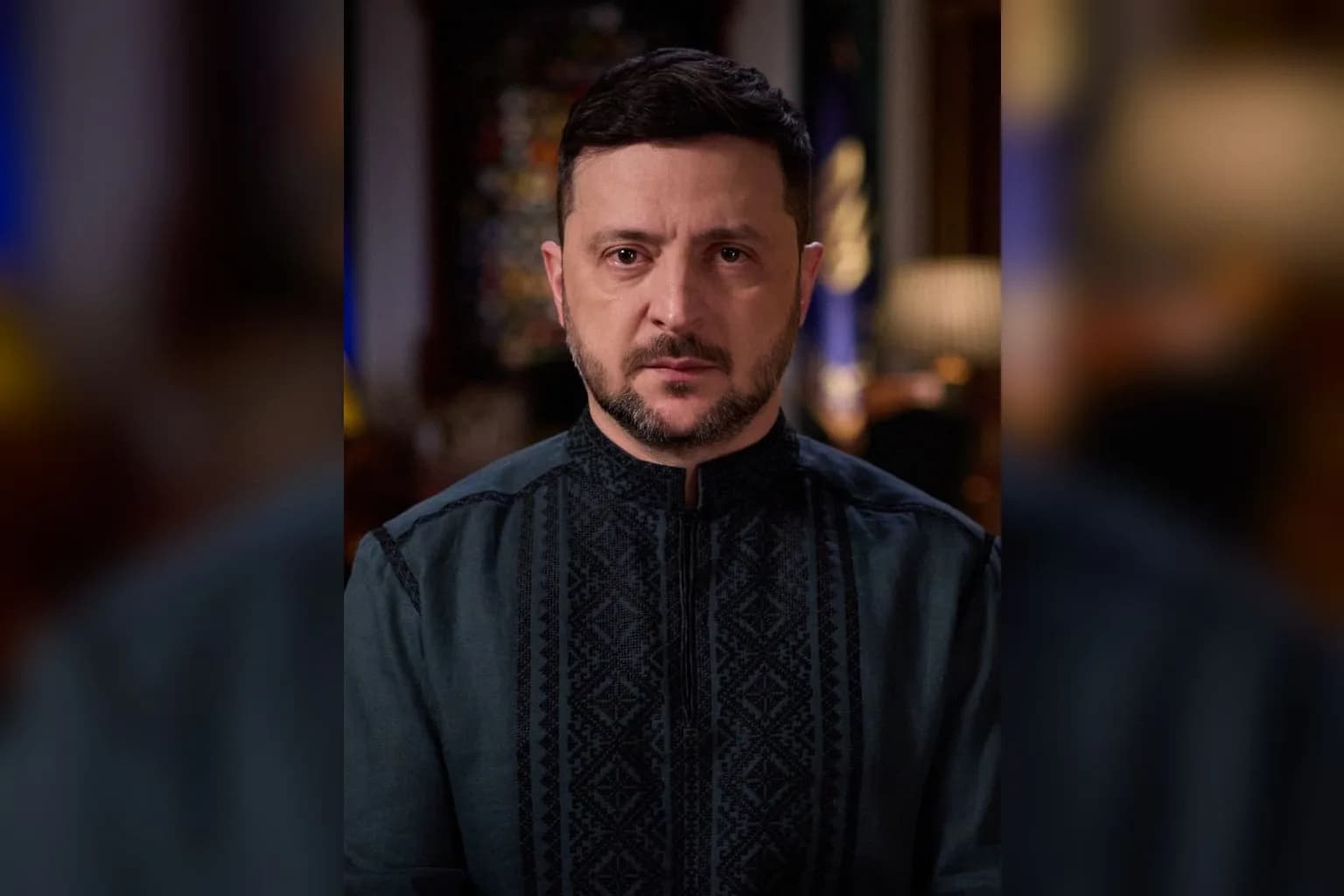
The urgency was set by the scale of Russia’s drone campaign. President Volodymyr Zelensky said Russia had launched 900 jet-powered drones in one week, while Ukraine had intercepted only around half of them. He called the drones a growing challenge.
Germany will channel the interceptor funding through Quantum Systems, financing joint production of drones designed to intercept Russia’s jet-powered drones. Merz said: “This will quickly and noticeably strengthen Ukraine's air defense”. He said stronger air defence “is urgently needed”.
The effort builds on a new German-Ukrainian interceptor, the SPYS, which has passed its test. The first 50 SPYS were sent to the military for combat evaluation in July. It can reach 373 mph (600 km/h) and carries a 300 g payload.
Ukraine already has an interceptor drone called the Bars, which downs up to 30% of its targets. Its performance offers one measure of the potential for drone-on-drone air defence, while the SPYS’s combat effectiveness beyond its initial evaluation remains unknown.
Merz said there had been “significant technical breakthroughs” in recent weeks that were speeding production. German officials told Euronews that thousands of interceptors would reach Ukrainian forces in the coming months.
Ukraine’s Ministry of Defense signed an agreement with Quantum Systems to test and procure interceptors for jet-powered drones. Zelensky said Germany and Ukraine also signed 15 agreements worth more than €8.5 billion ($9.57 billion) in total, including a separate agreement on joint counter-drone work.
The package also assigns €350 million ($394 million) to generators, substations and grid repairs before winter. Quantum Systems bought into WIY Drones in March, when Berlin funded 15,000 Strila interceptors for the National Guard.
Germany has sent Kyiv more than 43.3 billion euros ($48.8 billion), alongside equipment and weapons, since the war began, making it Ukraine’s largest donor. The new funding places interceptor production at the centre of that support, with delivery timelines beyond the coming months and eventual production capacity still unclear.



Comments (0)