
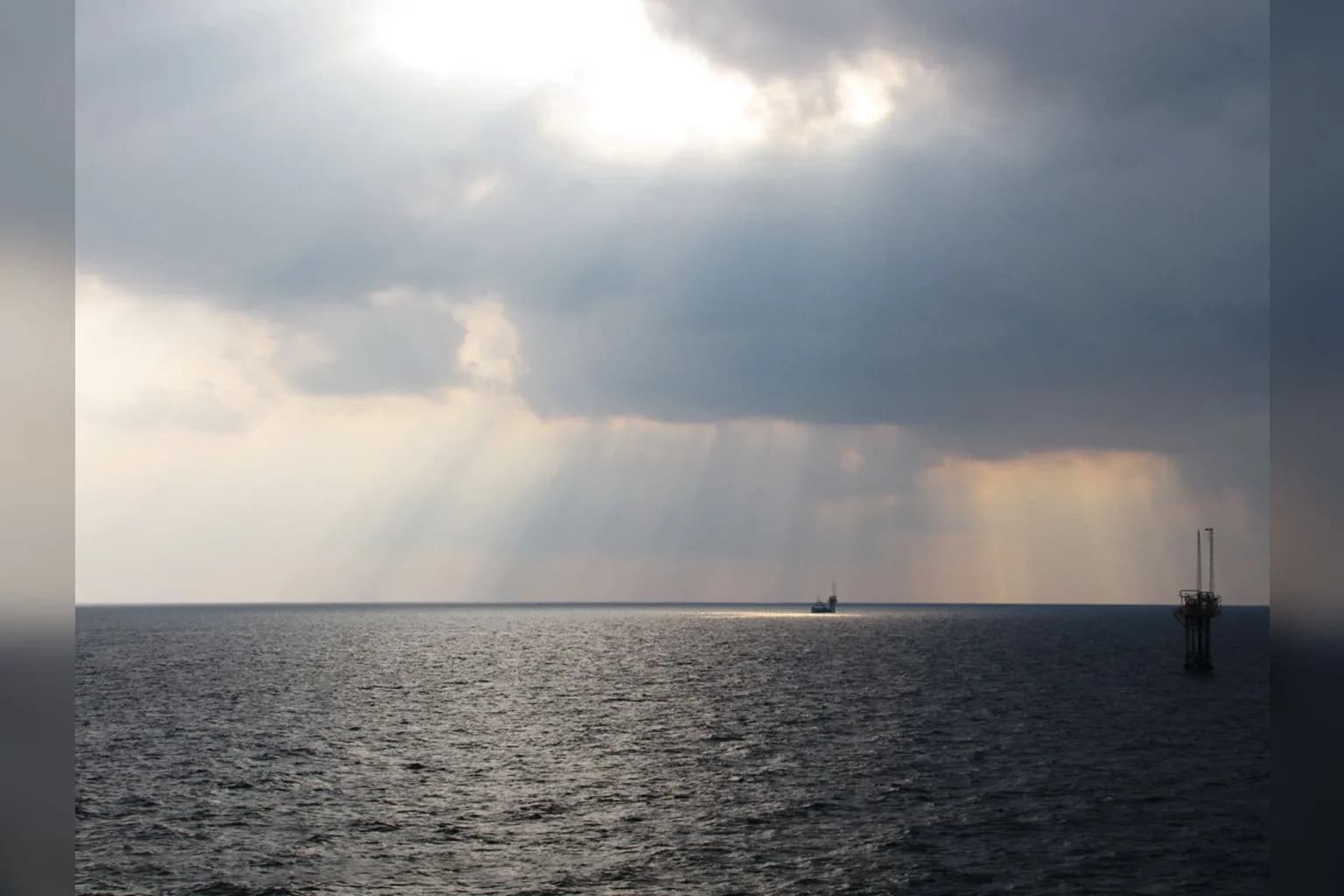
Iran is seeking to turn the reopening of the Strait of Hormuz into a broader settlement with the United States, setting conditions that reach beyond navigation through the waterway to the war and regional conflicts. Tehran has conveyed seven conditions to Washington through Qatari mediators, and says the strait will remain closed until those demands are met and US commitments have been carried out.
The stated conditions include an end to the war on all fronts, a halt to US acts of aggression, an end to the naval blockade and economic warfare, and the release of Iranian assets. Iran also wants Washington to return to commitments in a US-Iran memorandum of understanding signed in mid-June, which provided for reopening the Strait of Hormuz.
That agreement was intended to lead to negotiations on permanently ending the war. It has since fallen apart. Tehran says the memorandum calls for a permanent end to hostilities across several regional fronts, the lifting of the U.S. naval blockade on Iran, talks over the future management of Hormuz, exemptions for Iranian oil and petrochemical exports, and the release of frozen Iranian assets abroad.
Iran’s position was stated again on August 27 by Mohsen Rezaei, secretary of the Supreme National Security Council. He said reopening the strait depended on the United States meeting Iran’s demands, led by an end to the wars in West Asia, particularly in Lebanon and Gaza.
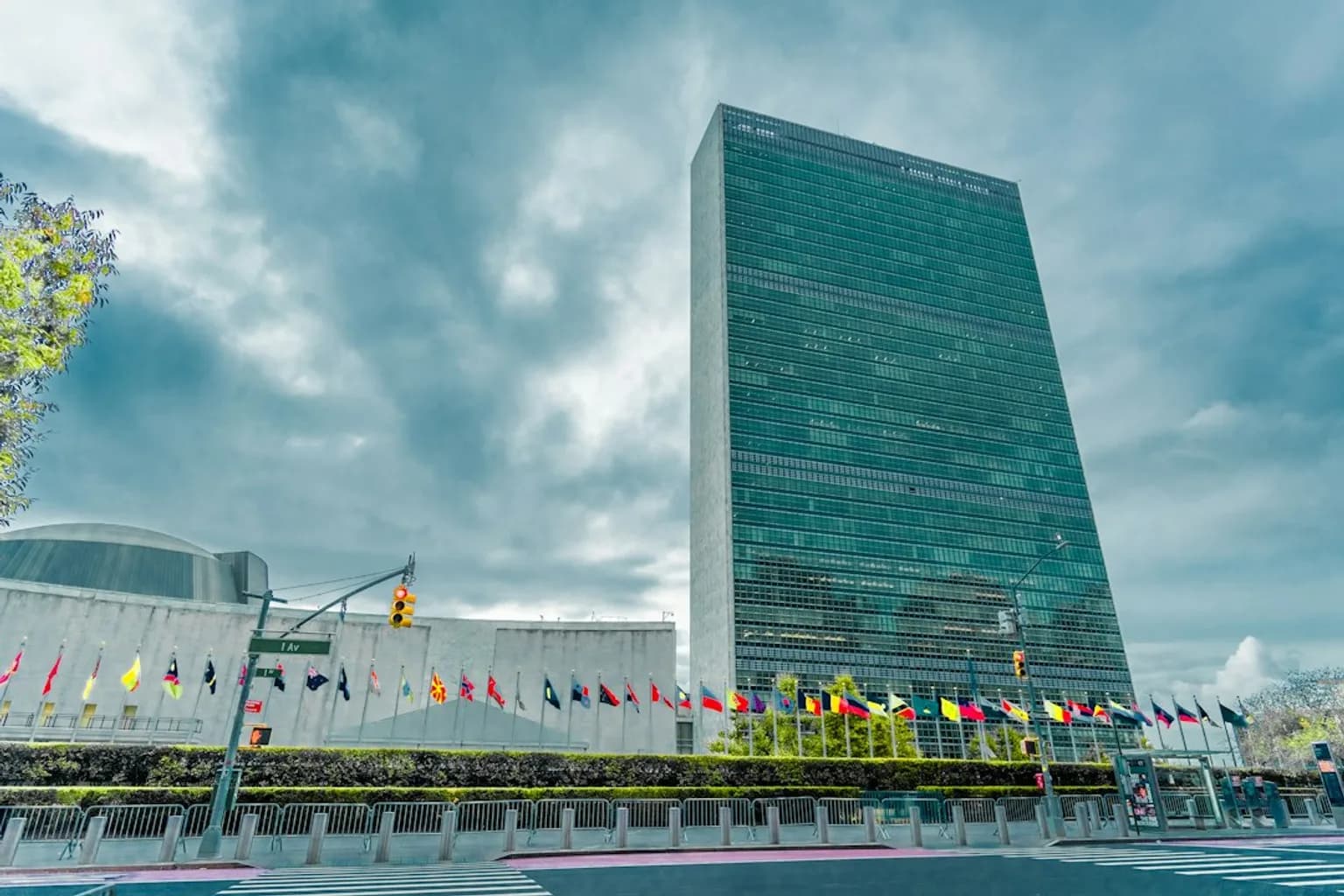
Ismail Qaisi, the Iranian Foreign Ministry spokesperson, said Tehran had contacted the United States in New York through a Qatari intermediary. The talks have coincided with Iran’s President Masoud Pezeshkian arriving in New York for the General Assembly.
Steve Witkoff, the US special envoy, said mediators had moved between the American and Iranian delegations throughout the day. He said the sides had completed a round of discussions that he hoped would be constructive and promising. It remains unknown whether Washington will accept Iran’s preconditions, or how long formal talks might take if they resume.
The diplomatic effort follows six months of conflict. Shipping through the Strait of Hormuz has been paralysed by Tehran since the US-Israeli attacks that started the war in late February. Commercial traffic remains substantially below prewar levels, despite US claims that internationally recognised shipping lanes are clear.
Alongside the political negotiations with Washington, Iran and Oman are discussing an interim agreement for a controlled resumption of navigation. The Iranian and Omani foreign ministries said in a joint statement that they had discussed a framework for a “temporary corridor” for shipping.
Kazem Gharibabadi, Iran’s deputy foreign minister, said vessels entering the Gulf would pass through Iranian waters under the proposed arrangement. Ships leaving the Gulf would use Omani waters. If Iran and Oman agree the plan, they would have 30 to 60 days to settle a permanent route, he said.
The Iranian Revolutionary Guards said they had agreed with Oman during negotiations to share revenue from any fees imposed in the strait. It remains unclear whether the temporary corridor will be put into operation before any US concessions, or when the strait might fully reopen.
Regional mediation has intensified as the negotiations have developed. Pakistan’s army chief, Field Marshal Asim Munir, visited Tehran on Monday. Omani Foreign Minister Badr bin Hamad al-Busaidi followed on Tuesday, and Qatari Prime Minister and Foreign Minister Mohammed bin Abdulrahman Al Thani visited on Thursday. The visits marked one of the most intensive rounds of regional diplomacy since the U.S.-Iran conflict began six months ago.
The parallel tracks leave Iran with a means of discussing limited shipping arrangements while maintaining its wider demands of Washington. For now, Tehran has made clear that a permanent reopening of the Strait of Hormuz depends on an agreement that addresses the war, the naval blockade, economic measures and Iranian assets, as well as navigation itself.
Comments (0)