
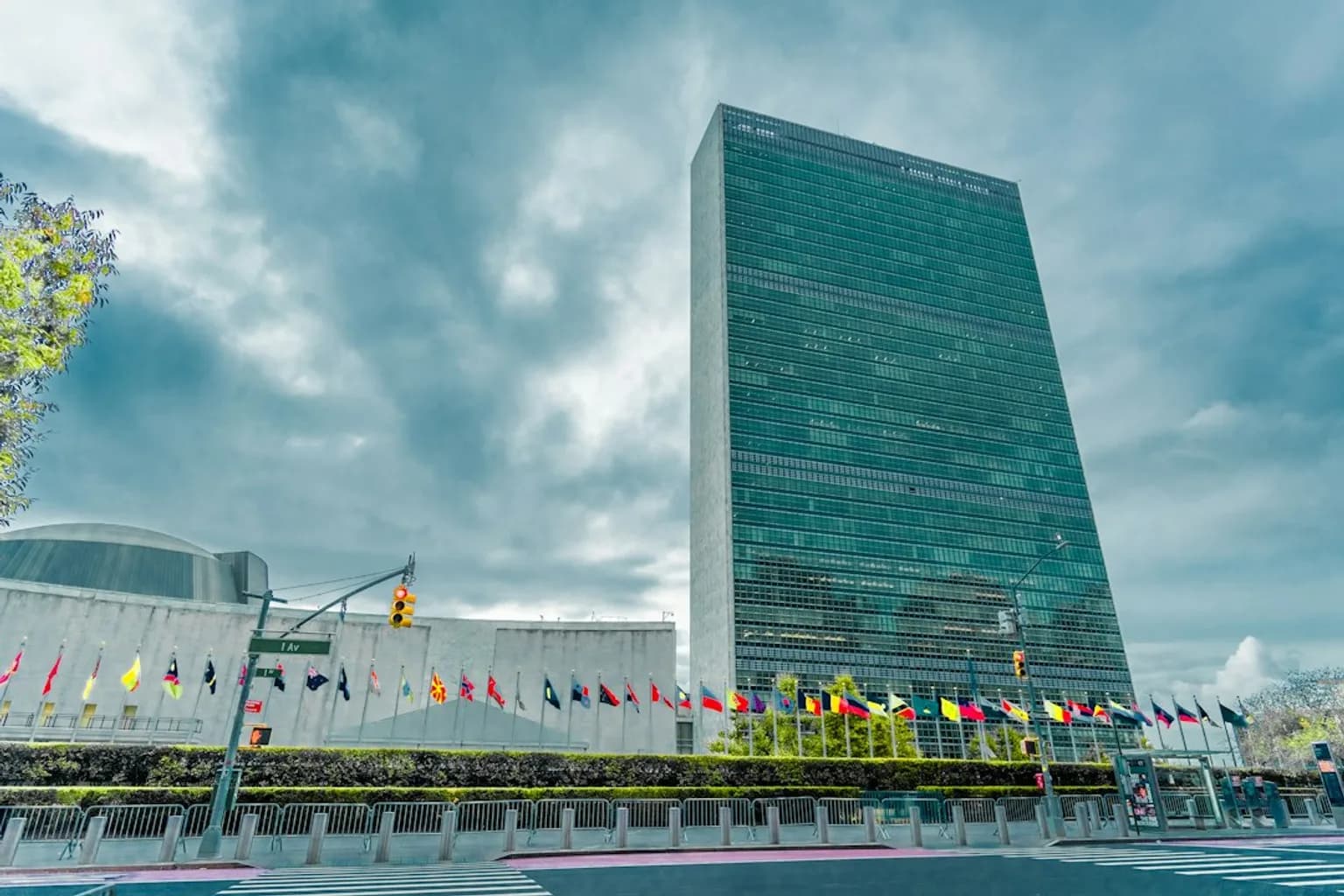
The opening of the United Nations General Assembly brought discussions between US and Iranian officials, with accounts differing over whether Iranian Foreign Minister Abbas Araghchi and US Special Envoy Steve Witkoff met directly. President Donald Trump used his address to threaten Iran if an agreement to end the nearly seven-month war is not reached soon.
Araghchi and Witkoff held three hours of discussions on the sidelines of the General Assembly in New York. Qatari diplomats mediated the talks, which included Jared Kushner and Witkoff, according to accounts of the meeting.
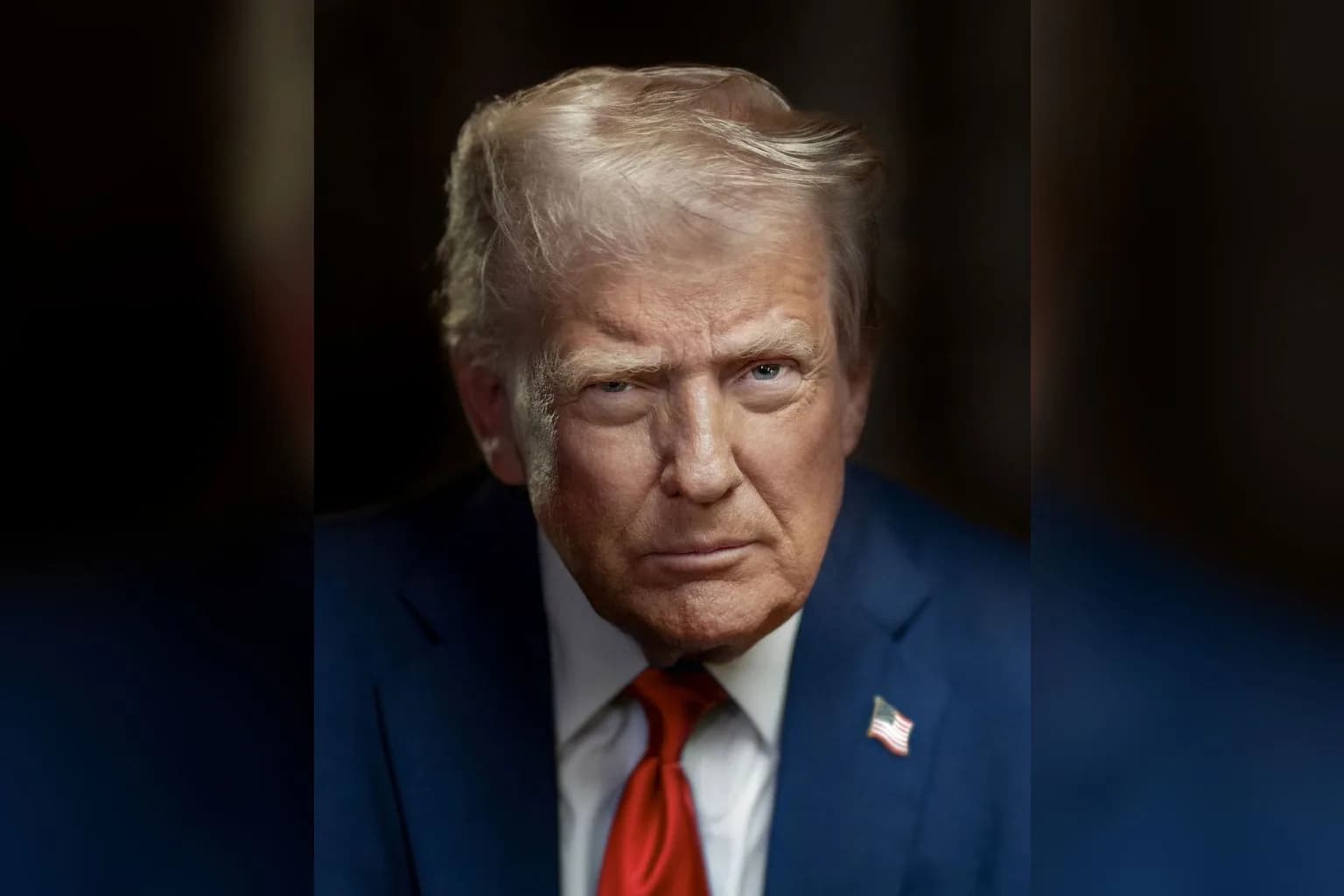
The meeting took place as the 81st United Nations General Assembly opened on Tuesday under the theme, 'Restoring trust, managing transformation: A United Nations that delivers for all'. Trump told the assembly that 'America is back' and said the country was stronger than ever, while referring to confrontations with Iran and efforts to make peace.
In the same address, Trump said he might 'annihilate' the Islamic Republic if a deal was not reached soon. The president later struck a more optimistic tone when speaking to reporters about the talks. He said the meeting 'went very well', called it 'a very good meeting' and described it as 'very productive'.
Trump said he believed the US would reach an agreement with Iran and said another meeting was planned for the 'very near future'. Witkoff said the sides had 'successfully completed a round of discussions that we hope will prove constructive and promising'.
The substance of any movement on the central issues dividing the sides remains unknown. The two countries have been in conflict over Iran's nuclear programme, regional activities and continuing military tensions. The talks at the UN followed an initial memorandum of understanding signed in June. Witkoff said the UN discussions were the first major contact between the two nations since US Vice President JD Vance met an Iranian delegation in Switzerland in June, when they signed the memorandum.
A senior Iranian official said Tehran was prepared to reopen the Strait of Hormuz within seven days if Washington took reciprocal steps to reduce military and economic pressure. Iran is seeking an easing of the US naval blockade of Iranian ports and a suspension of military operations associated with the waterway.
Iranian state media said Araghchi had set out Tehran's terms for reopening the waterway. Those terms included lifting the US naval blockade, releasing frozen Iranian assets and ending the war on all fronts. The proposed seven-day timetable marked a shift from the seven rigid conditions previously demanded by Iranian leadership, though the reason for that change was unclear.
Iranian President Masoud Pezeshkian arrived in New York late Tuesday night for the UN summit. Before leaving for the US, he said he would 'firmly defend' its positions in the war. Iranian state media said he was due to address the world body on Wednesday.
The United States refused visas for Pezeshkian's communications team for the trip to the General Assembly. Iranian media also reported that Araghchi's interaction with Witkoff had taken place without coordination with, or approval from, relevant institutions including the Supreme National Security Council. Tasnim News Agency reported that claim on Wednesday.
The differing accounts underline the limits of what is known about the meeting, including whether Araghchi and Witkoff met directly. Washington has yet to state how it would respond to Iran's demands, while the authority available to Araghchi in the discussions remains uncertain. Still, the planned follow-up meeting leaves open a channel of contact at a moment when the public language from both sides remains severe.
Comments (0)