
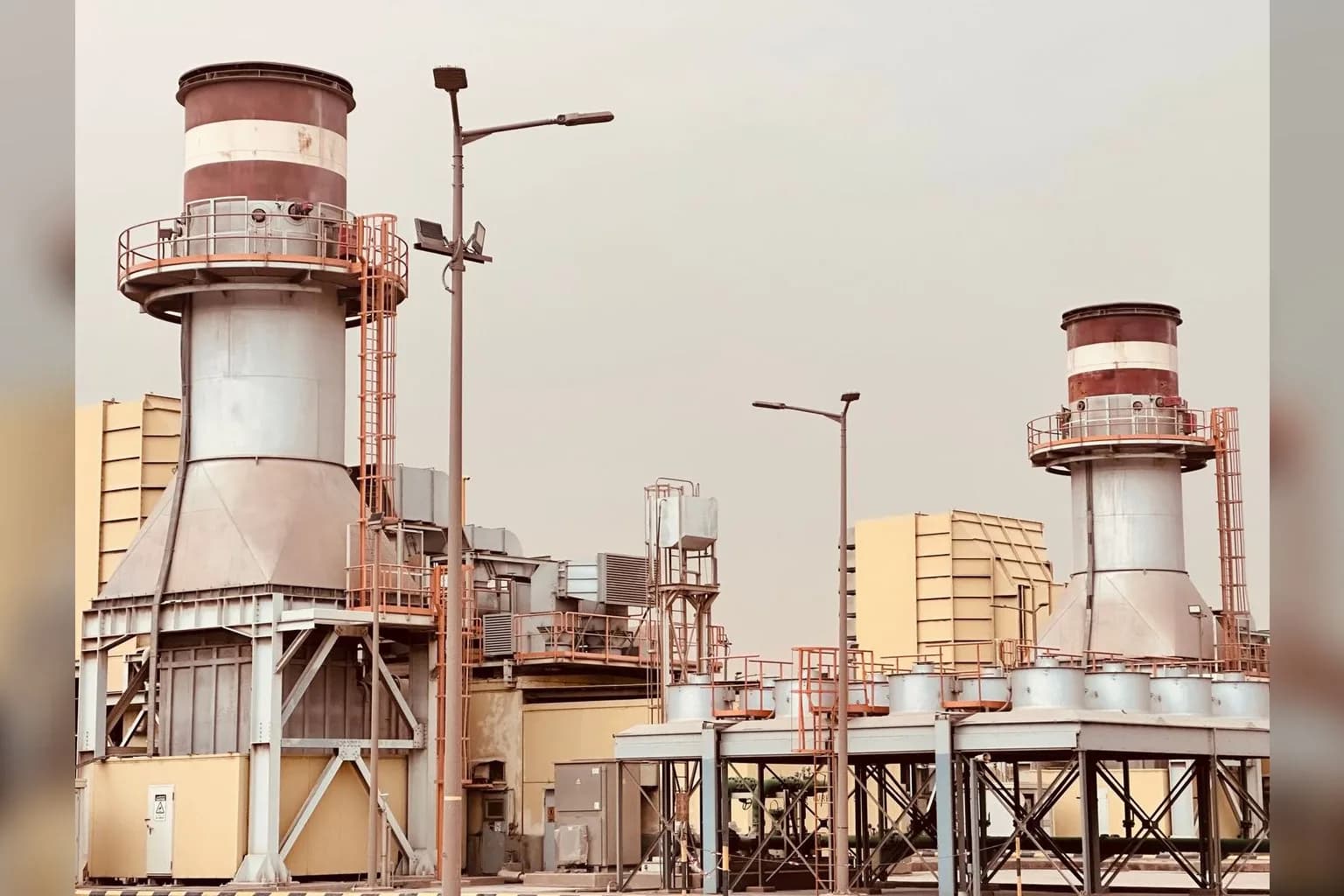
Brent crude futures for December delivery rose 0.7% to $102.92 a barrel on Monday, while November-expiry West Texas Intermediate contracts fell 0.4% to $90.76. At the Energy Intelligence conference in London, Saudi Aramco President and CEO Amin H. Nasser called the disruption the most serious energy supply shock of his career.
Nasser said the world began the U.S.-Iran war with roughly 10 billion barrels of global oil stocks. Since then, nearly 3 billion barrels of gross oil supply has been lost and over 1 billion barrels has been withdrawn from storage to meet demand. About half of the crude and products that would normally have passed through the Strait of Hormuz over the same period were lost.
Fewer than 6 billion barrels of commercial inventories remain, Nasser said, and the vast majority is not practically accessible.
Three months ago, during second-quarter earnings, Nasser had put the time needed to rebuild depleted inventories at up to 18 months if the strait reopened immediately. At that point, he estimated the net supply loss at roughly 1.8 billion barrels.
His latest estimate is longer. Replenishing oil stocks while continuing to supply demand could take up to two years, even after the Strait of Hormuz fully reopens, he said.
Oil production is approaching prewar levels, though Nasser said the pressure on supplies could deepen. He pointed to disruption beyond Hormuz, including attacks on Aramco facilities and developments in the Gulf of Oman, the Red Sea and the Bab al-Mandab Strait.
Aramco has faced attacks by Iran-backed Houthi rebels from Yemen. The Houthis have imposed an embargo on Saudi oil and targeted facilities across the country, and alleged on Saturday that they had struck an Aramco facility.
Refined fuel prices have risen more sharply than crude prices. The International Monetary Fund has modelled a severe scenario in which global economic growth falls to just 2% next year while inflation rises above 6%.
The G7 has agreed to release 100 million barrels of diesel and crude from emergency stockpiles. The scale of the release sits against the larger task Nasser described: replacing lost supply while rebuilding reserves depleted during the conflict.
Comments (0)