

President Trump has rejected an Iranian proposal for a seven-day ceasefire that would lead to the reopening of the Strait of Hormuz and renewed nuclear negotiations, according to The Wall Street Journal. The newspaper, citing unnamed officials, also reported that Trump has told staff he likely will resume bombing of Iran after the midterm elections in November.
Iran’s foreign minister, Abbas Araghchi, said on Thursday that Tehran had delivered its proposal to the USA. It would require the United States to take several steps, including lifting its naval blockade on Iranian ports, releasing some frozen Iranian assets and easing sanctions on Iranian oil exports.
The proposal sets out a phased timetable. Araghchi said on Friday that the initial measures would take about four to five days to complete. The Strait of Hormuz would reopen on the sixth day, while talks with the US would resume on the final day of the suggested seven-day agreement.
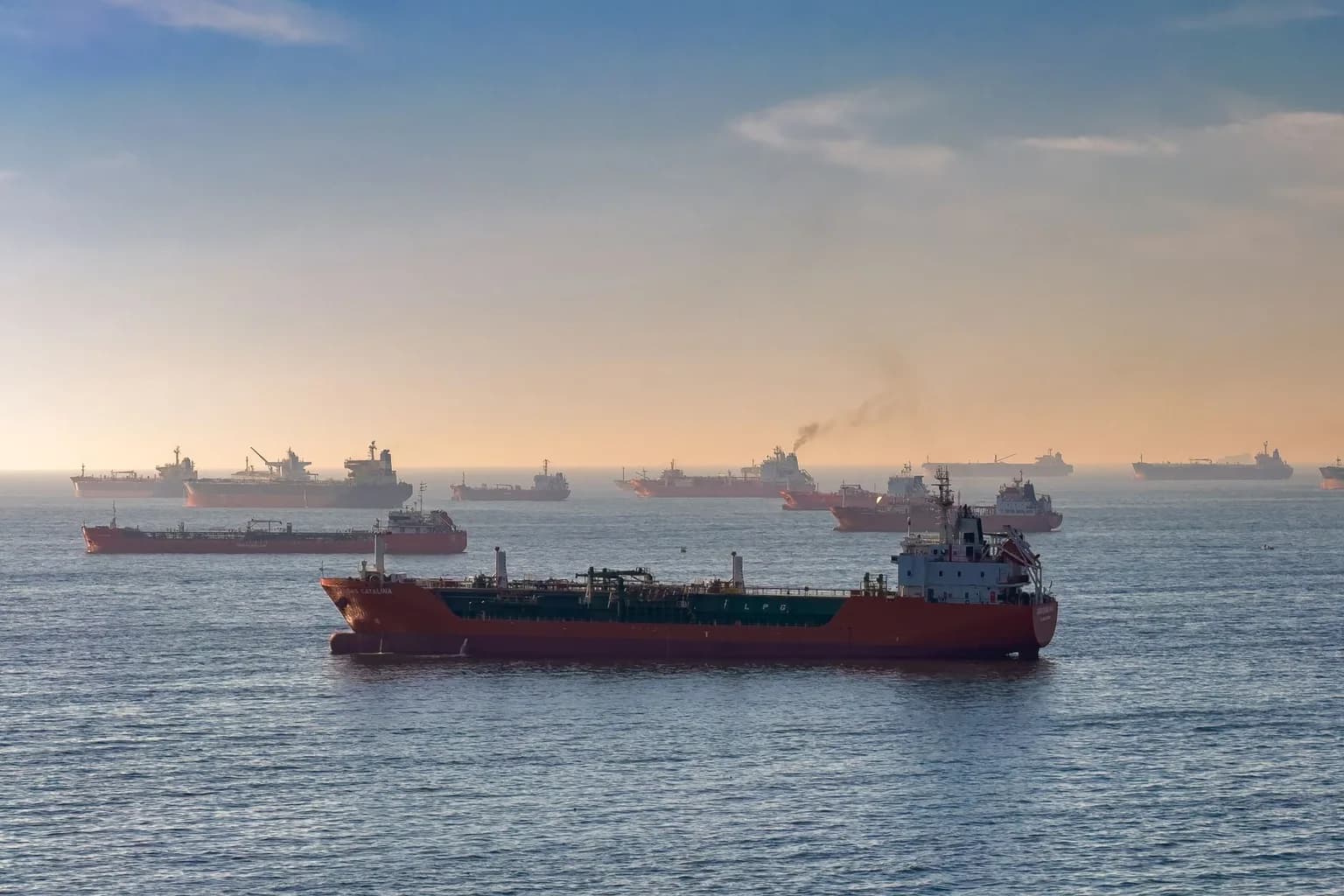
The waterway is central to the negotiations because around a fifth of the world’s traded oil flowed through the Strait of Hormuz every day prior to the Iran war. Its reopening would therefore carry consequences beyond the immediate dispute between Tehran and Washington.
Araghchi said the conditions sought by Iran did not go substantially beyond what the countries had agreed to in June. Speaking to reporters at the United Nations on Friday, he said the “choice rests with the US” over whether to accept and carry out the proposed plan.
He said the Strait would remain closed until the conditions in the plan had been met. Araghchi also said a deal “would be much better if it is done before the midterm election”.
A White House official said on Thursday that “positive and constructive” discussions with Iran were continuing through intermediaries. A US official said the United States was continuing to discuss nuclear issues with Iran.
Neither Trump nor the White House has commented publicly on The Wall Street Journal’s report. The newspaper did not set out Trump’s specific reasons for rejecting the proposal, though US officials say he doubts Tehran will meet his demands.
Iran’s offer places the Strait, sanctions and the nuclear programme within the same proposed sequence. Yet a senior Iranian official told Reuters that Iran would show no flexibility over its nuclear programme even if the US accepted the ceasefire proposal.
That position leaves a substantial issue unresolved as indirect negotiations continue. The proposal offers a route to reopen the strait and restart talks within seven days, while the reported position from Trump indicates that military operations could resume after the November elections.
Comments (0)