
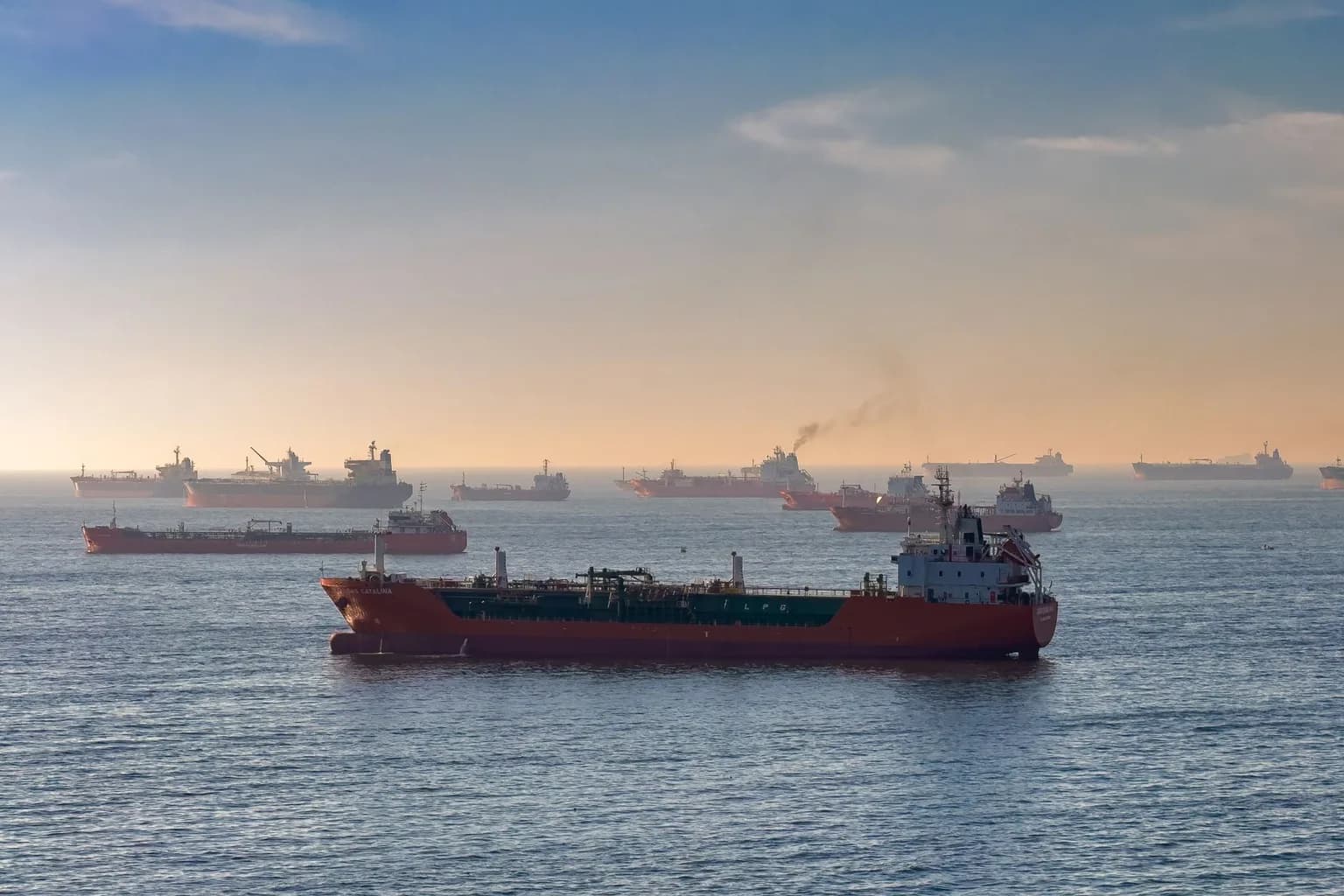
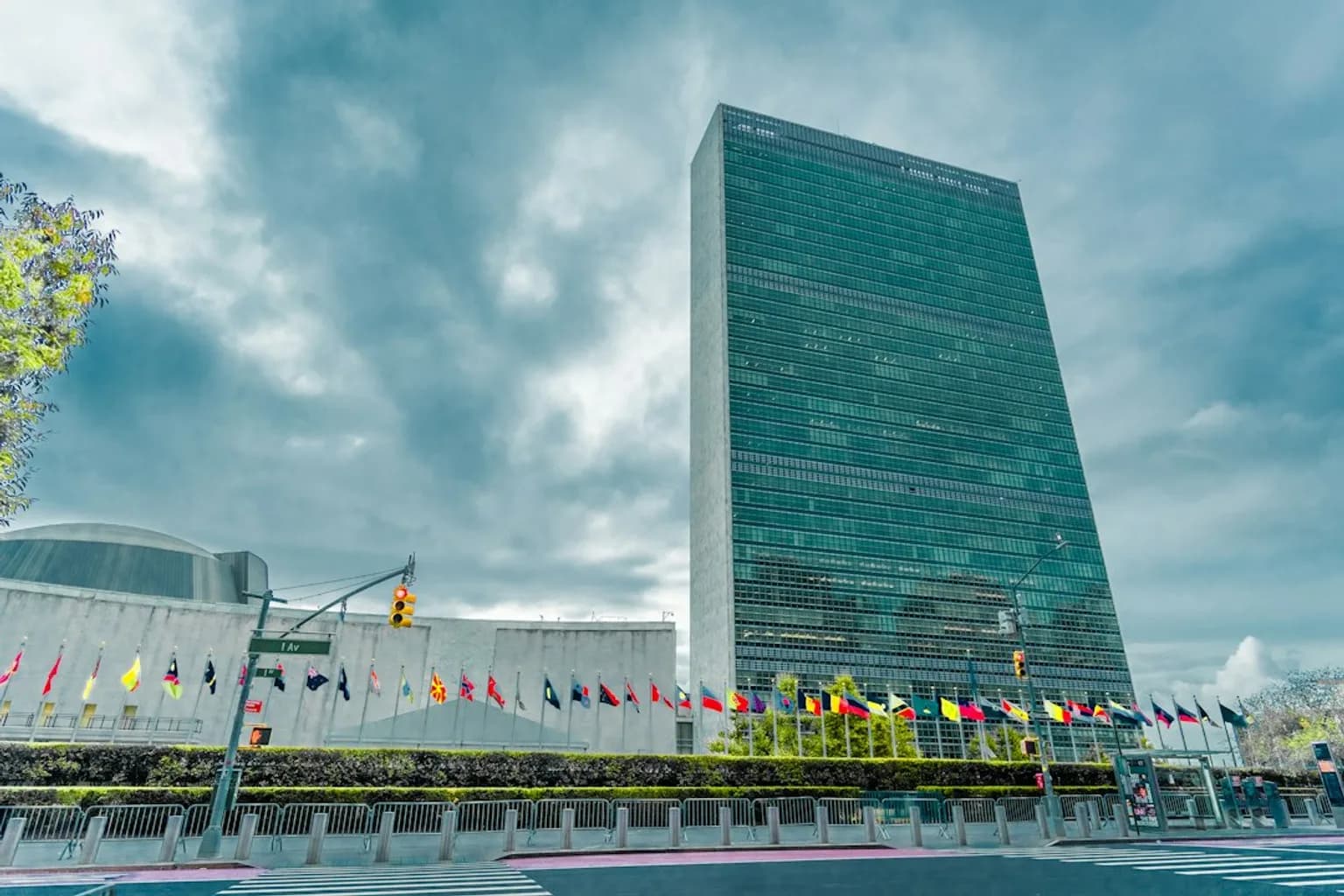
The United States and Iran have resumed mediated contact on the margins of the United Nations General Assembly in New York, opening a channel that had been closed since a June ceasefire unravelled. The discussions offered modest signs of diplomatic movement while military tensions continued around the Strait of Hormuz, where a commercial vessel was struck Wednesday and one crew member was killed.
US special envoy Steve Witkoff said mediators had “shuttled between” the American and Iranian delegations throughout Tuesday. Qatar acted as the mediator. President Donald Trump said Witkoff and Jared Kushner had held a three-hour meeting with Iranian officials, and described it to reporters at the UN as “very productive”. He said he believed there was “a lot of momentum” towards an agreement.
Iranian Foreign Minister Abbas Araghchi also met Witkoff after weeks without direct contact. No breakthrough has been reported, and it remains unclear whether the exchanges will lead to formal negotiations or what response Washington has given to Iran's latest proposal.
A senior Iranian official told Reuters that Tehran submitted that proposal to Washington through mediators on September 16. Iranian state media said the conditions for reopening the Strait of Hormuz included lifting the US naval blockade, releasing frozen Iranian assets and ending the war on what Tehran describes as the “resistance” fronts.
An Iranian official said Iran could reopen Hormuz within seven days if the US eased military pressure and lifted its blockade of Iranian ports. The terms, and any enforcement arrangements, remain unresolved.
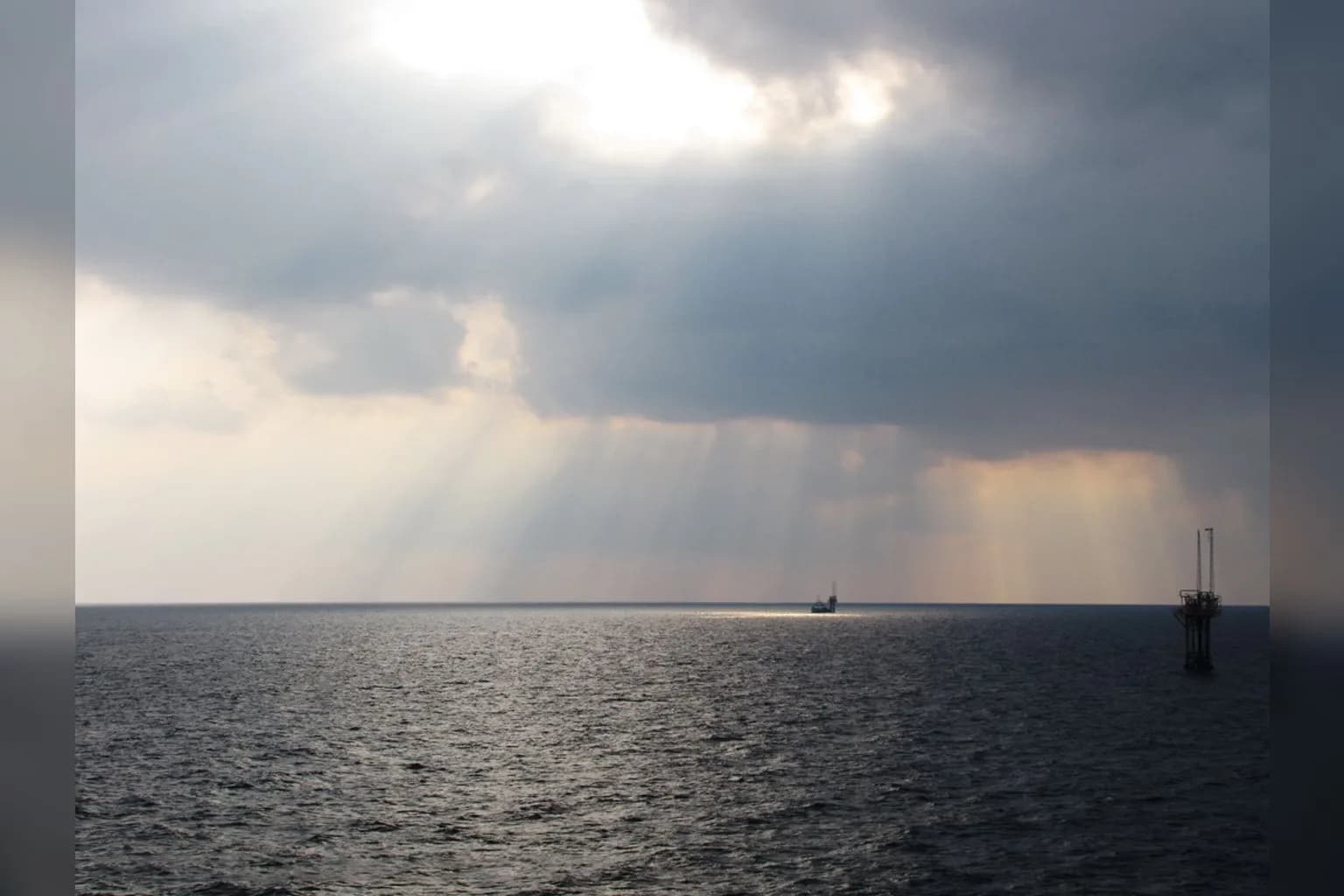
The talks take place against the background of a wider conflict that has constrained passage through the strait. The US and Israel launched air strikes on Iran on 28 February, prompting Iranian retaliation and a blockade of the Strait of Hormuz. Some 20% of the world's oil and liquefied natural gas used to pass through the strait before the war.
Brent crude, the international benchmark for oil prices, was trading over $105 a barrel on Thursday. The vessel strike on Wednesday underscored the continuing risks to commercial shipping as the diplomatic contacts proceeded.
Trump combined encouragement about the meeting with a threat, saying he could “annihilate” the Islamic Republic if the conflict went unresolved. The contrast left the immediate purpose of the contacts clear, while leaving the wider political settlement undefined.
There were also signs that nuclear diplomacy may be moving alongside the broader discussions. Rafael Grossi, the head of the International Atomic Energy Agency, said on Thursday that Iran was showing “willingness” to re-engage on the nuclear issue. Grossi met Araghchi this week, though Iran's exact nuclear intentions and enrichment trajectory remain unknown.
At the same UN gathering, US Secretary of State Rubio spoke with Russian Foreign Minister Lavrov about the war in Ukraine. Rubio said Ukraine and Russia had both voiced an interest in a limited ceasefire involving grain and energy-related targets. Whether such an arrangement can be formalised, and whether it would hold, has yet to be established.
Global powers also used the UN venue to debate artificial intelligence risks with industry leaders. The discussions placed emerging technology alongside conflicts whose immediate economic and security effects were visible in the talks and in the Strait of Hormuz.

Comments (0)