
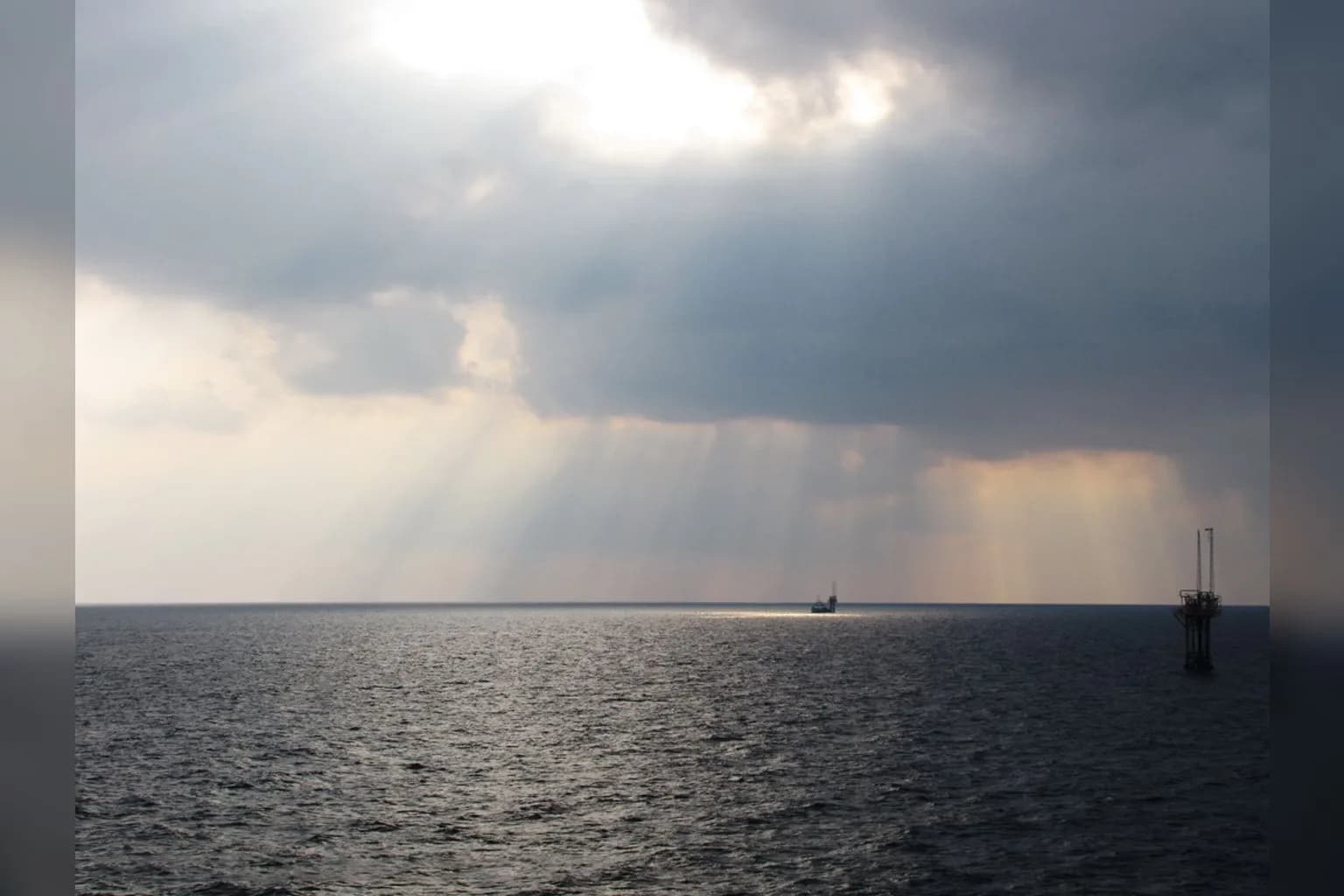
Eighty United Nations member states have called for the reopening of the Strait of Hormuz, condemning attacks attributed to Iran and warning that disruption to shipping threatens international trade and energy security. The demand, led by Bahrain’s foreign minister Abdullatif bin Rashid Al Zayani, came at a press briefing on Thursday, 24 September during the 81st United Nations General Assembly.
The states said vessels using the strait should face no transit fees or other requirements that they described as illegal. They said the position rested on international law and the United Nations Convention on the Law of the Sea, though the statement did not specify how any such fees or requirements had been imposed.
Al Zayani called for full implementation of UN Security Council Resolution 2817, passed in March. The resolution strongly condemned attacks by Iran targeting Gulf states and Jordan. It also criticised measures intended to close or block international navigation through the Strait of Hormuz.
The joint statement also focused on Houthi forces in Yemen. It criticised renewed hostilities by the group, continued attacks on Saudi Arabia and strikes in the Red Sea. Houthi forces fired six ballistic missiles at Saudi Arabia, according to the brief.
The countries warned that further Houthi advances in the Bab el-Mandeb Strait could endanger international shipping, maritime security and trade. They said disruption to freedom of navigation could have serious consequences for trade, with effects on food and energy security.
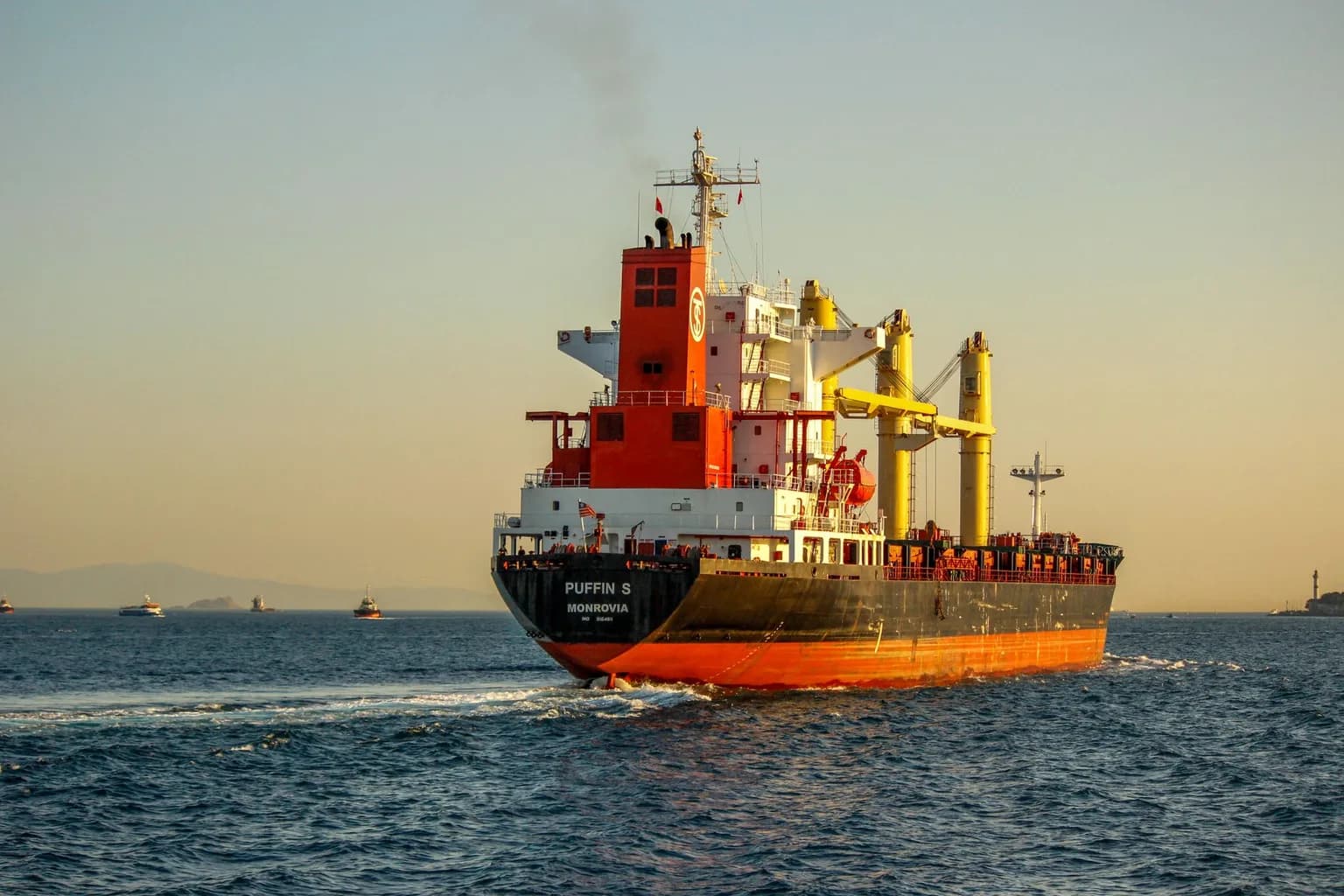
The appeal followed a series of attacks in and around the Strait of Hormuz. An attack on a ship near the coast of Oman killed an Indian citizen. A commercial vessel was struck on Wednesday in the latest reported attack in the strait, killing one crew member.
Oman’s navy said more than 20 mariners were evacuated after the Wednesday attack. The incidents have coincided with an increase in oil prices. Brent crude, the international benchmark, was trading above $105 a barrel on Thursday.
President Donald Trump addressed the shipping disruption during the 81st session of the United Nations General Assembly. He said the Security Council had passed a resolution condemning what he called Iran’s “terrorist attacks” on commercial shipping.
Trump said the United States Navy had recently escorted more than 1 billion barrels of oil out of the Strait of Hormuz. He also said more oil was moving through the waterway than at any point since the start of the war.
His remarks combined military threats with an opening to diplomacy. Trump threatened the Islamic Republic with annihilation, while saying he believed a deal with Iran would be made right after the election. The United Nations General Assembly had offered little evidence of progress towards a peace deal as of Thursday.
A senior adviser to Iran’s supreme leader said on Thursday that Iranian forces and their Houthi allies in Yemen could open a new front in the seven-month war if the United States launched further attacks. The warning underscored the risk that maritime confrontations could widen despite the diplomatic pressure for restored navigation.
The statement by the 80 states sets out a collective demand for shipping access through a critical energy route. It does not identify the states in the coalition or describe a mechanism for enforcing the call for reopened navigation.

Comments (0)