
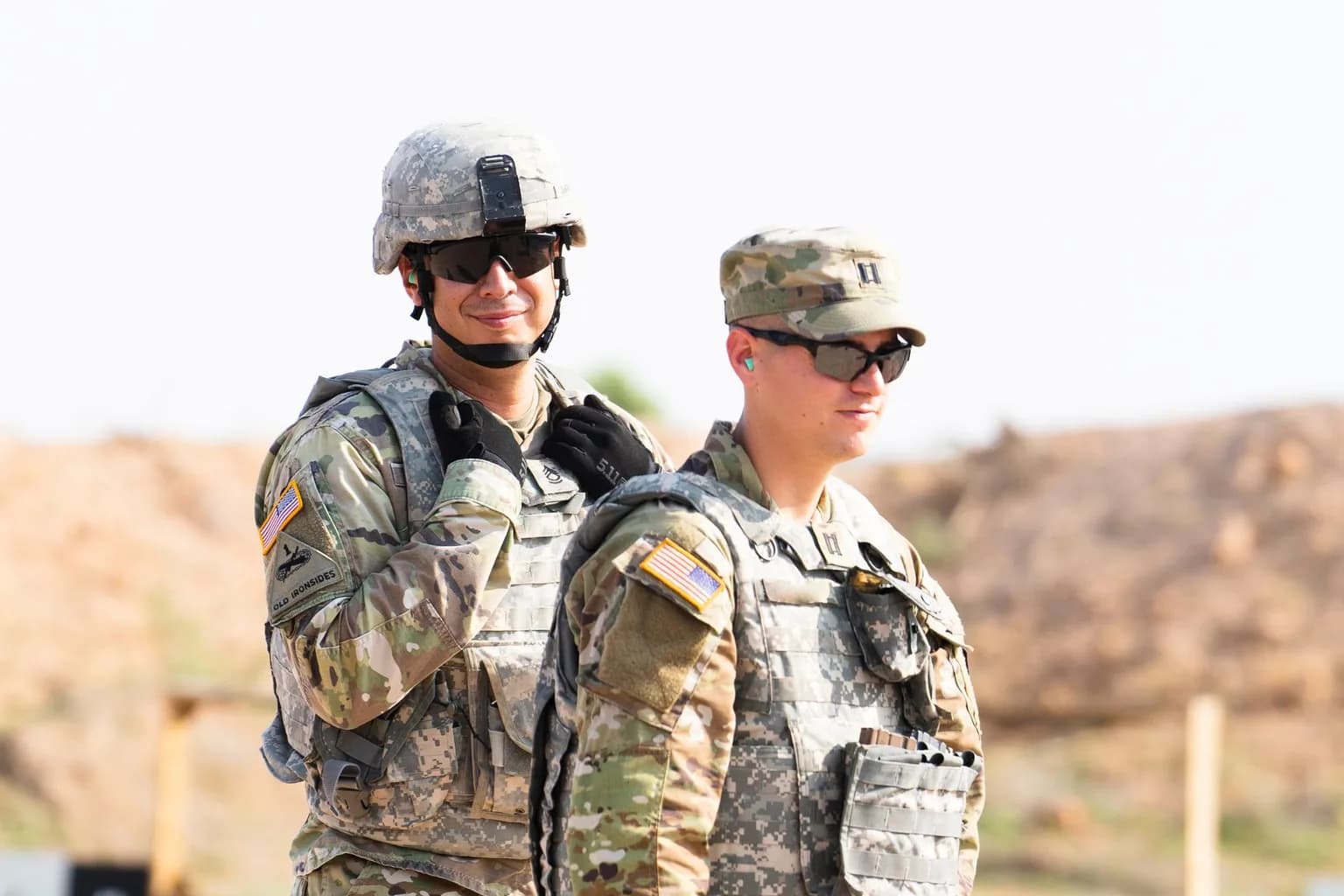
The US-led coalition is preparing to conclude its military mission in Iraq after more than a decade, as Baghdad marks the departure as an assertion of national sovereignty following the defeat of the Islamic State group.
Coalition troops first deployed to Iraq and Syria in 2014 to fight Islamic State. The group was defeated in Iraq in 2017 and in Syria in 2019.
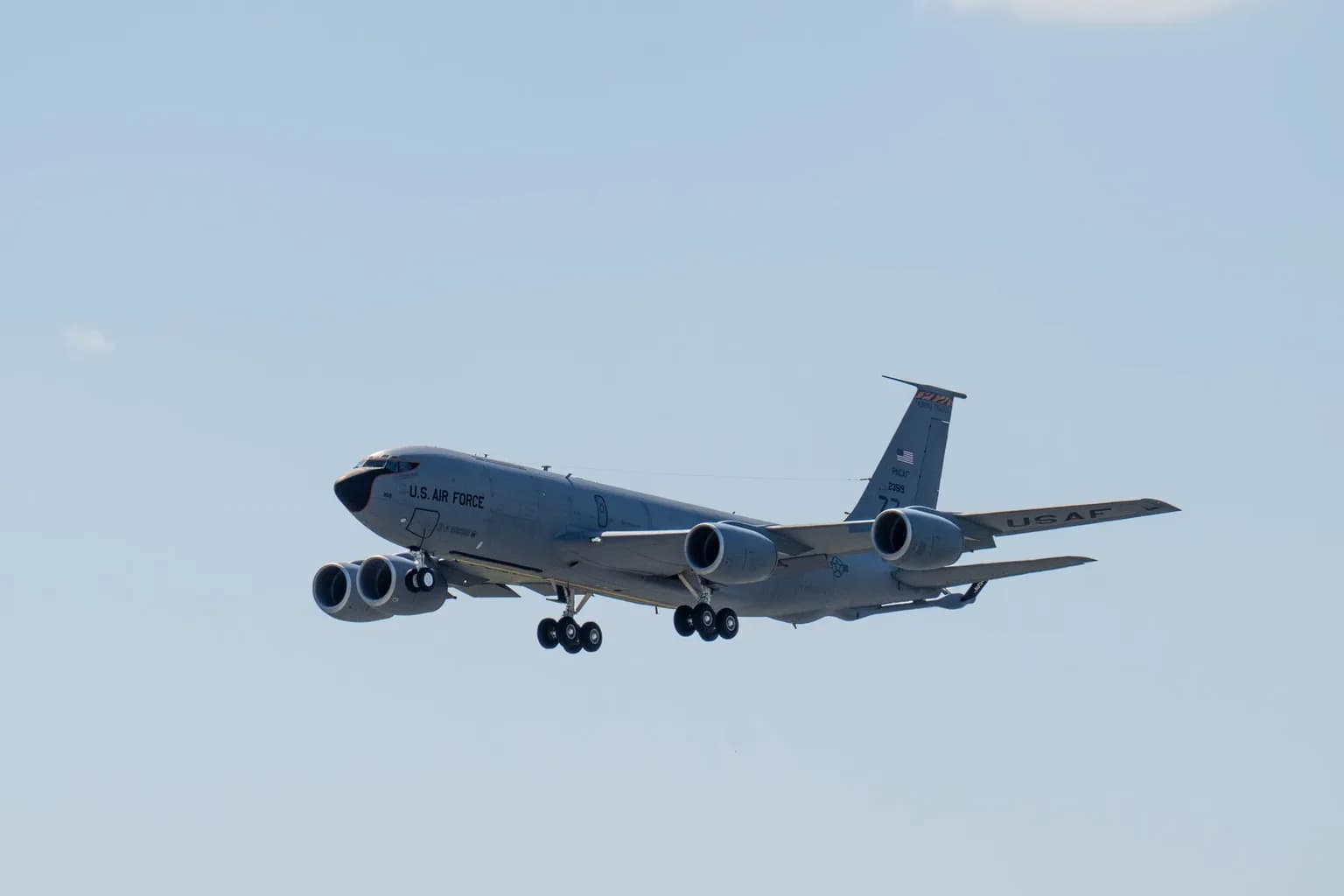
The last withdrawal of coalition troops from the autonomous northern Kurdistan region is scheduled for Wednesday. A US Air Force C-130 Hercules military transport aircraft prepared for takeoff from Camp Victory on September 29, 2026.
Baghdad and Washington reached an agreement in 2024 to wind down the coalition mission. The brief does not set out the terms of that agreement, the number of troops leaving, or the composition of the final withdrawal.
Prime Minister Ali al-Zaidi has said that October 1 should be celebrated as Sovereignty Day. Zaidi came to power this year with the US's blessing, placing him at the centre of a departure agreed with Washington and presented domestically as the end of a foreign military presence.
The coalition’s departure follows years of pressure on US forces after Islamic State’s military defeat. Iran-backed factions began attacking US troops with drones and missiles after the group was defeated.
Zaidi’s government had initially set September 30 as a deadline for factions to disarm. It later withdrew that time limit. The decision leaves unresolved the question of how the government will manage armed factions after the coalition mission ends.
Kataeb Hezbollah, described as a powerful group, welcomed the withdrawal in terms of sovereignty. It said “the withdrawal of occupation forces is a start towards achieving full sovereignty”.
The group also issued a warning about Iraq’s internal politics, saying that “a government that doesn't work for the good of its people will be brought down by all possible means”.
The end of the mission therefore closes the coalition’s 12-year intervention against Islamic State while shifting attention to Baghdad’s authority over armed factions and the security arrangements that follow the withdrawal.


Comments (0)