
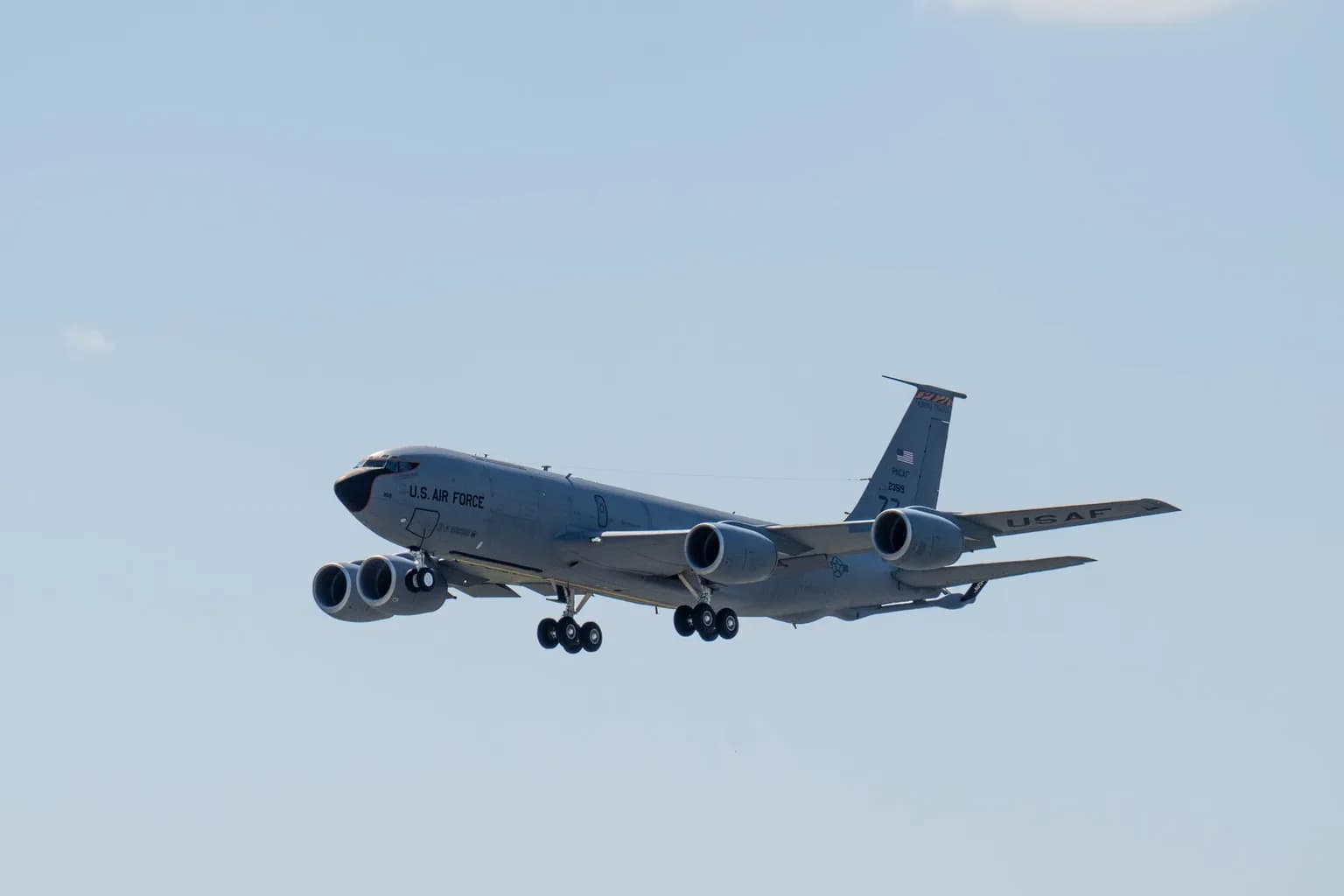
The final 2,500 American service members in Iraq left Erbil Air Base on 30 September 2026, bringing an orderly end to the US and Coalition mission there. The Pentagon formally ended Operation Inherent Resolve inside Iraq that day.
Donald Trump, the US president, called the departure the end of a “costly journey to hell” and said it was time to return home. For Iraqis, the withdrawal was marked by a three-day “celebration of sovereignty”.
The departure ends a 12-year campaign which, Pentagon spokesman Sean Parnell said, had defeated ISIS as an organised military threat. It also ends the direct US military presence in Iraq, though Washington retains bases in the Gulf and Jordan and continues operations in Syria.
The agreement that set the withdrawal in motion was reached under the Biden administration. On 27 September 2024, Washington and Baghdad said the Coalition mission inside Iraq would end by the end of September 2025 at the latest, with withdrawal and support for Syria operations to be completed by September 2026.
The drawdown unfolded in stages. The Iraqi Higher Military Committee announced on 18 January 2026 that federal bases, including Ain al-Asad and the Joint Operations Command, would be evacuated, while limited logistical support would remain in Erbil for Syria operations. On 25 September 2026, the United States handed the Diplomatic Support Center at Baghdad International Airport to Iraqi authorities under an agreement signed that day.
In July, Pete Hegseth, the US defence secretary, and Iraqi officials reaffirmed their commitment to ending the mission by 30 September. Two days before the final departure, the Kurdistan Regional Government’s Ministry of Peshmerga Affairs said it was concerned that the forces were leaving without an alternative air-defence system.
The concern followed more than a thousand drone and ballistic missile attacks on the Kurdistan Region during the US-Iranian conflict, which has continued since late February 2026. That conflict has also exposed the vulnerability of the wider American base network. US military bases across the Gulf have sustained heavy damage from Iranian drone and missile attacks.
About 70 structures at 11 US military bases in the Middle East have sustained $5 billion in damage, according to an American Enterprise Institute report published in late April. The damaged sites span Kuwait, Jordan, Oman, Qatar, Bahrain, the United Arab Emirates and Saudi Arabia.
Hegseth has called for a formal review of the US military footprint in the Middle East. The United States still has more than 50,000 service members in the Centcom region, deployed across the Middle East from Jordan to Oman.
Some within the administration see a smaller presence as a “necessary recalibration”, according to Allison Minor, who handled Arabian Peninsula affairs on the National Security Council during Trump’s first term. Jennifer Kavanagh, a senior fellow and director of military analysis at Defense Priorities, said: “I think the reality is that even if the Pentagon would like to keep military forces in the Middle East after the war, the bases around the Persian Gulf, in places like Bahrain and Qatar and Kuwait, are simply not defensible.” She has proposed closing US bases in Kuwait.
The counter-ISIS mission will now rest principally on Jordan, where about 4,000 US troops remain and can respond. Yet diplomatic observers believe the Iraq withdrawal weakens Washington’s standing as an immediate security guarantor among Gulf states.
America has left Iraq before. Its first withdrawal came in December 2011 under the Obama administration, and the rise of the Islamic State brought US troops back less than three years later. Whether this departure proves more durable will depend on the war with Iran, according to several people familiar with discussions in and around the Pentagon.


Comments (0)