
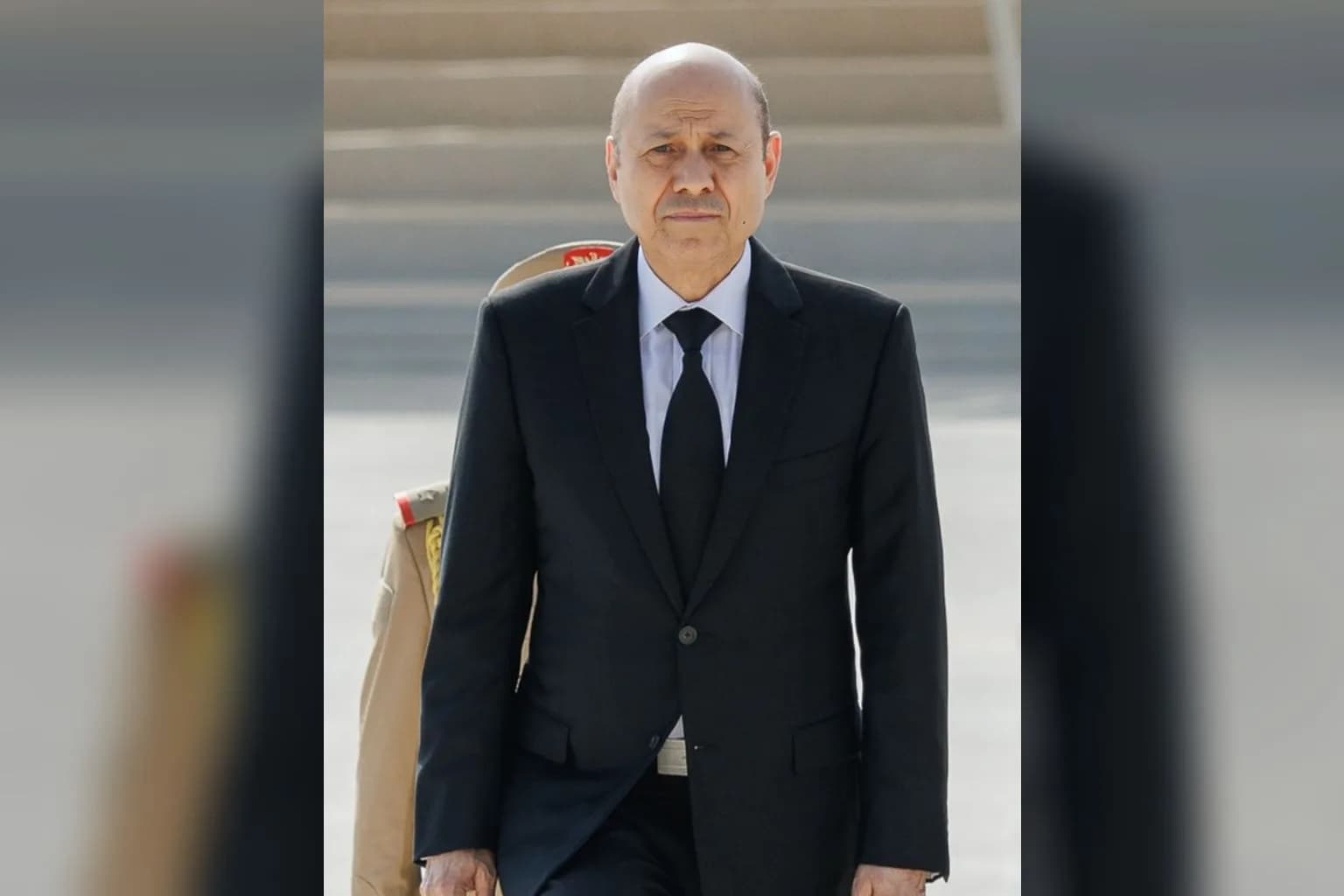
Yemen’s internationally recognised leadership has paired a renewed appeal for peace with an account of the conflict’s economic cost. President Dr. Rashad al-Alimi, chairman of the Presidential Leadership Council (PLC), used an Eid al-Fiter address to discuss a peace road map and recognise political and military figures. In a separate Ramadan address, he said Houthi actions had disrupted oil exports, endangered commodity supplies and increased the risks facing shipping in the Red Sea.
The Eid al-Fiter address coincided with the 2nd anniversary of the PLC’s creation and the 9th anniversary of the expulsion of Iran-backed Houthi militiamen from Aden. Al-Alimi said the Houthis had overthrown the official government and seized substantial parts of Yemen through military force. He described their campaign as an Iranian effort to occupy Yemen.
The Houthis took control of the capital, Sanaa, in 2014, beginning a civil war that has continued since then. A Saudi-led coalition began air strikes in March 2015. A UN-brokered ceasefire occurred in 2022, though fighting has continued in several areas.
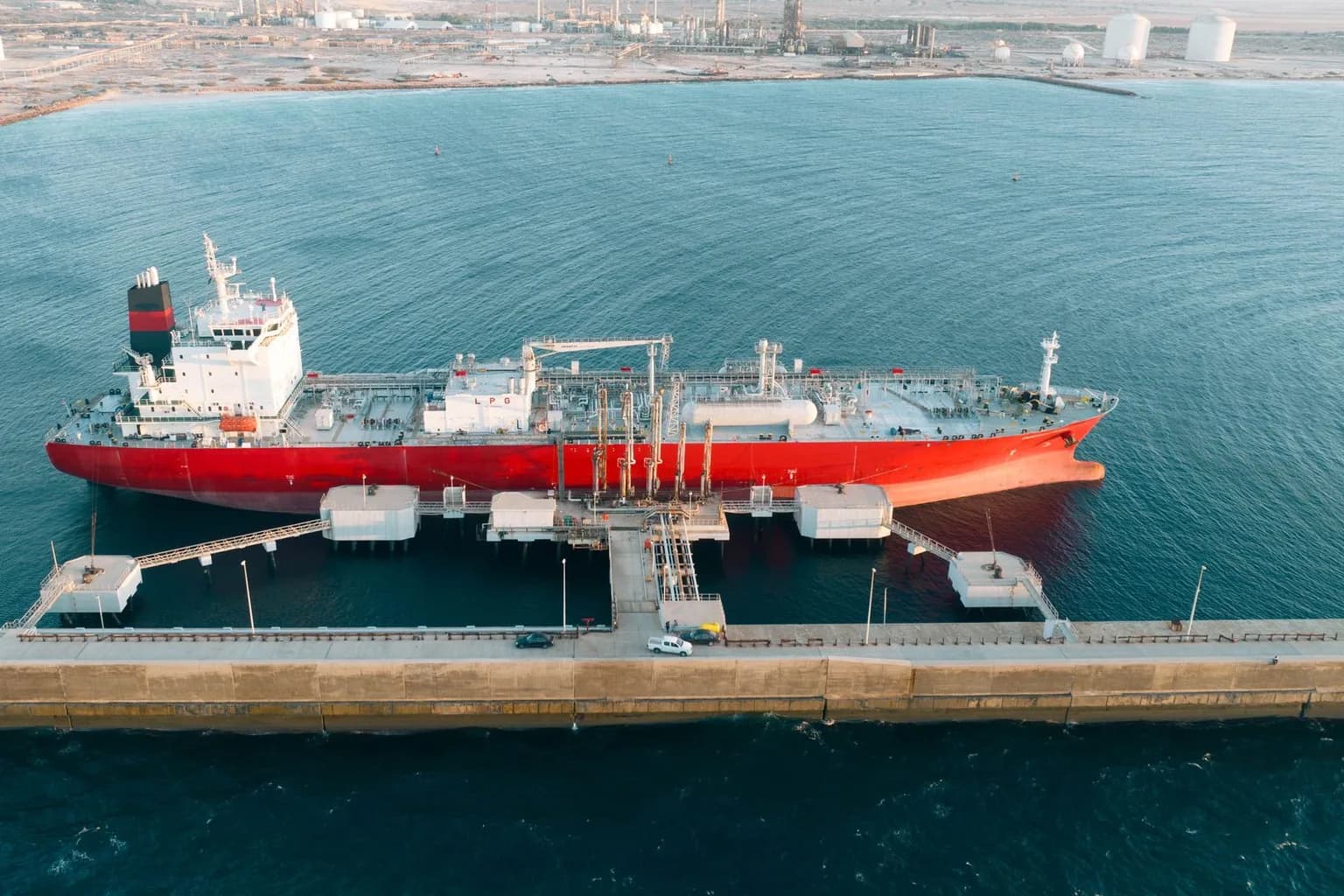
In his Ramadan address, Al-Alimi said oil exports had been halted for 16 months after what he called terrorist attacks on oil facilities. He said the consequences of Houthi hostilities had been catastrophic for Yemenis and for commodity supply chains. Higher shipping and insurance costs, he said, risked causing famine on a large scale.
The president said the Houthi campaign had included terrorist operations in the Red Sea. The Houthis have stepped up attacks there in recent months, saying they are acting in support of Gaza. Al-Alimi said the PLC and the government had made major concessions in pursuit of peace and to reduce humanitarian suffering.
In the Eid al-Fiter address, he said Saudi Arabia and Oman had mediated a road map for peace. In his account, the Houthis answered that initiative with what he called reckless escalation in the Red Sea, using support for Gaza as their justification.
The address followed recent advances claimed by government forces. Government forces captured the strategic overlook of Mount Numan in Lahij province. On September 23, 2026, government troops backed by local fighters took Mount Qarfan in Taiz governate, killing five Houthis and injuring twenty, according to the account provided.
Fighting has also continued elsewhere. Clashes between Houthi and government forces in coastal highlands near al-Jawf, Marib, Saada and Taiz killed at least 154 people over the past three days as of September 22, 2026. Saudi King Salman bin Abdulaziz Al Saud strongly condemned the Houthis for launching a drone targeting Mecca.
Al-Alimi also used the Eid al-Fiter address to recognise political and military figures. He awarded veteran politician Mohamed Qahtan the 26 September Medal of First Grade. Maj. General Mahmood al-Subaihi, Maj. General Nasser Mansour Hadi and Maj. General Faisal Rajab were promoted to the rank of Lt Gen.
The Eid al-Fiter address reaffirmed the government’s stated support for peace efforts. Al-Alimi’s separate Ramadan address presented the conflict as one with direct effects on public services, food security and trade. The brief did not provide details of any new military recruitment programme or terms for amnesty for Houthi defectors.


Comments (0)