
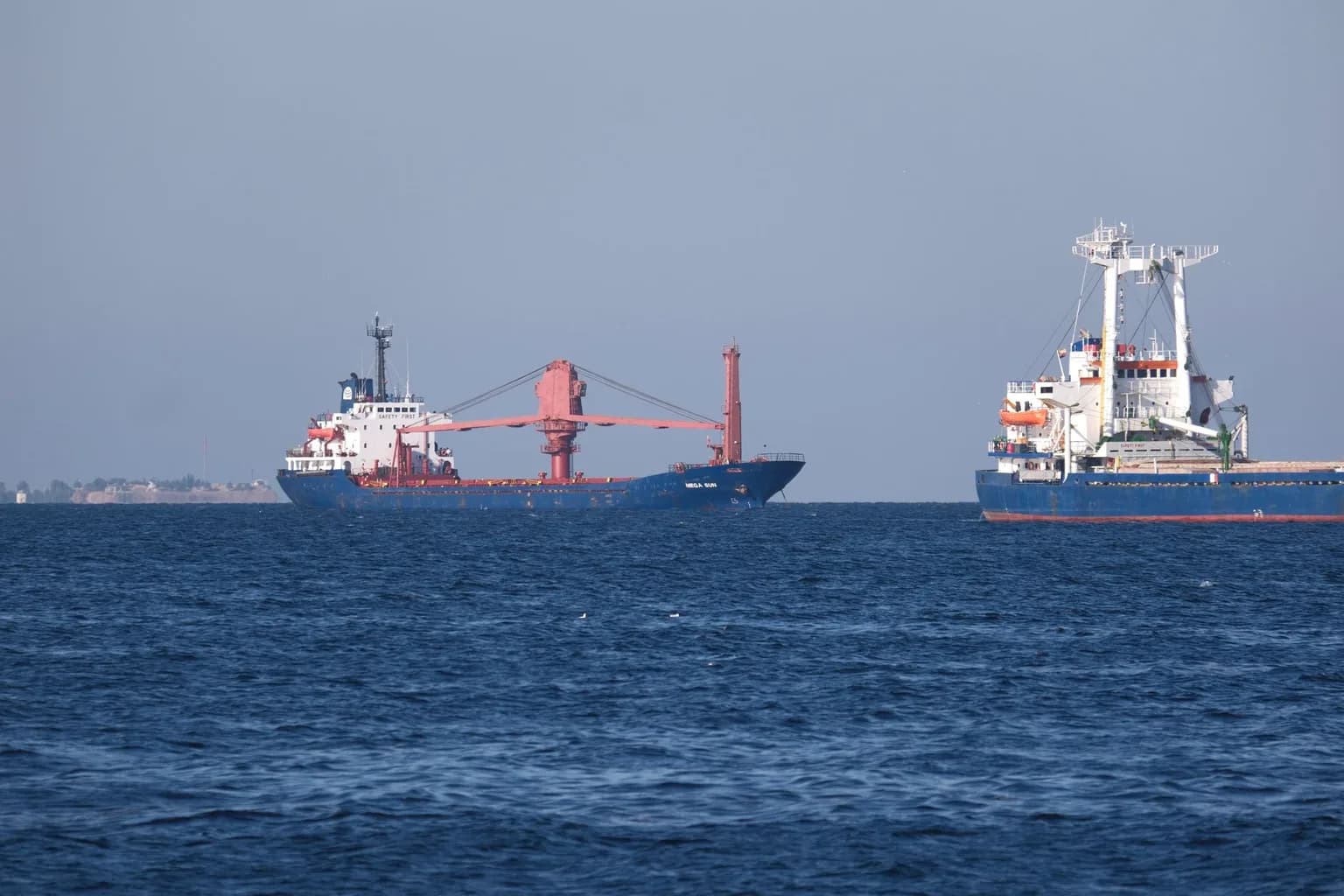
Explosions occurred near a tanker ship off the coast of Yemen, underlining the continuing danger for commercial vessels using Red Sea-linked routes.
The incidents come after Iran-backed Houthi rebels began a sustained campaign against commercial shipping in the Red Sea after 19 November. The group has targeted vessels it deems linked to Israel and says it is acting in solidarity with Palestinians.
The Red Sea normally carries 12% of seaborne trade, leaving shipowners and crews exposed to the effects of a campaign that has involved missiles, fires and fatal attacks.
A missile struck the fuel tanker Marlin Luanda while it was carrying Russian naphtha, setting a fire on board.
On Monday, the militia hit a Norwegian tanker with a cruise missile as it travelled from Malaysia to Venice, Italy, carrying vegetable oil and biofuels.
The Greek-owned oil tanker MV Sounion was also attacked in the Red Sea while carrying over one million barrels of oil. It remained ablaze after the attack, and the Pentagon said the vessel posed a risk of an oil spill.
Three sailors died after a Houthi missile attack on a ship in the Gulf of Aden. The deaths were the first crew fatalities in commercial shipping caused by Houthi strikes.
The US and UK conducted airstrikes in the early hours of 12 January. US-led strikes also targeted nearly 30 sites in Yemen on Thursday, after which the Houthis declared British and American vessels “legitimate targets”.
A US-led force will patrol “the Red Sea and the Gulf of Aden to respond to and assist as necessary commercial vessels,” Maj. Gen. Pat Ryder said.
Shipping companies have responded by changing their routes. Maersk rerouted vessels from the Red Sea after one of its container ships came under attack, while freight rates rose as ships travelled around Africa and insurance costs climbed sharply. Sailors have demanded double pay because of the risks.



Comments (0)