
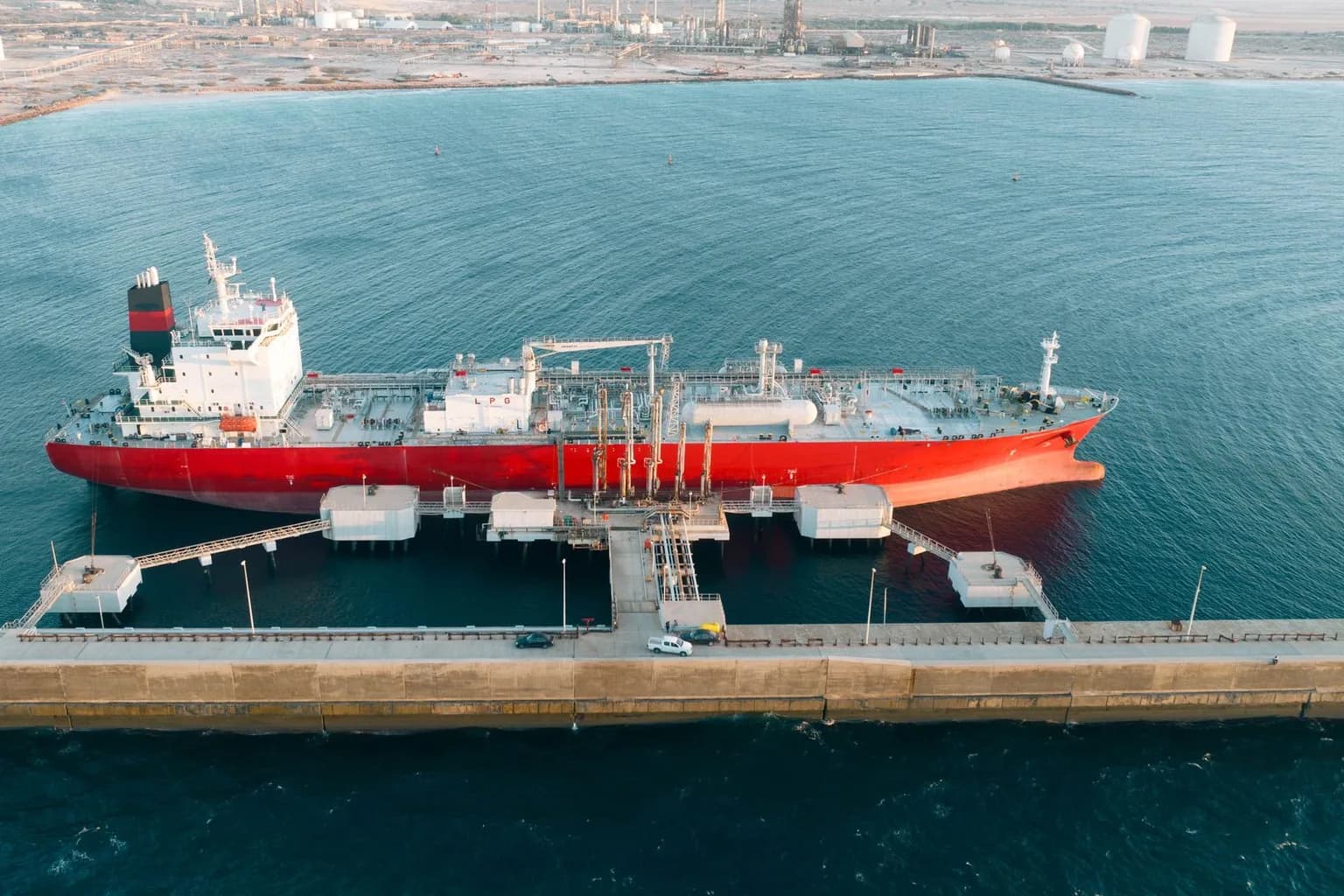
Houthi attacks on commercial shipping in the Red Sea have turned the Bab al-Mandeb Strait into a centre of regional confrontation, disrupting a route that carried about 30% of global container traffic before the recent rounds of conflict. The campaign has also increased scrutiny of risks to oil markets, although the available information does not show a direct link between particular attacks and oil-price movements.
Since November, Houthi forces have carried out nearly 100 attacks on ships crossing the Red Sea. They have sunk two vessels, seized another and killed at least four seafarers. Greek-owned ships account for nearly 30 percent of the vessels targeted, according to the information available.
The Yemen-based group says it is acting in solidarity with Palestinians during Israel's year-long war in Gaza. Its forces have fired missiles, deployed armed drones and sent boats loaded with explosives against commercial vessels since last year. In late 2023 and into 2024, the Houthis widened their operations to include commercial shipping and military vessels in the Red Sea and Bab al-Mandeb, using drones, anti-ship cruise missiles and ballistic missiles.
The attacks have drawn a US-led airstrike campaign against the Houthis since January, alongside naval operations led by the USS Dwight D. Eisenhower. The US Navy is facing its most-intense maritime fighting since World War II, with commercial ships and warships facing near-daily attacks.
Several incidents illustrate the scale of the threat. The Belize-flagged Rubymar sank in the Red Sea in March after taking on water following a rebel attack. The vessel was carrying fertilizer. The bulk carrier Tutor also sank in the Red Sea after an attack by Yemen's Houthi rebels. It had come under attack from a bomb-carrying Houthi drone boat.
A Reuters photograph released on 29 August 2024 showed flames and smoke rising from the Greek-flagged oil tanker Sounion. In a separate warning, a message said that a vessel had breached a Houthi transit ban by docking at an Israeli port.
The Yemen-based Humanitarian Operations Coordination Center, known as HOCC, was established in February to liaise between Houthi forces and commercial shipping operators. The existence of such a channel has not stopped the attacks, which continue to involve vessels crossing one of the world's narrowest and most important maritime passages.
The Bab al-Mandeb Strait narrows to roughly 20 miles at its tightest point. It links the Red Sea with surrounding shipping routes, making its security significant for commercial traffic. Houthi fighters have also crossed onto Mayyun, also known as Perim, Island, which sits in the middle of the strait. The group controls positions along the Red Sea coast, according to the information provided.
Iran is central to the wider regional context. Iran's Islamic Revolutionary Guard Corps and its Quds Force train, arm and advise militias across the Middle East, including Yemen's Houthi movement. The available information does not establish whether the Iranian government authorised particular attacks.
Diplomacy has proceeded alongside military action. On 10 January 2024, US envoys met Iranian officials in Oman in an effort to contain the crisis. The meeting followed the largest coordinated Houthi attacks on shipping and US-led naval forces in the Red Sea, described as the most significant assaults on the US Navy in decades.
The attacks have therefore placed a military contest alongside a major commercial route. What remains unclear is whether the airstrikes have reduced the frequency of attacks, how long the campaign will continue, and the extent to which disruption has affected oil supplies rather than other cargoes.


Comments (0)