
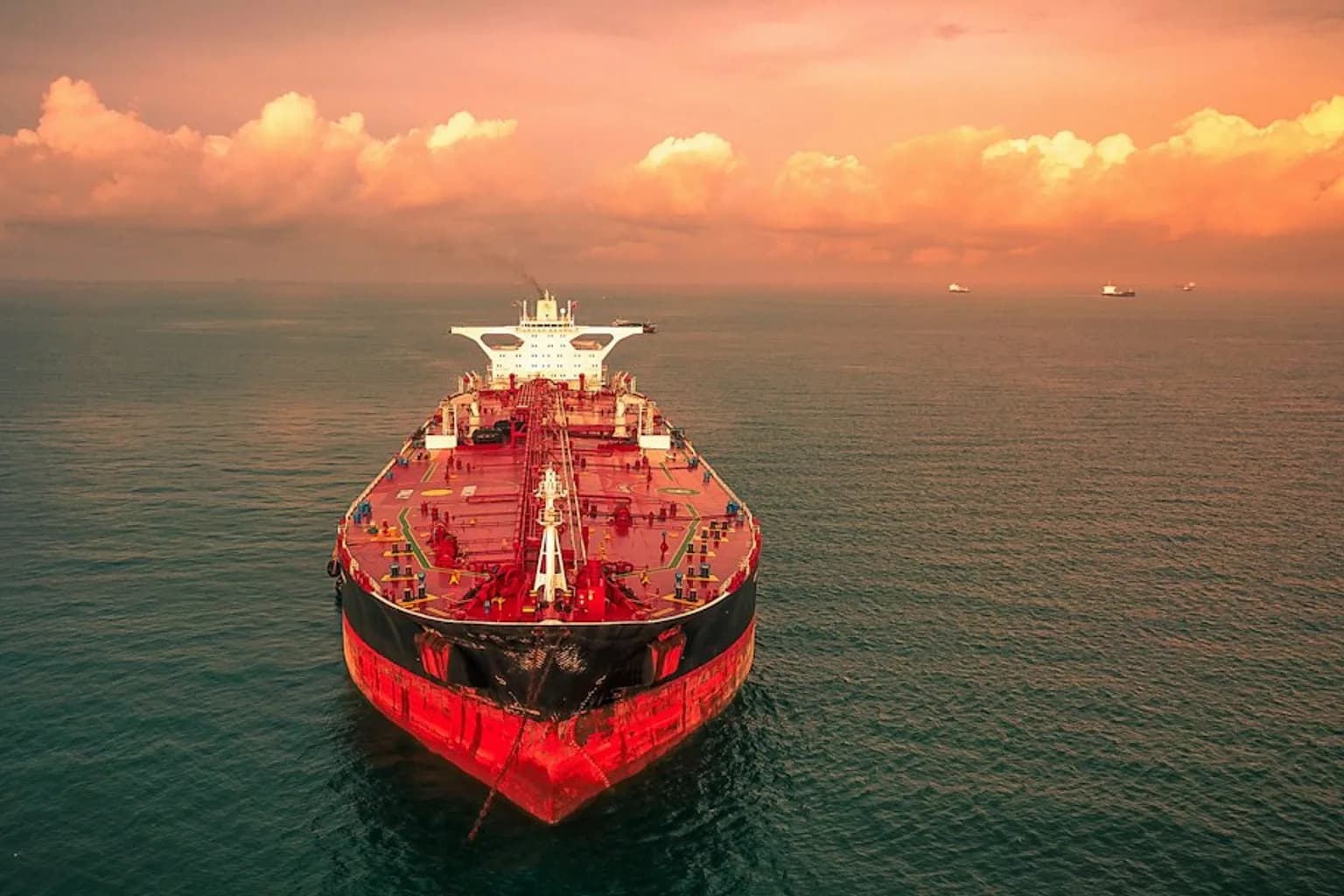
Ali Qais Abdul Jabbar, director general of the Iraqi Oil Tankers Company, negotiated with specialist shipping companies to charter a very large crude carrier, or VLCC, for a shipment of Iraqi crude. The vessel was loaded with 2 million barrels at Basra before passing through the Strait of Hormuz, where ongoing confrontations have severely disrupted shipping.
The voyage marked the Iraqi Oil Tankers Company’s first major crude shipment through the Strait in decades. The company said routing cargo through the Strait rather than Basra Port gives Iraq “better sales and pricing opportunities”.
The push comes as Baghdad tries to regain control of the transport that carries the country’s main source of state income. Iraq depends on oil for at least 90 per cent of state revenue. It has relied for years almost entirely on chartered foreign vessels to move crude and petroleum products.
The company once owned 23 tankers, before wars, sanctions and the suspension of modernisation efforts depleted the fleet over the past few decades. Iraq now has six small-capacity tankers, used mainly for petroleum products, and lacks supertankers capable of carrying crude oil.
The pressure on export logistics has grown as traffic through the Strait has fallen. Total flows dropped to 6.02 million barrels per day in September, less than a third of February’s levels, because of the confrontations. Iraq’s crude exports averaged about 2.6 million barrels a day in September as of 21 September.
The Iraqi Oil Tankers Company is now negotiating to buy specialised crude tankers “as soon as possible”, as it seeks to reduce its dependence on third-party carriers and build direct logistical control. Abdul Jabbar said the company was pursuing specialised crude carriers to strengthen its fleet and compete with regional shipping companies.
Basim Khudair, Iraq’s oil minister, said the ministry was coordinating with the government to secure funding for tanker purchases. The Ministry of Oil is seeking modern tankers with a capacity of two million barrels, and Khudair said ownership would maximise financial returns and ensure economic viability.
Baghdad is also developing other export routes as it plans to raise total export capacity to 5 million barrels per day. Its diversified routes include Fishkhabour and Baniyas. Iraq signed a memorandum with Syria in July for a pipeline to Baniyas, and agreed with Turkey in August on a minimum of 750,000 barrels a day through Ceyhan.
Prime Minister Ali al-Zaidi said in Berlin last month that Iraq “will not remain hostage to a single corridor”. The tanker purchase effort and the new route agreements form part of that broader export strategy.
Comments (0)