
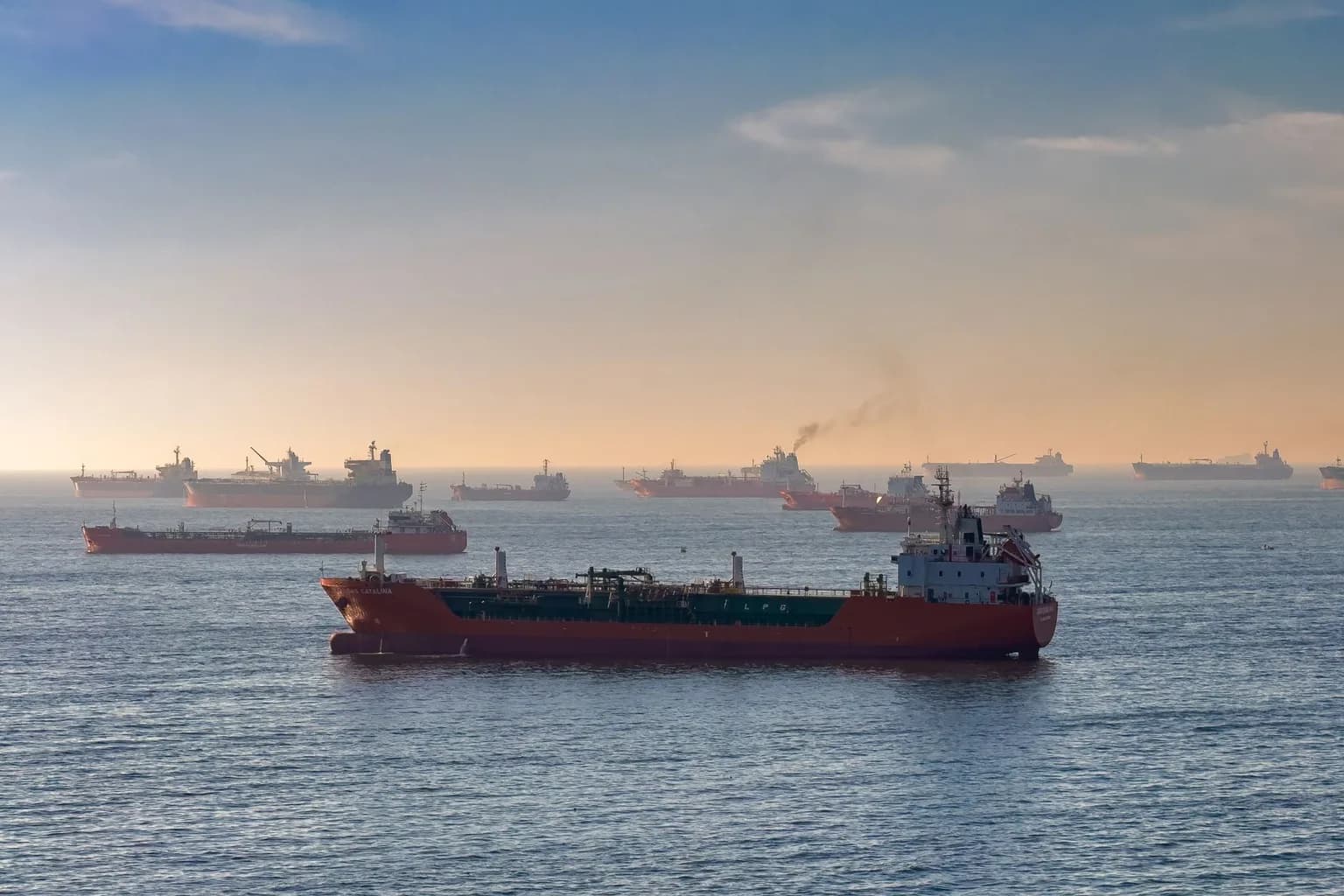
Oil is flowing again through the Strait of Hormuz, Trump has said, while the East-West bypass pipeline has restored about half of its capacity. Yet Brent crude was still at $99-100 on 1 October, compared with $72.50 before the crisis, and European gas was €73/MWh against a pre-crisis €32.
That gap leaves drivers and businesses facing higher fuel costs even as some supply has returned. The brief recovery in production has yet to bring market prices down in line with the added flows.
The disruption began with US-Israeli strikes on Iran on 28 February 2026. Iran then closed the Strait of Hormuz, a move the IEA described as the largest supply disruption in oil-market history.
An 8 April ceasefire briefly brought traffic back through the strait and returned oil to pre-war levels.
That respite ended when the truce collapsed on 7-8 July. The US began blockading Iranian ports from 14 July, and the Houthis declared a ban on Saudi shipping from 20 July.
Disruptions continued into September. The Houthis seized Mocha on 10 September, while drones from Iraq shut the East-West bypass pipeline on 10-11 September.
The pipeline restarted at reduced rates around 22 September. By 28 September, flows had recovered to roughly 3.5 mb/d, about half of its 7 mb/d capacity.
Trump said in a Truth Social post that the US would not attack Iran before the midterm elections in November. He also said the blockade of Iranian ports remained in force.
The available figures show renewed pipeline flows and continuing restrictions. They do not establish why oil and gas prices have yet to fall proportionally, how quickly supply may recover beyond 28 September, or whether further disruption will follow.
Comments (0)