
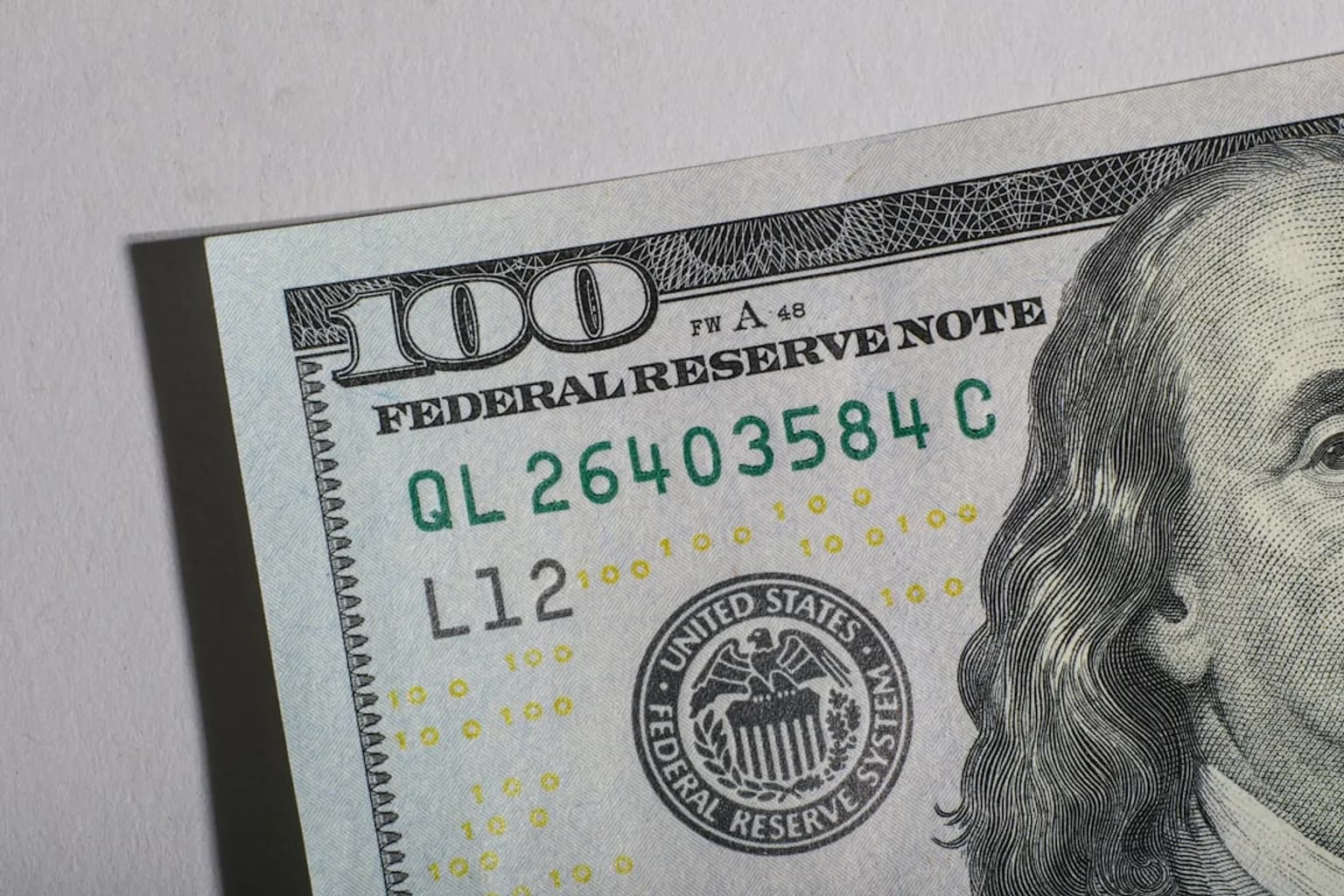
Markets had largely priced in a Federal Reserve rate increase before Wednesday’s decision. Equities still fell after the central bank raised borrowing costs for the first time since July 2023 and signalled that inflation may remain above target for years.
The Federal Open Market Committee voted unanimously, 12-0, to raise the federal funds rate by 25 basis points, taking its target range to 3.75%–4%. The decision ended a period in which the Fed had kept rates unchanged since July 2023.
Fed Chair Kevin Warsh said persistent inflation drove the decision. “The plain fact is that inflation is too high, and has been for too long,” Warsh said. He added: “This summer's inflation readings do not tell me that underlying trends have meaningfully improved.”
The move came despite pressure from the White House for the Fed to leave rates unchanged. President Trump said after the decision that “Interest Rates in the United States should be 1%, or less”.
Annual consumer price index inflation stood at 3.4% in August, down from a peak of 4.2% in May. Monthly CPI rose 0.4%, in line with forecasts. Core inflation rose 0.3%, exceeding estimates.
The Fed’s revised projections put headline personal consumption expenditures, or PCE, inflation at 3.7% for the year and core PCE at 3.4%. Both forecasts were 0.1 percentage point above those made in June. The central bank does not expect inflation to return to its 2% target until 2029.
Its projections also pointed to a further tightening of policy. Sixteen of 18 FOMC participants expected at least one additional increase this year. Markets put the chance of another quarter-point rise at 45% for October and 30% for December.
Traders had moved sharply towards expecting Wednesday’s action. The CME FedWatch tool showed a 92.5% probability of a quarter-point increase before the 2 p.m. ET decision. In the moments before the announcement, markets were placing better than 90% probability on such a move, compared with 33.1% a month earlier.
The market reaction was nevertheless negative. The Dow Jones Industrial Average fell 407 points, or 0.8%, in afternoon trading on Wednesday. The S&P 500 lost 0.4%, while the Nasdaq Composite was little changed. Bank and financial shares were among the hardest hit.
Oil also declined. Brent crude slid 0.7% to $107.92 a barrel, while West Texas Intermediate dropped 1.2% to $104.55 per barrel.
The unanimity marked a change from the July meeting, when the FOMC left rates unchanged in a 9-3 vote. Three dissenting regional bank presidents had each argued then for a quarter-point rise. The latest decision indicates that the committee now shares a stronger concern about inflation, though whether further increases follow will depend on the economic data during the rest of 2026.
Comments (0)