
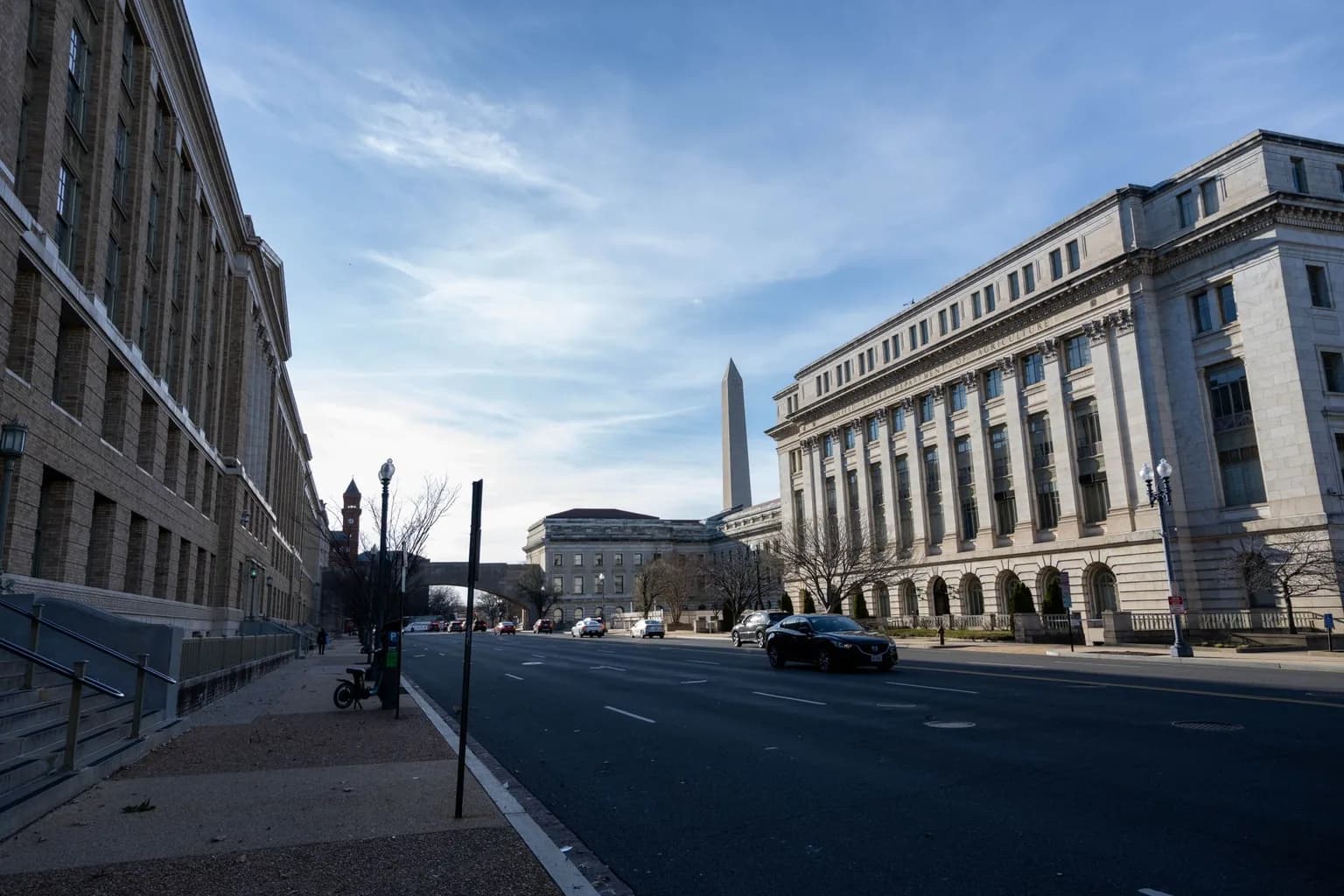
The Federal Reserve has raised its benchmark interest rate by 25 basis points to 3.75%-4.00%, its first increase in more than three years, as policymakers said inflation remained too high.
The Federal Open Market Committee approved the move by 12-0 on Wednesday. It was the first rate rise since July 2023 and the first change in either direction since a cut in December 2025.
Kevin Warsh, the Fed chair who took office in May, said inflation was “too high, and has been for too long”. US inflation has exceeded the central bank’s 2% target for more than five years.
Warsh said policymakers were not confident that inflation trends had “meaningfully improved”. He described the increase as a “sober” and “responsible decision” that would “support a timelier return” to the Fed’s 2 percent inflation target.
The decision signals a shift after a period in which rates had been held steady and later reduced. It also sets the Fed on a course that could further raise borrowing costs for households and businesses if the committee follows through on its projections.
A majority of Federal Reserve policymakers said they expected another increase before the end of the year, which would take rates to between 4-4.25%. A small majority said rates could rise further to 4.25-4.5% next year, before cuts begin in 2028 and 2029. Those projections are not a commitment to act, and the number of future increases remains unknown.
Financial markets fell after the announcement. The S&P 500 declined 0.9%, the Nasdaq fell 0.5%, and the Dow dropped 850 points. The 2-year treasury yield rose six basis points to 4.725%, while the 10-year yield increased one basis point to 5%.
Major US banks JP Morgan, KeyCorp, and BNY raised their prime lending rate on Wednesday to 7% from 6.75%.
Mortgage borrowers already face higher rates. Freddie Mac said the average 30-year fixed mortgage deal was 6.76%, while the average 15-year deal was 6.09%.
President Donald Trump criticised the decision and repeated his call for sharply lower rates. He said US interest rates should be 1% or lower and should be cut fast.
Trump said the Fed board was “very hostile” and “very political”, accusing it of “doing the wrong thing”. The criticism put the central bank’s independence at the centre of the dispute over monetary policy.
Warsh responded: “Part of the independence of the Federal Reserve is we stay in our lane.” During his confirmation process, he had assured Congress that central bank policymakers would “have no tolerance for persistently elevated inflation”.
The immediate effects of the increase are visible in market prices and lending rates. The longer-term outcome will depend on whether inflation returns to the Fed’s target, whether further increases take place, and how the economy responds to higher borrowing costs.
Comments (0)