
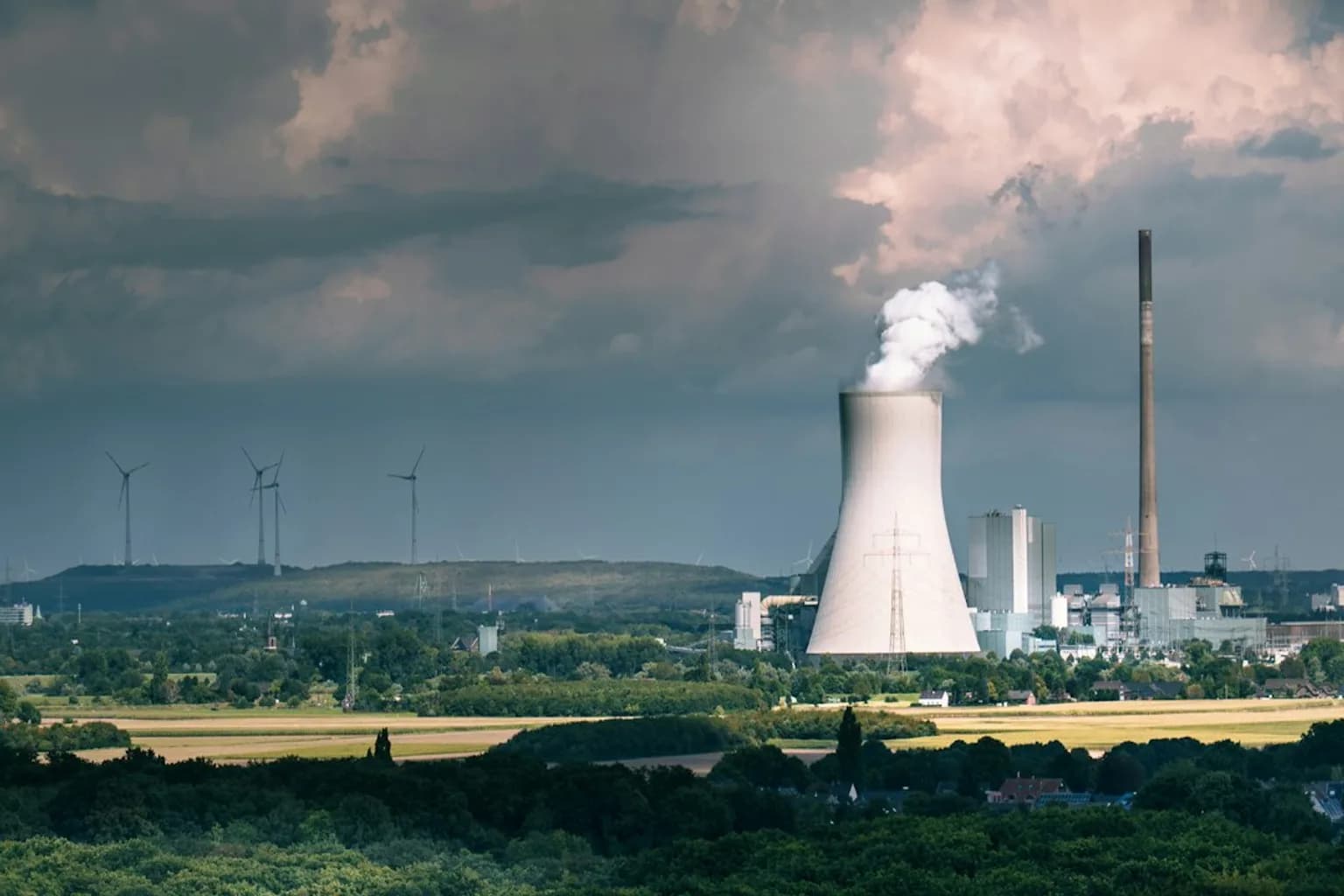
Europe’s effort to replace coal with cleaner fuels is being tested by a sharp rise in natural gas prices. Benchmark European gas prices have moved above €80 ($90.98) per megawatt hour this month, their highest level in three years, and power generators are responding to the changed economics by increasing their use of coal and lignite.
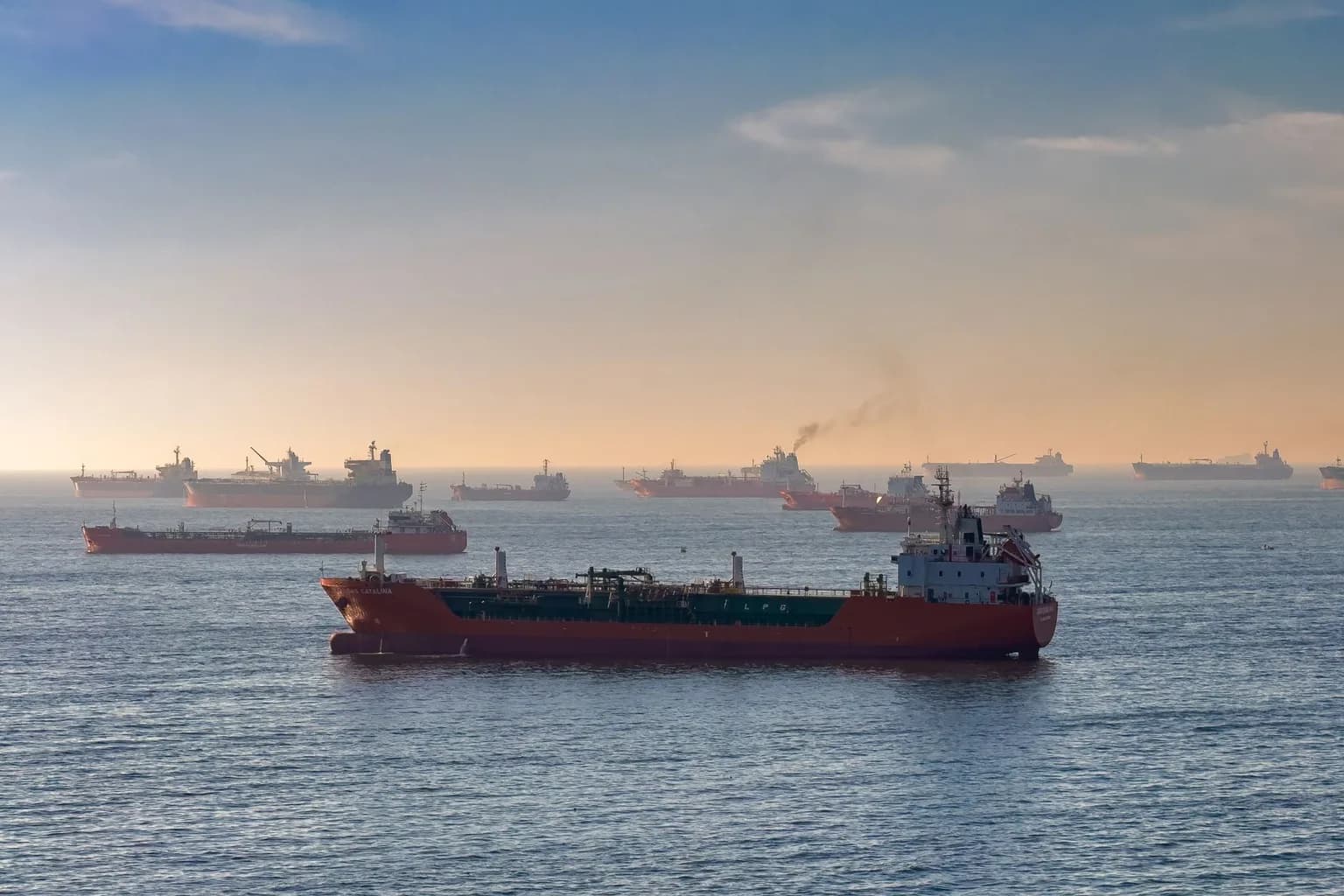
The Iran-US war has choked shipments of liquefied natural gas, or LNG, through the Strait of Hormuz. Coal and lignite plants are now more profitable to run on average than comparable gas-fired units for the first time since at least 2024.
Power generation from coal is likely to rise by approximately a quarter during the next six months. Analysts expect coal-fired generation across Europe to increase about 27 percent in the fourth quarter, while gas-fired output falls. Gas generation is expected to plunge by a similar magnitude to the anticipated increase in coal output.
The change is particularly marked in Germany, Europe’s biggest power market and gas consumer. Coal-fired generation there is expected to be close to its practical limit in the fourth quarter, matching the strongest quarterly output ever delivered by the remaining fleet.
The price signals are evident in measures used to assess the returns from generating electricity. The so-called clean dark spread, which measures coal-generation profitability, has risen sharply since the conflict began in late February. The clean spark spread, the equivalent measure for gas-fired generation, has fallen.
Analysts expect coal to remain cheaper than gas for generating power through next year and potentially until March 2028. That forecast leaves the duration of the shift dependent on both fuel markets and the course of the conflict, neither of which is clear.
The prospect of a prolonged period of expensive gas has also revived discussion of idle coal capacity. Energy Minister Gilberto Pichetto Fratin said plants such as Brindisi and Civitavecchia could be reactivated if gas remained above about €70/MWh.
European policymakers have previously sought to limit the effect of extreme gas prices. In 2024, the EU agreed to cap gas prices through a solidarity mechanism expected to apply during periods of high prices. The brief does not set out whether that mechanism will be used in the current market conditions.
Higher energy costs had already weighed on businesses before the latest rise. In 2024, 38% of EU energy companies identified higher electricity purchase costs as a key source of pressure on margins. The household natural gas price stood at 0.12 EUR/kWh at the end of 2024.
Gas markets had been considerably less expensive than at their earlier peak. In 2024, LNG prices in Europe linked to the Title Transfer Facility, or TTF, averaged around $18/MMBtu, compared with a 2022 average of about $66/MMBtu. The current disruption has again altered the relative cost of gas and coal, placing pressure on a power system built around moving away from the latter.
The immediate shift reflects generators’ fuel costs rather than any announced reversal of climate policy. Its longer-term significance will depend on whether LNG flows through the Strait of Hormuz recover and whether gas prices fall far enough to restore the advantage of gas-fired generation. The brief provides no quantified estimate of the emissions effect of the projected increase in coal output.



Comments (0)