
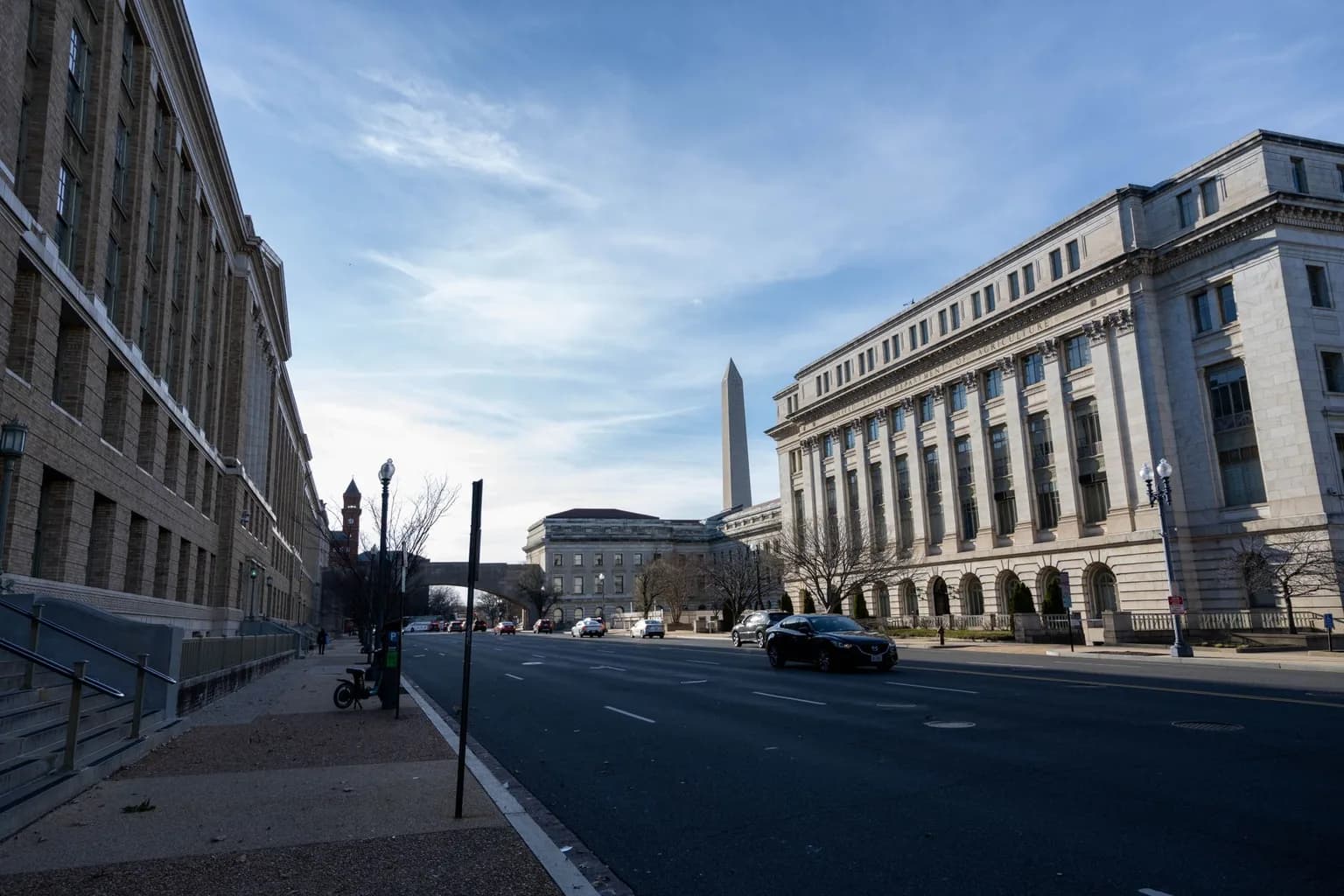
“The clear fact is that inflation is too high and has remained elevated for too long,” Chair Warsh said, setting out the problem confronting the Federal Reserve. “We need clear confidence that underlying inflation is moving toward the target at a sufficiently rapid pace.”
That confidence will be tested by two reports arriving shortly before the Federal Open Market Committee’s next scheduled meeting on 18 September 2024. The August jobs report is due on 6 September, twelve days before the decision, and the August Consumer Price Index is due on 12 September, six days beforehand.
The Fed will release its rate decision at 2:00 PM ET on 18 September 2024.
In June 2024, the committee held rates steady and said that “some additional easing may be appropriate”. The central bank has since stressed that its decisions are “data-dependent”, leaving the employment and inflation figures with an unusually direct role in setting the course of policy.
Slower wage growth in the August jobs report could lead the Fed to signal another cut in November. An increase in inflation, even a small one, could halt the move towards lower rates.
Officials are also watching whether the labour market cools further and whether services inflation declines on a sustained basis. Tensions in the Red Sea are another uncertainty because disruption to global trade could affect inflation.
Warsh said the summer’s figures had yet to settle the question. “Based on this summer's inflation indicators, we cannot conclude that the underlying trend has meaningfully improved,” he said.
The caution follows a stated rate decision on September 16, when the Federal Reserve raised its benchmark interest rate by 0.25 percentage points to 3.75%–4.00% per annum, from 3.50%–3.75%. It was the Fed’s first rate rise since July 2023, and all 12 committee members voted unanimously for it.
The Fed said “Inflation remains elevated” while “Economic activity is expanding at a solid pace”. It projected real gross domestic product in the fourth quarter of this year would rise by 2.3% year-on-year.
Its forecast for this year’s increase in the Personal Consumption Expenditures price index rose from 3.6% to 3.7%. The forecast for core PCE price inflation, which excludes food and energy, rose from 3.3% to 3.4%.
The Fed expects the PCE inflation rate to reach 2.3% in 2027 and 2.1% in 2028, before reaching its 2.0% target in 2029.
The New York Stock Exchange closed lower after the Fed’s announcement. A September pause rather than a cut would likely trigger a sell-off in risk assets as markets adjust to expectations of fewer cuts in 2024.
Comments (0)