
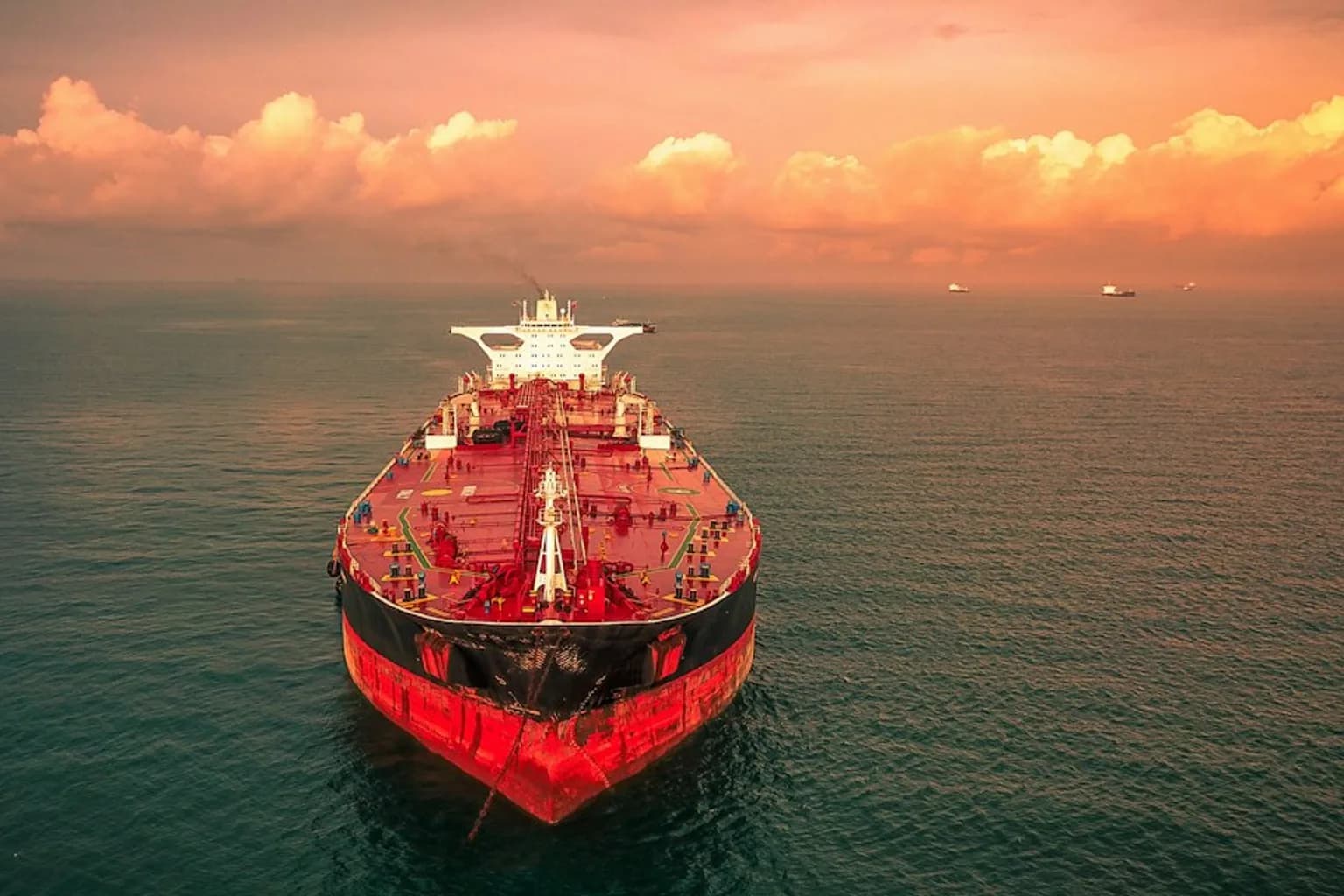
Iran’s offshore crude stores near Malaysia are becoming a dwindling source of cash. A US maritime blockade has stopped fresh barrels leaving the Persian Gulf, leaving Tehran dependent on crude already held in Southeast Asian waters.
UANI puts the remaining volume in floating storage around Malaysia’s Eastern Outside Port Limits, known as the EOPL, at no more than roughly 10 million barrels. An estimated 9 million barrels of Iranian crude were moved in ship-to-ship transfers off Malaysia during September.
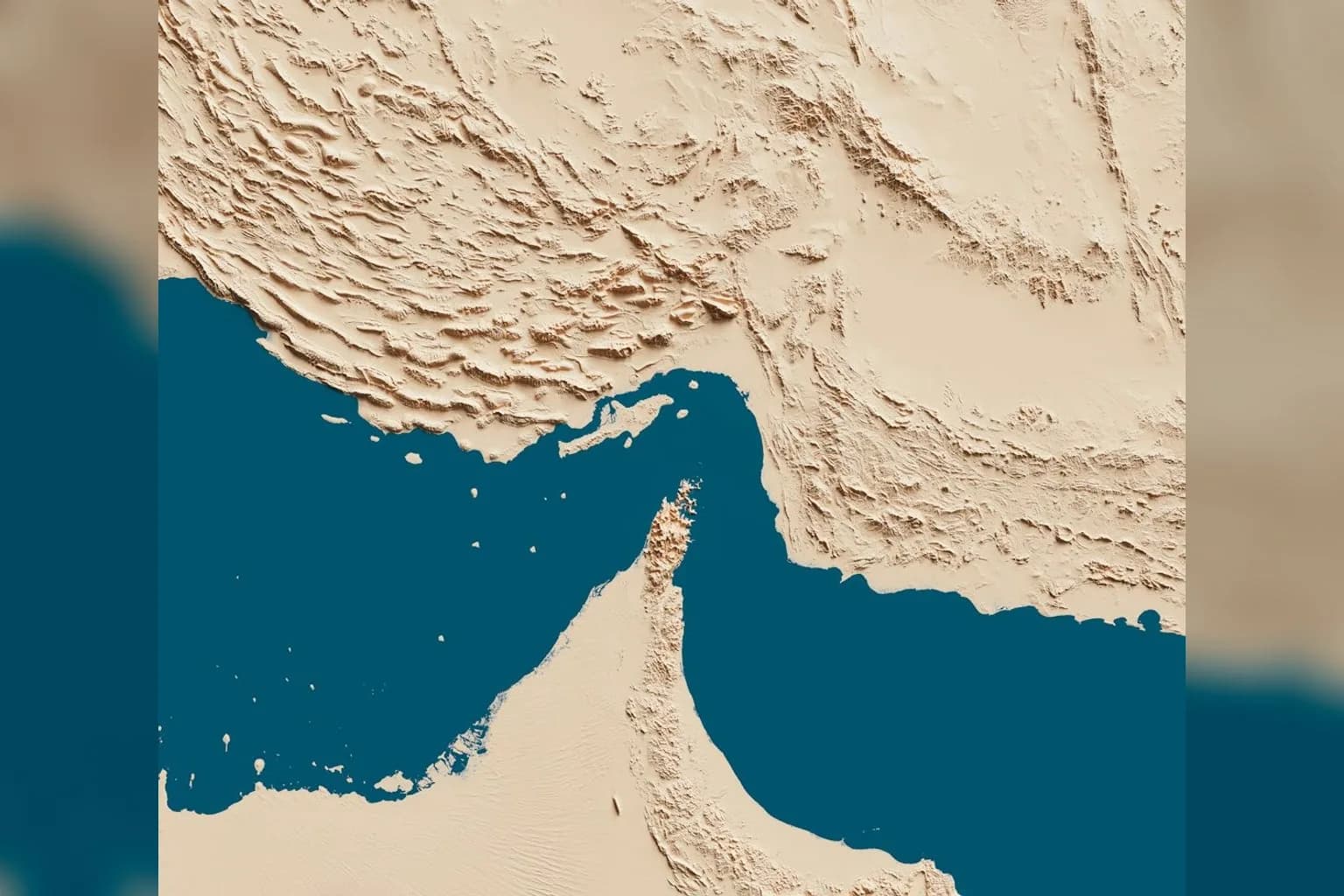
Iran cannot readily replenish those holdings. No newly exported Iranian crude has crossed the US blockade line since 14 July, and Iranian oil exports have been unable to pass through the Strait of Hormuz since the US Navy imposed its blockade in July.
Exports fell from 966,133 barrels per day in July to 49,677 bpd in August and 50,789 bpd in September. Iranian crude loadings dropped to around 210kbd in August, their lowest level since 2020.
Satellite monitoring recorded no crude loadings at Iranian export terminals during September. Bloomberg’s preliminary estimates likewise indicated that no crude was put on tankers that month, the first month in which crude shipments fell to zero.
China, historically Iran’s largest buyer of crude, received no newly exported Iranian barrels during September under UANI’s methodology.
The disruption has left vessels scattered across the region. At least 50 tankers carrying Iranian crude and other cargoes are waiting in waters near Iran as the blockade continues. Twenty Iranian-flagged vessels were anchored near Sri Lanka, with one more waiting near Oman.
Empty tankers that need to return to Iran are remaining in the Indo-Pacific region to avoid the US blockade.
The present restrictions follow months of pressure and conflict. The Trump administration renewed its maximum-pressure campaign in February 2025.
The United States and Israel launched their conflict with Iran on 28 February. The US began a naval blockade of Iranian ports on 13 April, then allowed some Iranian barrels to move during a subsequent easing before restrictions returned in July.
The loss of export routes has reduced Iran’s means of converting crude into foreign currency as inflation and the exchange rate put pressure on household incomes. Inflation is averaging more than 80 percent annually, while the rial traded at more than 2.3 million to the dollar in September.
Iran’s official minimum monthly wage is about 166 million rials, worth roughly $71 at the September exchange rate.
It remains unclear when, or whether, the blockade will be lifted. For now, offshore crude stocks are falling while new exports remain unable to reach the blockade line.

Comments (0)