
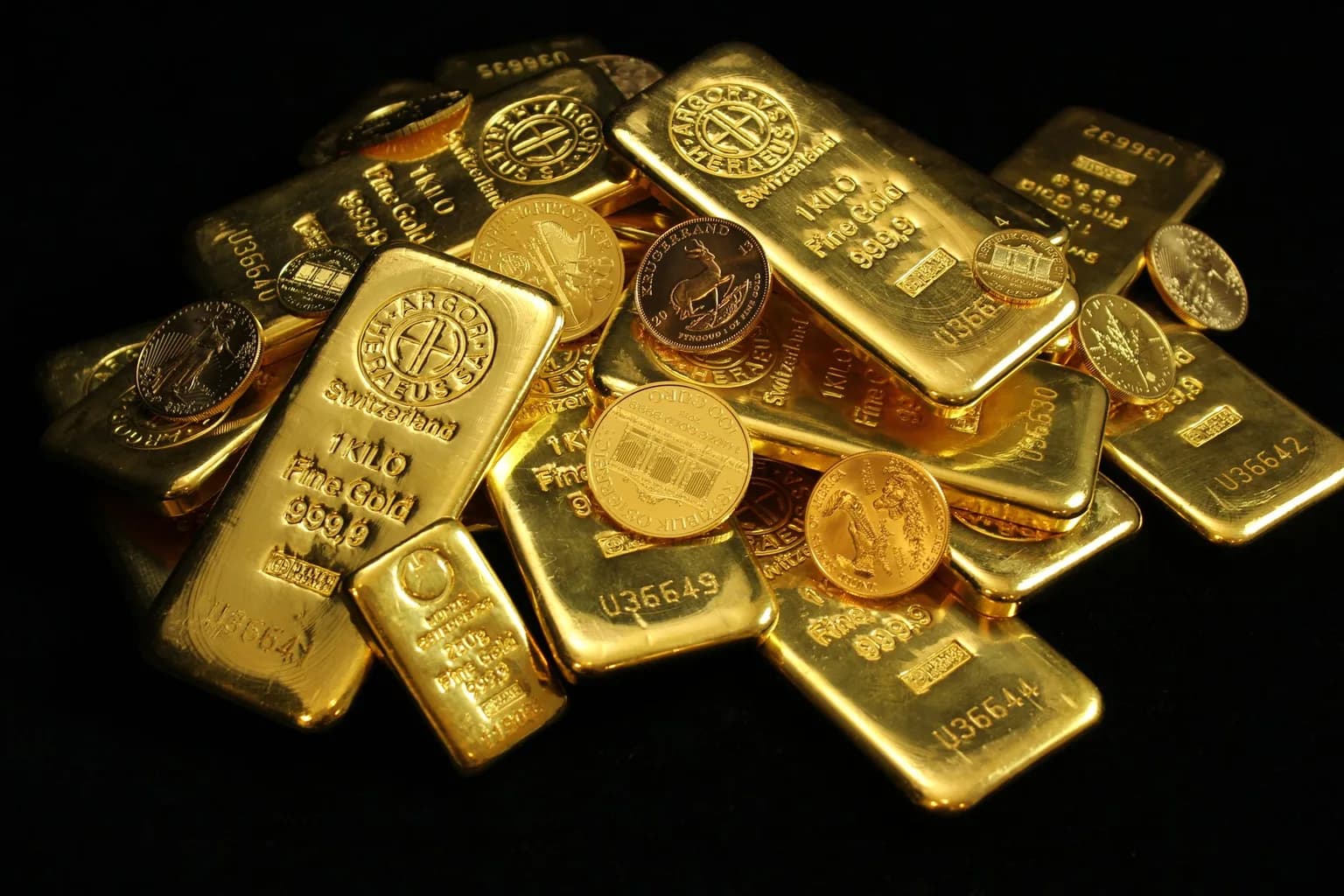
London shut Russian bullion out after the outbreak of the Ukraine conflict. Hong Kong, which has no equivalent sanctions, received almost 100 tonnes of gold from Russia in the first seven months of 2026, almost three times the volume recorded in the same period in 2025.
The contrast marks a sharp change in the trade’s route. London had been the most important trading place for Russian producers, while Hong Kong has become a key hub for gold that is largely sent on to mainland China.
Russia is the world’s second-largest gold producer after China. Since the beginning of 2022, entities in Hong Kong have acquired Russian gold worth approximately $35 billion.
Debajit Saha, an analyst at the London Stock Exchange Group, said Russian producers have increasingly redirected exports to eastern markets since London closed its doors to Russian gold.
The redirection began after Russia’s full-scale invasion of Ukraine in early 2022, when the US and UK imposed comprehensive sanctions on Russian gold.
In March 2022, the London Bullion Market Association removed six Russian gold refineries from its Good Delivery list. Gold removed from the list is effectively unable to be transacted on the London and New York exchanges.
At a Group of Seven summit in Elmau, Germany, in June 2022, the United States, the United Kingdom, Canada, Japan and key European Union countries agreed on strong sanctions to completely ban imports of Russian gold.
The EU prohibition took effect on 22 July 2022. It barred the direct or indirect import, purchase or transfer of specified Russian-origin gold.
Russian bullion initially moved to Dubai after the sanctions closed Western markets. Hong Kong later overtook Dubai as the leading hub after the UAE increased scrutiny of illicit bullion activity.
Hong Kong imported 68 tonnes of Russian gold in 2023, four times its imports for all of 2022.
Its imports reached 92.1 tonnes in 2025, valued at about HK$82 billion ($10.5 billion). The volume was a 42% increase from 2024.
Chinese customs data showed mainland imports of Russian gold rising about 15-fold to $3.3 billion in 2025, with most shipments occurring in the fourth quarter.
In 2024, the US Treasury sanctioned several Hong Kong entities over their alleged involvement in a gold-laundering network linked to Russia.
The conflict in the Middle East has further boosted Hong Kong’s role as a clearing centre for Russian gold, partly because of logistics disruptions in Dubai.
Hong Kong began piloting a new gold-clearing system in July 2026. It aims to increase gold-storage capacity from around 150 tonnes to over 2,000 tonnes within three years by 2030.



Comments (0)