
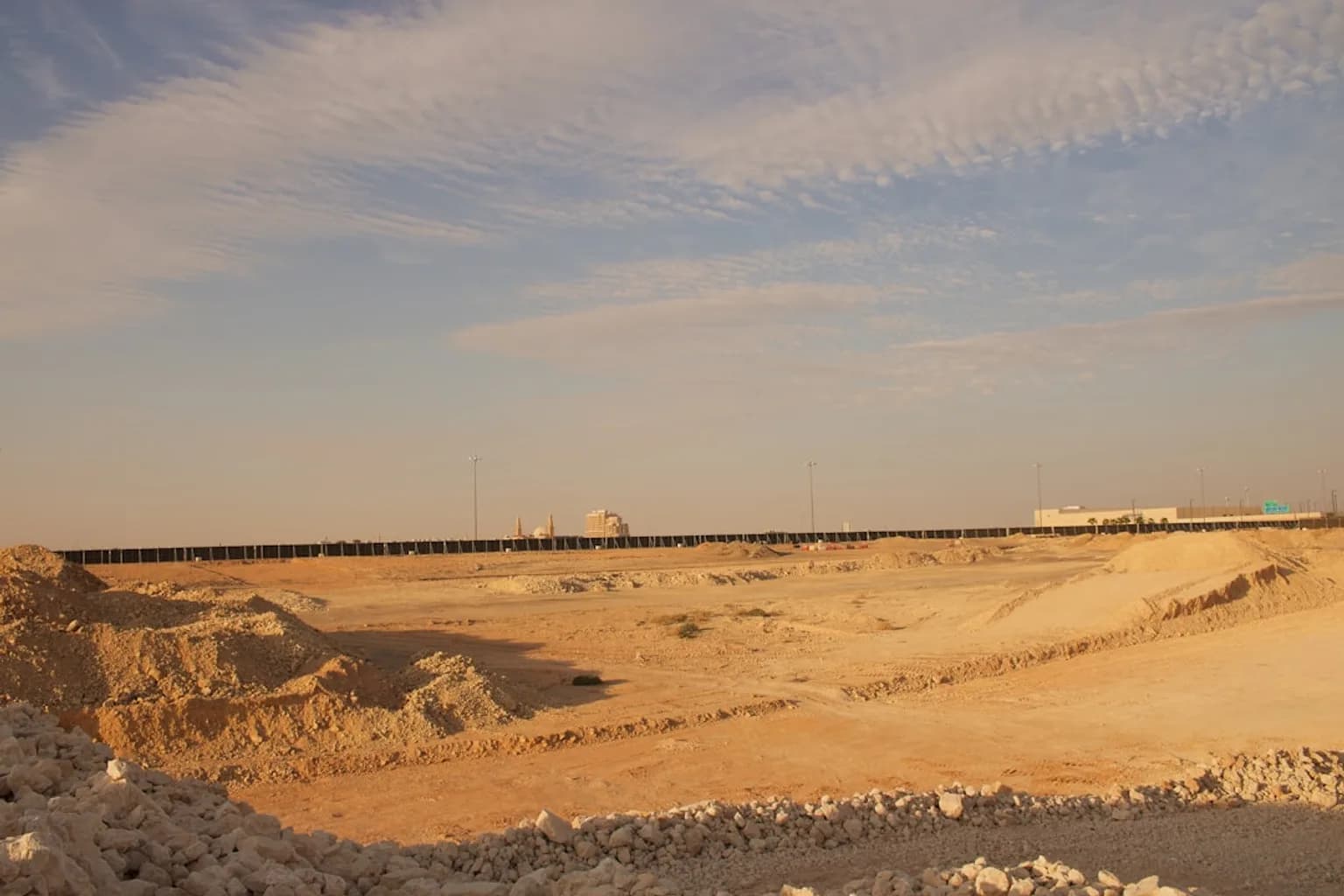
Saudi Arabia's latest oil disruption comes after its production had already fallen to a more than three-decade low. The closure of the East-West pipeline removes a major export route at a time when crude prices have moved above $100 a barrel and storage at Yanbu offers only five to seven days of cover.
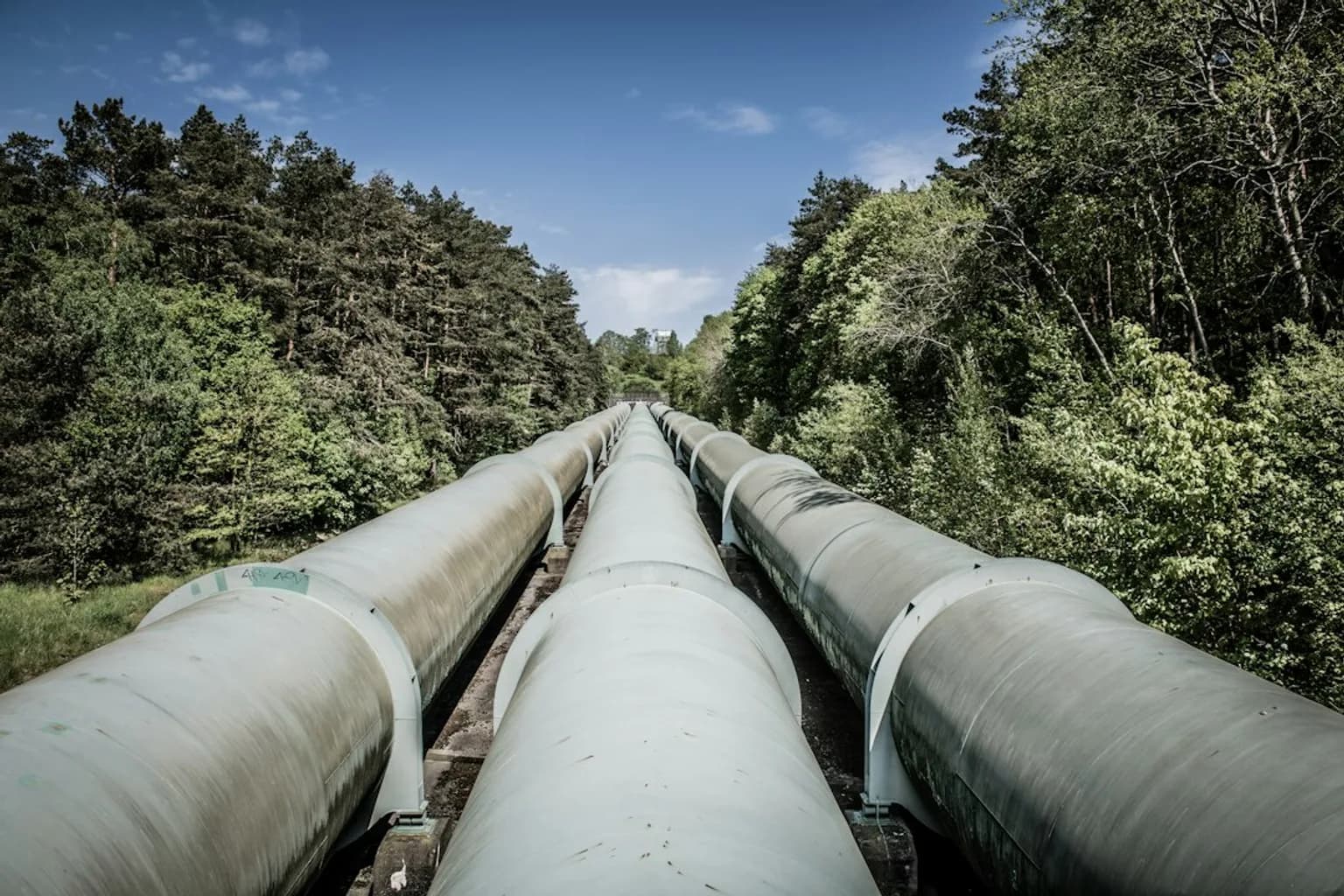
The kingdom shut the 1,200km (745 mile) pipeline on Friday as a precaution after a drone attack on Thursday. Saudi Arabia said the drones were launched from Iraq. Iraq admitted that the attack originated in one of its provinces bordering Iran.
The pipeline has been carrying around 4 million barrels of oil per day to Yanbu, on the Red Sea. That volume is equivalent to around 4% of global oil supply. The route has helped Saudi Arabia, the world's largest crude oil exporter, bypass the Strait of Hormuz.
The East-West pipeline has a capacity of 7 million barrels per day. Its closure leaves Saudi Arabia relying on other arrangements while the extent of the physical damage remains unclear. Satellite images showed scorched ground and smoke near the pipeline site, while satellites detected nine large fires near the route on September 10.
Estimates suggest repairs could take five to six weeks. The timeline remains uncertain. Yanbu currently has enough stocks to keep exports going for only five to seven days at current rates, leaving little room for a prolonged interruption.
The supply loss follows a sharp decline in Saudi output. The International Energy Agency said Saudi oil supply had fallen to a more than three-decade low in August. Saudi Arabia told the Organization of the Petroleum Exporting Countries, known as OPEC, that production fell to 6.2 million barrels per day in August, from 10.9 million bpd in February.
The pipeline shutdown has added to disruption in oil markets during a broader U.S.-Iran conflict now in its seventh month. Houthi forces have tightened their grip on Red Sea shipping, while tanker traffic through the Strait of Hormuz has slowed sharply. Alternative ports could provide some relief, though diverting volumes would require time and logistical changes. Ain Sukhna has 18 million barrel capacity and Sidi Kerir has 20 million barrel capacity.
Crude prices pushed to over $100 a barrel for the first time since July. The average retail price of diesel has surged to a record high of $6 per gallon. The longer-term effect on prices will depend on the duration of the outage, the scope for alternative exports and whether further attacks affect remaining infrastructure.
Iraq fired a military commander and opened an investigation after the attack. Saudi Arabia has chosen not to retaliate at this stage following a call from Iraq's prime minister. The investigation has yet to identify specific actors, and it remains unclear whether regional tensions will intensify.


Comments (0)