
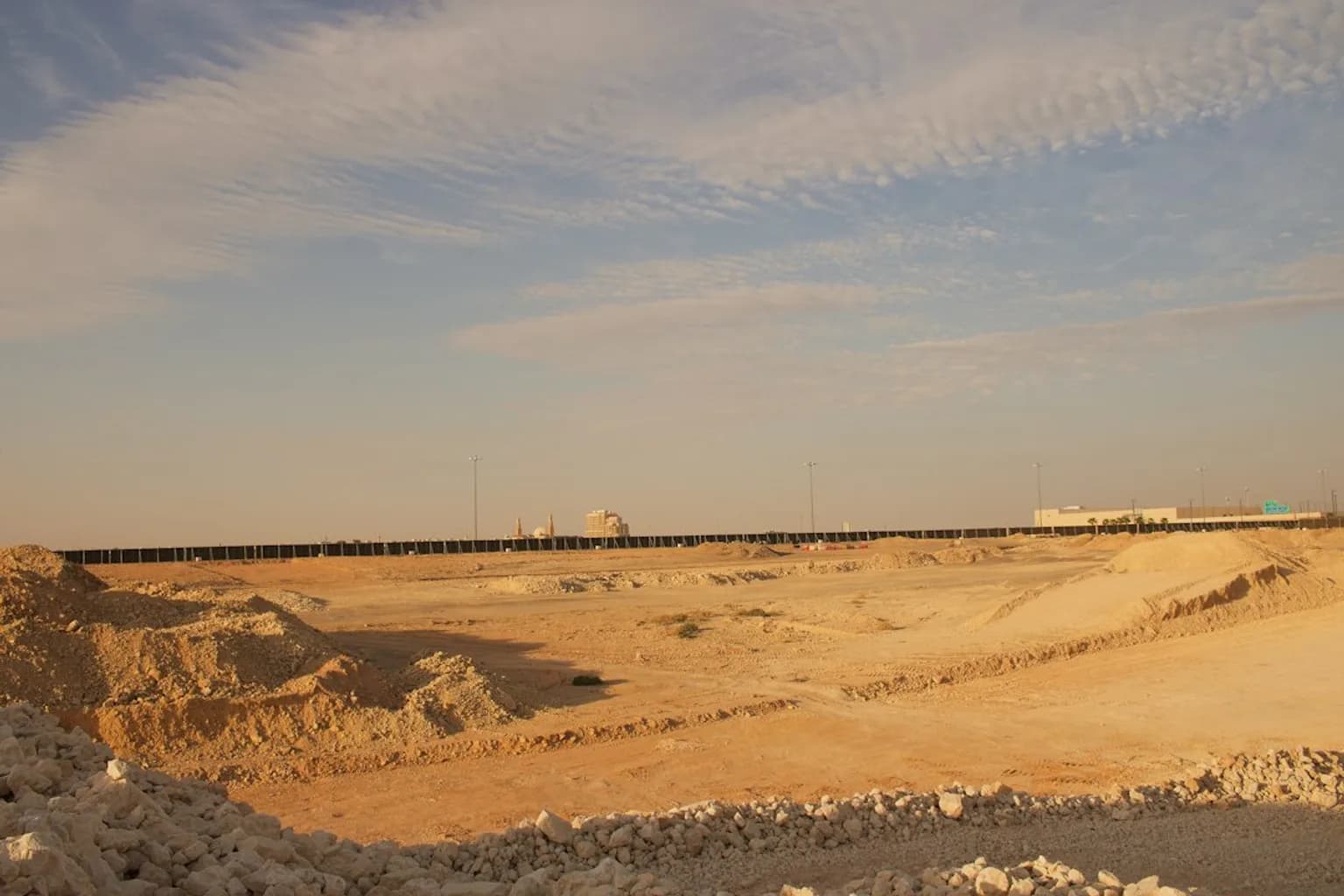
Oil prices fell even as the wider supply picture tightened, after Saudi Arabia said it aimed to restore about half the capacity of its East-West pipeline within days. October WTI crude oil (CLV26) was down -1.79 (-1.750%) on the day of publication. October RBOB gasoline (RBV26) was down -0.0191 (-0.55%).
The Saudi announcement offered a measure of near-term relief after the pipeline was shut last week following drone strikes. The East-West pipeline, which is 750 miles long, carries 7 million bpd of crude. It was closed late last Friday as a precaution after attacks by Houthi rebels.
Saudi Aramco said the closure had delayed oil deliveries to some European customers. Saudi Arabia has not said when the line will return to full capacity. It is also unclear whether a partial restart can be maintained if further attacks occur.
The disruption comes when Saudi oil flows were already markedly lower. Data compiled by Bloomberg, Kpler and Vortexa showed that Saudi Arabia's Aug crude exports dropped to about 3 million bpd, the lowest amount in 9 years. Saudi Arabia said last Thursday that its crude production in August fell to 6.238 million bpd, the lowest since 1990.
Security risks around the region have remained acute. On Tuesday, the Houthis captured a pair of islands near the Bab-al-Mandeb Strait. The identities of the islands were not specified in the available information.
The Saudi outage adds to constraints in Russia, where output and refining have also fallen. Russia's crude production in July was 8.89 million bpd, the lowest in six years, according to secondary source estimates published by OPEC. EA Analytics said Russian crude-processing rates averaged 3.51 million bpd in July, the lowest in 24 years.
Reuters reported on August 28 that Russia's gasoline production fell to about 80,000 tons a day in August, only 70% of domestic demand. The figures point to pressure on refined-product availability as well as on crude supply.
The International Energy Agency raised its estimate for this year's global oil deficit to 1.7 million bpd from last month's 1.3 million bpd estimate. The agency said a global oil surplus would return in 2027, later than its earlier expectation of late 2026.
OPEC's Aug crude production fell by -900,000 bpd to 19.91 million bpd. OPEC has now restored all 1.65 million bpd of the supply cutback it made in 2023. The fall in August output nevertheless coincided with the supply disruption affecting Saudi infrastructure.
Inventory data show a mixed position in the US. US crude oil inventories as of September 11 were +0.8% above the seasonal 5-year average. Gasoline inventories as of September 11 were -4.8% below the seasonal 5-year average, while distillate inventories were -12.8% below the 5-year seasonal average.
US crude oil production in the week ending September 11 fell slightly to 13.944 million bpd. The price decline following Saudi Arabia's pipeline statement therefore sits alongside a market in which the International Energy Agency expects the global deficit to last longer than previously forecast.


Comments (0)